

Choosing the right packaging for freeze dried candy in Canadian retail involves balancing product protection, sustainability, cost, and consumer appeal. Canada’s EPR laws require minimum recyclability, making sustainability a critical packaging criterion. Understanding the 10 major packaging types helps retailers select solutions that enhance product appeal, meet regulatory compliance, and increase sales while aligning with brand values and operational constraints.
Table of Contents
- How To Choose The Right Packaging: Key Selection Criteria
- 1. Mono-Material Packaging
- 2. Fibre-Based Packaging
- 3. Reusable And Refillable Packaging
- 4. Edible Packaging
- 5. Flexible Packaging
- 6. Rigid Packaging: Glass And Metal
- 7. Smart And Interactive Packaging
- 8. Paper-Based Packaging
- 9. Cost And Operational Considerations
- 10. Summary Comparison And Situational Recommendations
- Explore Packaging And Freeze Drying Resources From Spaceman
- Frequently Asked Questions
Key takeaways
| Point | Details |
|---|---|
| Mono-material and fibre packaging lead sustainability | These options exceed 95% recyclability purity and align with Canadian EPR laws |
| Flexible packaging cuts costs up to 50% | Lightweight formats reduce shipping expenses while maintaining moisture barriers |
| Rigid glass and metal elevate premium positioning | Heavier packaging commands higher prices but increases logistics costs |
| Smart packaging boosts engagement by 20% | Interactive features like QR codes drive consumer loyalty and repeat purchases |
| Situational needs determine optimal choices | Match packaging type to brand positioning, volume needs, and budget constraints |
How to choose the right packaging: key selection criteria
Retail business owners face multiple factors when selecting packaging for freeze dried candy and consumer goods. Sustainability and regulatory compliance rank highest because Canada’s EPR laws require minimum recyclability, making eco-friendly options essential to avoid penalties. Product protection requirements include moisture and oxygen barriers that preserve freeze dried candy’s unique texture and flavor during shelf life.
Consumer appeal directly impacts purchase decisions at retail. Packaging design, transparency, and sustainability messaging influence buyer behavior, especially among younger demographics seeking eco-conscious brands. Cost and operational efficiency shape profit margins, with flexible formats often delivering savings versus rigid alternatives.
Innovative features like smart packaging can differentiate brands but remain secondary to core functionality. Balance these criteria based on your brand positioning, target market, and operational scale. Understanding Canadian packaging compliance standards ensures your choices meet legal requirements while supporting business growth.
Pro Tip: Prioritize moisture barrier performance for freeze dried candy above visual appeal to prevent product degradation that damages customer satisfaction and repeat sales.
1. Mono-material packaging
Mono-material packaging uses a single recyclable material like PET plastic or paper, eliminating complex separation during recycling. This design choice increases recyclability by improving recovery purity typically above 95%, minimizing contamination in municipal recycling streams. Canadian retailers benefit from clear compliance with EPR laws while appealing to environmentally conscious consumers.
The single-material construction simplifies waste management for both retailers and end consumers. Mono-material plastic packaging options maintain necessary moisture barriers for freeze dried products without compromising recyclability. Supply chains for mono-material formats have matured, offering reliable sourcing at competitive prices.
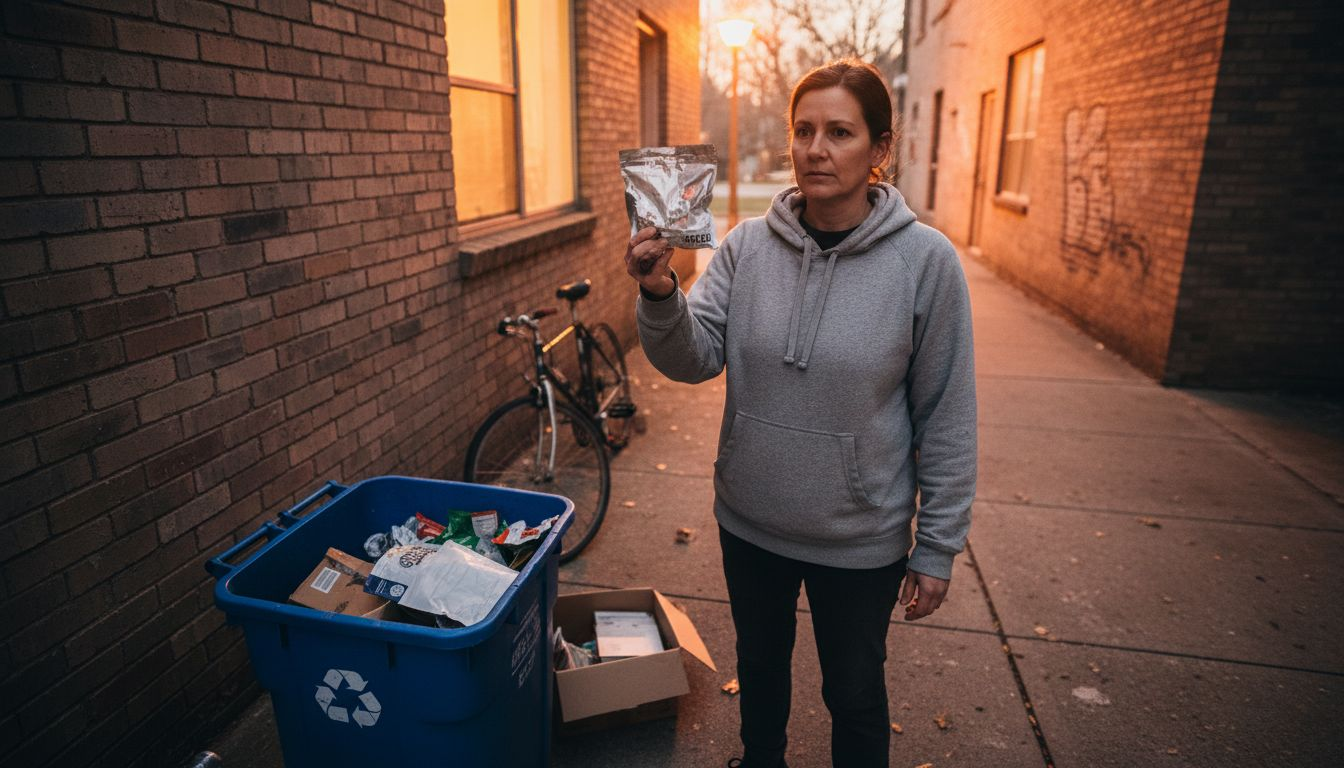
Brands seeking sustainability credentials without sacrificing product protection find mono-material solutions ideal. The format supports various printing techniques for vibrant branding while meeting circular economy principles. Consider eco-friendly mono-material packaging when sustainability messaging forms a core part of your brand identity.
Pro Tip: Choose mono-material films specifically engineered with moisture barriers rather than standard recyclable films to maintain freeze dried candy quality throughout distribution.
2. Fibre-based packaging
Fibre-based packaging encompasses paper, corrugated cardboard, and molded fibre solutions that offer strong sustainability profiles. These materials are highly recyclable and biodegradable, reinforcing eco-conscious branding that resonates with Canadian consumers. The fibre-based packaging market projected to grow to $737 billion by 2030 reflects accelerating global adoption driven by circular economy principles.
Retailers of frozen and shelf-stable goods find fibre packaging well-suited for outer containers and secondary packaging. The material accepts high-quality printing for compelling brand storytelling and product information display. Growing consumer demand for sustainable packaging makes fibre options increasingly attractive for competitive differentiation.
Paper and fibre packaging options work particularly well when combined with inner moisture barriers for freeze dried candy. This dual-layer approach balances environmental responsibility with product protection requirements. Supply chains for fibre packaging are well-established across Canada, ensuring reliable availability and competitive pricing for retailers at various scales.
3. Reusable and refillable packaging
Reusable and refillable packaging systems include returnable containers and refill pouches that customers use multiple times. Reusable packaging reduces single-use plastic waste significantly, positioning brands as sustainability leaders in competitive retail markets. This approach decreases packaging waste footprint while building customer loyalty through repeated brand interactions.
Consumer preference for reusable options trends upward, especially among younger demographics prioritizing environmental impact. Implementing refill systems requires initial investment in durable containers but delivers long-term cost savings and brand differentiation. Reusable packaging for sustainable candy brands works best when integrated with convenient refill station programs or mail-back systems.
The format suits premium positioning where customers value quality and sustainability enough to participate in return programs. Retailers benefit from enhanced customer relationships and data collection opportunities through refill tracking. Operational considerations include reverse logistics management and container sanitization protocols.
Pro Tip: Consider refill pouches as accessories to core packaging rather than complete replacements, allowing customers to choose convenience levels while reducing overall waste.
4. Edible packaging
Edible packaging uses biodegradable, consumable materials that eliminate waste entirely after product consumption. The edible packaging market projected to grow at CAGR 6.37% from 2026 to 2034 signals increasing retailer and consumer interest in zero-waste solutions. This innovative format adds unique novelty and engagement specifically suited to confections like freeze dried candy.
The packaging becomes part of the product experience rather than disposal burden. Brands leverage edible packaging for powerful sustainability storytelling and social media shareability that drives organic marketing. Innovative edible packaging for candy works ideally for single-serve, on-the-go snack formats targeting experience-seeking consumers.
Current edible packaging materials include seaweed derivatives, rice paper, and fruit-based films. These options provide basic moisture protection suitable for immediate consumption products rather than long shelf-life applications. Retailers positioning around innovation and sustainability leadership find edible packaging creates memorable differentiation in crowded candy markets.
5. Flexible packaging
Flexible packaging formats like pouches and films dominate freeze dried candy applications due to lightweight construction and excellent moisture resistance. Flexible packaging accounts for over 30% of global market share, offering protection and cost savings that support profitable retail operations. This category delivers up to 50% cost reductions versus rigid alternatives while maintaining product integrity.
The lightweight nature reduces shipping expenses significantly, improving margins for volume-focused retailers. Flexible packaging benefits for freeze dried candy include excellent oxygen and moisture barriers that preserve texture and flavor throughout distribution. Well-established supply chains facilitate scalability from small batch production to high-volume manufacturing.
| Packaging Type | Cost per Unit | Protection Level | Weight Impact |
|---|---|---|---|
| Flexible pouch | Low | High | Minimal |
| Rigid container | High | Very High | Significant |
| Paper carton | Medium | Medium | Moderate |
Consumer convenience features like resealable zippers enhance user experience without substantial cost increases. The format accepts high-quality printing for vibrant shelf appeal while supporting various sizes from single-serve to family packs. Retailers benefit from efficient storage and display density that maximizes retail space utilization.
6. Rigid packaging: glass and metal
Glass jars and metal tins provide premium rigid packaging that conveys quality and protects freeze dried products exceptionally well. These formats offer excellent product protection and upscale appearance ideal for premium freeze dried candy lines justifying higher retail prices. Durability supports prolonged shelf life and maintains product freshness through superior barrier properties.
The substantial weight increases shipping and handling costs significantly, with glass packaging weighing up to 20 times more than flexible packaging. This trade-off suits brands prioritizing prestige over logistics efficiency. Rigid packaging options for premium candy work best for gift-oriented products and specialty retail channels where presentation drives purchase decisions.
Metal tins offer reusability that extends brand presence in customer homes after product consumption. Glass containers provide transparency that showcases product quality while supporting premium positioning. Both formats accept sophisticated labeling and decoration techniques that enhance perceived value and justify premium pricing strategies in competitive markets.
7. Smart and interactive packaging
Smart packaging integrates technology like QR codes, NFC tags, and augmented reality overlays that transform passive containers into engagement platforms. Smart packaging can lead to up to 20% higher consumer engagement through interactive features connecting customers with brand stories and product information. This approach facilitates direct communication channels that support loyalty programs and feedback collection.
Retailers use smart features to provide recipes, sourcing transparency, and authentication verification that builds trust. The technology complements core packaging materials rather than replacing them, adding differentiation without compromising protection. Smart packaging for enhanced branding works particularly well for brands targeting tech-savvy consumers who value digital interaction.
Implementation costs have decreased significantly, making smart features accessible for mid-size retailers beyond enterprise brands. QR codes offer the most cost-effective entry point while NFC tags enable seamless smartphone interaction. The data collected through smart packaging interactions provides valuable consumer insights that inform product development and marketing strategies.
8. Paper-based packaging
Paper-based packaging accelerates adoption as retailers seek better recyclability and biodegradable properties than plastic alternatives. Paper packaging growth outpaces plastic alternatives by 12% annually driven by sustainability demands from consumers and regulators. This format enhances brand sustainability image while meeting Canadian EPR requirements effectively.
The material supports circular economy principles strongly through established recycling infrastructure across Canada. Paper-based packaging for freeze dried candy offers versatile printing and design options that create compelling shelf presence. Growing preference among eco-conscious consumers makes paper formats increasingly competitive against traditional plastic packaging.
Modern paper packaging incorporates moisture barriers through coatings or laminations that protect freeze dried products adequately. Supply reliability and competitive pricing support operational scalability for retailers planning growth. The format balances environmental responsibility with functional performance requirements that maintain product quality throughout distribution channels.
9. Cost and operational considerations
Packaging cost structures vary dramatically across types, directly impacting retail profitability and operational complexity. Flexible packaging costs up to 50% less per unit than rigid containers, significantly benefiting retailers with volume constraints or tight margin requirements. Glass and metal rigidity increases shipping weight and associated logistics expenses that must be factored into total cost calculations.
Mono-material packaging reduces recycling contamination and operational complexity for waste management compliance. Supply chain reliability varies by packaging type, with flexible and paper formats offering mature, stable sourcing versus emerging options like edible packaging. Operational challenges in freeze dried candy packaging include balancing protection requirements with cost constraints and regulatory compliance.
| Consideration | Flexible | Rigid | Fibre |
|---|---|---|---|
| Unit cost | Low | High | Medium |
| Shipping weight | Minimal | Heavy | Moderate |
| Supply stability | Excellent | Good | Excellent |
| Scalability | Easy | Moderate | Easy |
Operational efficiency includes storage density, handling requirements, and filling line compatibility. Flexible packaging maximizes warehouse utilization while rigid formats require more space per unit. Labor costs for packing operations vary, with automated-friendly formats reducing manual handling expenses.
Pro Tip: Balance brand impact requirements with operational cost realities by testing multiple packaging types in limited releases before committing to large inventory purchases.
10. Summary comparison and situational recommendations
Selecting optimal packaging requires matching material characteristics to specific retail needs and brand positioning. Small-scale retailers benefit from flexible packaging’s low minimums and cost efficiency. Eco-conscious brands should prioritize mono-material or fibre options that deliver clear sustainability messaging and regulatory compliance.
| Packaging Type | Cost | Sustainability | Durability | Branding Impact |
|---|---|---|---|---|
| Mono-material | Medium | Excellent | Good | Moderate |
| Fibre-based | Medium | Excellent | Moderate | Good |
| Reusable | High | Outstanding | Excellent | High |
| Edible | High | Outstanding | Low | Very High |
| Flexible | Low | Moderate | Good | Moderate |
| Rigid glass/metal | High | Moderate | Excellent | Very High |
| Smart packaging | Medium | Varies | Varies | High |
| Paper-based | Medium | Excellent | Moderate | Good |
Premium brands justify rigid glass or metal packaging investment through elevated positioning and higher price points. High-volume operations achieve best margins with flexible formats that reduce per-unit costs and shipping expenses. Packaging options comparison and recommendations help retailers align choices with Canadian regulatory expectations and consumer preferences.
Situational factors like distribution channels, storage conditions, and target demographics influence final decisions. Test multiple options in market before scaling to validate consumer response and operational fit. Balance innovation with proven formats that minimize risk while supporting growth objectives.
Explore packaging and freeze drying resources from Spaceman
Connecting optimal packaging selections with quality freeze drying processes maximizes retail product success. Spaceman offers comprehensive expertise in both domains, helping Canadian retailers select equipment and techniques that complement packaging strategies.
Explore detailed guides on what machine to freeze dry candy to understand production requirements that influence packaging decisions. Review packaging types for freeze dried candy for deeper dives into format-specific considerations. Our private labeling and co-packing services integrate packaging solutions with production capabilities, supporting retailers from concept through distribution.
Frequently asked questions
What is the most sustainable packaging type for freeze dried candy?
Mono-material and fibre-based packaging offer the highest recyclability rates, exceeding 95% purity in recycling streams. These options reduce contamination while meeting Canadian EPR standards effectively. Consumer preference increasingly favors these eco-friendly formats that support circular economy principles.
Are flexible packaging options cost-effective compared to rigid containers?
Flexible packaging reduces unit costs by up to 50% versus glass or metal alternatives while maintaining excellent product protection. The lightweight construction cuts shipping expenses significantly, improving margins for volume-focused retailers. Storage efficiency and automated filling compatibility further enhance operational cost advantages.
Which packaging type best enhances brand perception for premium freeze dried products?
Glass jars and metal tins convey luxury and quality that justify premium pricing strategies effectively. These rigid formats maintain product freshness through superior barrier properties while creating memorable unboxing experiences. The substantial feel and visual appeal support positioning in specialty retail and gift markets.
How do Canadian regulations influence packaging selection for retail candy?
Canadian EPR laws mandate specific recyclability standards that require careful material selection to avoid compliance penalties. Retailers must choose packaging meeting these requirements while balancing cost and protection needs. Mono-material, fibre, and paper-based options most readily satisfy regulatory expectations while supporting sustainability messaging.
Recommended
- 5 Types of Packaging to Boost Freeze Dried Candy Sales – Spaceman
- 7 Types of Plastic Packaging for Freeze-Dried Candy – Spaceman
- Freeze-Dried Candy Packaging Ideas 2026: 25% Sales Boost – Spaceman
- 7 Packaging Paper Types for Better Freeze-Dried Candy Sales – Spaceman
- How to Store Dry Dog Food to Keep It Fresh in 3 Easy Steps