

Finding new ways to stand out on Canadian shelves is a challenge every retail and e-commerce manager in the candy sector faces. With packaging acting as more than just a protective layer, food packaging branding transforms each product into a silent brand ambassador that shapes consumer perceptions and purchase decisions. This article explores how visual design, regulatory compliance, and innovative trends can help Canadian candy brands enhance their product appeal while meeting evolving consumer expectations.
Table of Contents
- What Is Food Packaging Branding?
- Key Types In Candy Sector Packaging
- Design Elements That Drive Consumer Choice
- Regulatory Compliance For Canadian Candy Brands
- Innovative Trends In Packaging For 2026
- Cost, Risks, And Common Branding Mistakes
Key Takeaways
| Point | Details |
|---|---|
| Importance of Food Packaging Branding | Food packaging serves as a vital marketing tool that influences consumer perceptions and purchasing decisions. Effective branding elements create a holistic brand experience that communicates value instantly. |
| Regulatory Compliance for Candy Brands | Canadian candy brands must adhere to comprehensive regulations regarding labeling, safety standards, and legal documentation to ensure consumer safety and maintain trust. |
| Emerging Packaging Trends for 2026 | Brands should focus on sustainable materials and digital integration to create engaging packaging experiences while appealing to eco-conscious consumers. |
| Avoid Common Packaging Mistakes | Businesses must treat packaging as a strategic investment to avoid costly branding errors and ensure effective differentiation in a competitive market. |
What Is Food Packaging Branding?
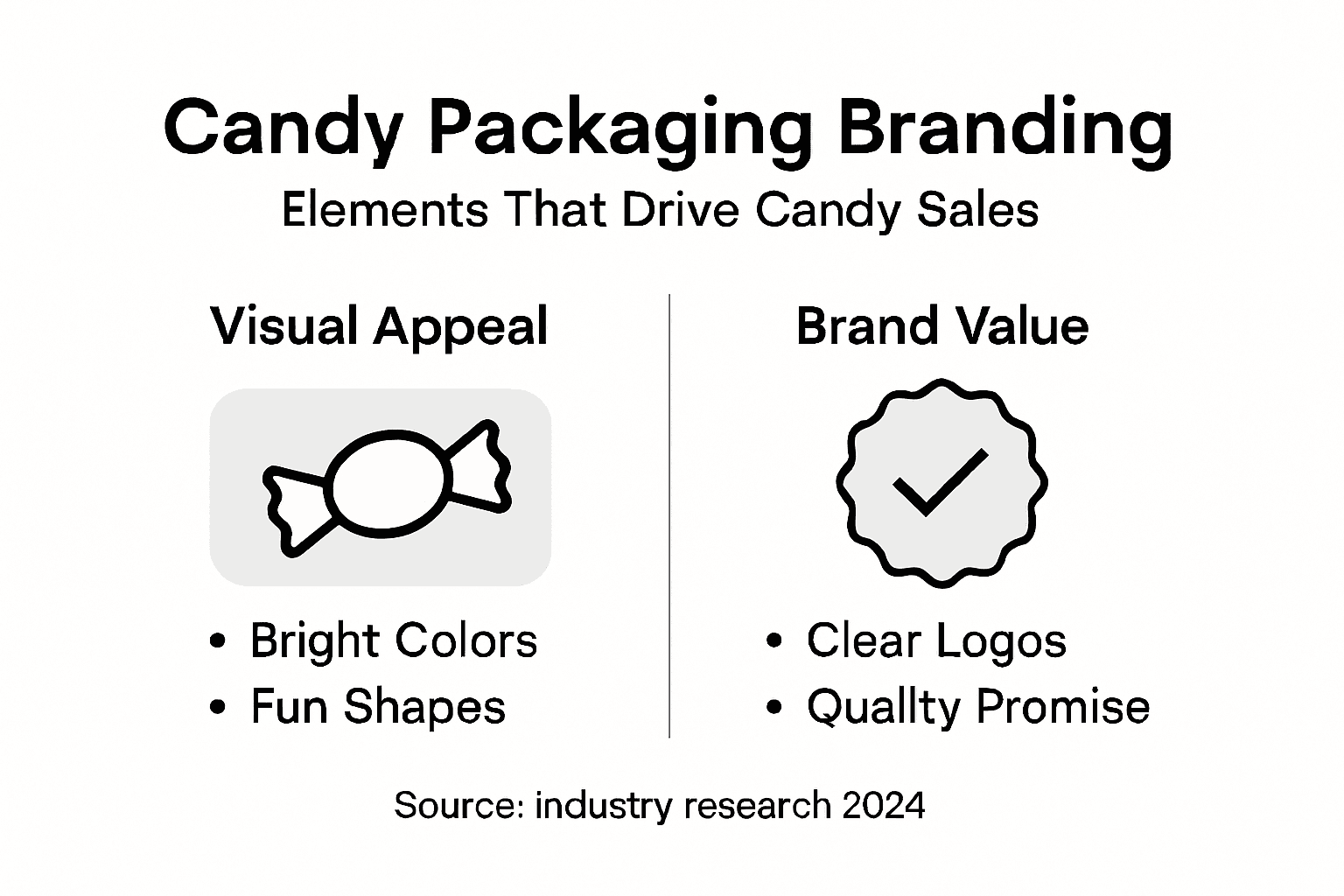
Food packaging branding is a strategic marketing approach that transforms product containers into powerful communication tools. More than just protective shells, these packages serve as silent brand ambassadors that speak directly to consumers’ emotions and purchasing decisions. Visual design elements in packaging play a critical role in shaping consumer perceptions and brand recognition.
At its core, food packaging branding encompasses several key components:
- Visual design and aesthetic appeal
- Brand logo and color scheme
- Typography and messaging
- Product information and labeling
- Emotional and psychological triggers
These elements work together to create a holistic brand experience that goes far beyond simple product containment. Effective packaging communicates product quality, brand values, and unique selling propositions in mere seconds. Consumer attitudes toward food products are significantly influenced by how brands present themselves through packaging design.
Brands must consider multiple factors when developing their packaging strategy, including target demographic, product positioning, and cultural nuances. The right packaging can differentiate a product in a crowded marketplace, build consumer trust, and ultimately drive purchasing decisions.
Pro tip: Invest in packaging design that tells a story and connects emotionally with your target audience, not just a container that holds your product.
Key Types In Candy Sector Packaging
Candy packaging represents a sophisticated world of design and functionality, with multiple types serving distinct purposes in the confectionery market. Packaging formats in confectionery range from individual wrappers to complex multi-piece solutions, each tailored to specific product requirements and consumer preferences.
The primary types of candy packaging include:
-
Individual Piece Wrappers:
- Heat-sealed protective wraps
- Flow wrap designs
- Single-piece protection
-
Multi-Piece Packaging:
- Flexible pouches
- Resealable bags
- Variety pack containers
-
Premium Packaging:
- Gift boxes
- Two-piece rigid containers
- Decorative presentation packaging
Protective packaging materials play a crucial role in maintaining candy quality. These packaging types are designed not just for aesthetic appeal, but to protect against moisture, oxygen exposure, and physical damage. Each format serves multiple functions: preservation, branding, consumer convenience, and product differentiation.
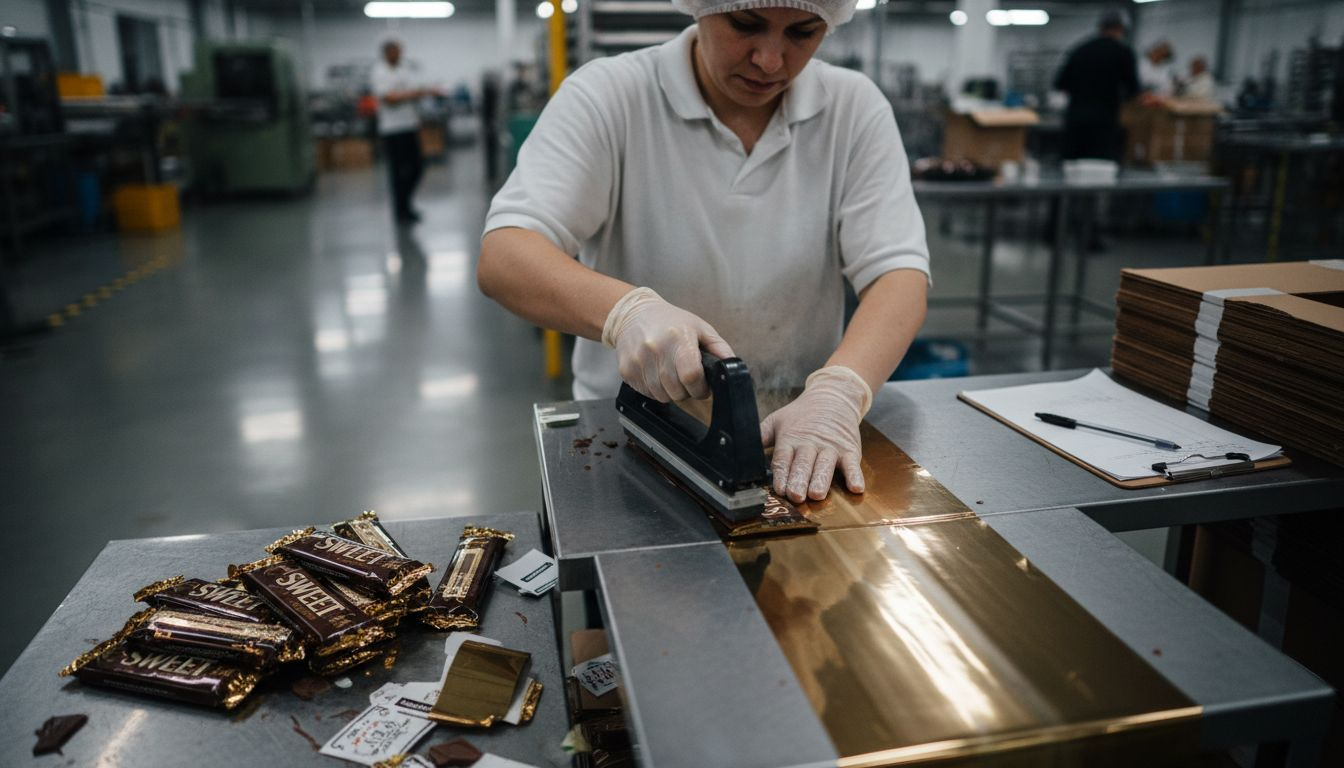
Modern candy packaging goes beyond mere containment, functioning as a critical marketing tool. Businesses must carefully select packaging that reflects brand identity, appeals to target demographics, and meets practical preservation requirements. The right packaging can transform a simple candy into a compelling product that stands out on crowded retail shelves.
Here’s a comparison of major candy packaging types and their primary business impacts:
| Packaging Type | Shelf Impact | Consumer Experience | Operational Considerations |
|---|---|---|---|
| Individual Wrappers | High visual diversity | Single-serve convenience | Fast packing, smaller shipping units |
| Multi-Piece Packaging | Strong brand grouping | Sharing and portion control | Efficient bulk shipping, resealability |
| Premium Gift Packaging | Distinct luxury appeal | Memorable gifting moment | Higher costs, seasonal demand |
Pro tip: Choose packaging that balances visual appeal, product protection, and brand storytelling to maximize consumer engagement.
Design Elements That Drive Consumer Choice
Visual design elements in food packaging are critical strategic tools that directly influence consumer purchasing behavior. These design components work together to create an immediate emotional and psychological connection with potential buyers, transforming packaging from a simple containment solution into a powerful marketing instrument.
Key design elements that significantly impact consumer choice include:
-
Color Psychology:
- Warm colors (red, orange) trigger excitement
- Cool colors (blue, green) suggest calmness and trust
- Color intensity affects perceived product value
-
Typography and Messaging:
- Font style communicates brand personality
- Clear, readable text builds consumer confidence
- Strategic word placement guides consumer attention
-
Imagery and Graphics:
- High-quality visuals create sensory appeal
- Product images increase perceived authenticity
- Illustrations can evoke nostalgic or playful emotions
Packaging design attributes serve multiple strategic purposes beyond aesthetic appeal. They communicate product benefits, build brand identity, and create an immediate visual narrative that can differentiate a product in a crowded marketplace. The right combination of design elements can transform an ordinary candy into an irresistible impulse purchase.
Successful packaging design requires a holistic approach that balances visual attractiveness with clear communication. Brands must understand their target audience’s preferences, cultural nuances, and emotional triggers to create packaging that not only catches the eye but also tells a compelling brand story.
Pro tip: Conduct regular consumer focus groups to test packaging design elements and understand their emotional and psychological impact.
Regulatory Compliance For Canadian Candy Brands
Canadian candy brands must navigate a complex landscape of federal packaging regulations to ensure legal compliance and consumer safety. These regulations are comprehensive, covering multiple aspects of food production, packaging, and marketing that directly impact how candies are manufactured, labeled, and distributed across the country.
Key regulatory requirements for Canadian candy brands include:
-
Labeling Compliance:
- Mandatory bilingual labeling (English and French)
- Clear ingredient lists
- Prominent allergen declarations
- Accurate nutritional information
-
Packaging Safety Standards:
- Food-grade material requirements
- Protection against contamination
- Preservation of product quality
- Tamper-evident packaging
-
Legal Documentation:
- Safe Food for Canadians Act (SFCA) adherence
- Food and Drugs Act compliance
- Net quantity declaration
- Manufacturer contact information
Consumer Packaging and Labelling Regulations provide detailed guidelines that Canadian candy manufacturers must follow meticulously. These regulations are designed to protect consumers by ensuring transparency, preventing misleading claims, and maintaining high standards of food safety and information disclosure.
Successful compliance requires a proactive approach. Candy brands must stay updated on evolving regulations, invest in proper labeling technologies, and develop robust quality control processes that meet or exceed government standards. Understanding these requirements is not just about legal adherence but also about building consumer trust and maintaining a reputation for quality and reliability.
Pro tip: Consult with a regulatory compliance expert annually to ensure your packaging meets the latest Canadian food safety and labeling requirements.
Innovative Trends In Packaging For 2026
Packaging design trends are rapidly evolving, driven by technological innovation and growing environmental consciousness. Candy brands must adapt to these emerging trends to remain competitive and resonate with modern consumers who increasingly prioritize sustainability, digital interaction, and meaningful brand experiences.
Key innovative packaging trends for 2026 include:
-
Sustainable Materials:
- Biodegradable seaweed-based films
- Mono-material packaging solutions
- Compostable wrapper designs
-
Digital Integration:
- Interactive QR code experiences
- Augmented reality packaging
- Personalized digital content
-
Circular Design Principles:
- Reusable packaging systems
- Easy recyclability
- Reduced single-use waste
Advanced packaging technologies are transforming how brands communicate with consumers. Smart packaging solutions now offer immersive storytelling platforms that extend far beyond traditional product containment, creating multi-sensory brand interactions that engage customers on deeper emotional and technological levels.
Successful candy brands will leverage these innovations strategically, balancing cutting-edge design with practical functionality. By embracing sustainable materials, digital interactivity, and consumer-centric packaging approaches, companies can differentiate themselves in an increasingly competitive marketplace.
Below is a summary of innovative 2026 packaging trends and their strategic advantages:
| Trend | Consumer Benefit | Brand Advantage | Environmental Impact |
|---|---|---|---|
| Sustainable Materials | Healthier, eco-conscious choices | Increased brand trust | Reduced landfill waste |
| Digital Integration | Interactive product experience | Enhanced engagement, data collection | Encourages recycling via digital tools |
| Circular Design | Reusable and recyclable options | Loyalty through sustainability | Minimizes resource consumption |
Pro tip: Invest in packaging technologies that tell a compelling brand story while demonstrating genuine environmental commitment.
Cost, Risks, And Common Branding Mistakes
Packaging branding mistakes can significantly impact a candy brand’s market performance and financial health. Understanding these potential pitfalls is crucial for businesses looking to develop strategic, cost-effective packaging solutions that resonate with consumers and protect their bottom line.
Common branding and packaging mistakes include:
-
Design and Branding Errors:
- Inconsistent brand messaging
- Unappealing visual aesthetics
- Failure to differentiate from competitors
-
Functional Packaging Problems:
- Inadequate product protection
- Poor durability and structural integrity
- Inefficient shipping and transportation design
-
Strategic Missteps:
- Treating packaging as an afterthought
- Ignoring sustainability expectations
- Misalignment between marketing and packaging teams
Costly packaging errors often stem from a lack of comprehensive planning and interdepartmental coordination. These mistakes can lead to increased operational expenses, diminished brand credibility, and lost sales opportunities that far outweigh the initial investment in thoughtful packaging design.
Successful candy brands approach packaging as a strategic investment, carefully balancing aesthetic appeal, functional requirements, and cost-effectiveness. By anticipating potential risks and implementing rigorous design and testing processes, companies can develop packaging solutions that protect their products, delight consumers, and support long-term business growth.
Pro tip: Conduct comprehensive packaging audits quarterly to identify and mitigate potential design, functional, and strategic risks.
Elevate Your Candy Brand with Strategic Packaging and Freeze Dried Candy Solutions
Struggling to find packaging that truly tells your candy brand’s story and drives sales? The article highlights the importance of food packaging branding and how design elements create emotional connections that influence consumer choices. At Spaceman, we understand that your packaging must balance visual appeal, product protection, and brand storytelling to stand out in a competitive market. Whether you need bulk unbranded options or wholesale treats ready for private labeling, we offer flexible freeze dried candy and packaging services tailored to your needs.
Discover how our premium freeze dried candy ranges can become the perfect canvas for your brand identity by exploring our Bulk Unbranded Freeze Dried Candy & Treats – Spaceman and Wholesale Freeze Dried Candy & Treats – Spaceman. Visit https://space-man.ca today to boost your candy sales with packaging that captivates and products that deliver. Act now to transform your candy business with packaging designed for success.
Frequently Asked Questions
What is food packaging branding?
Food packaging branding is a marketing strategy that uses packaging as a communication tool to enhance brand identity and influence consumer purchasing decisions. It includes visual design, branding elements, and messaging to create an emotional connection with consumers.
How does visual design in packaging influence consumer choices?
Visual design elements, such as color, typography, and imagery, significantly impact consumer choices by evoking emotions and conveying brand identity. Effective design creates immediate connections, making products more appealing and memorable.
What are the common mistakes in candy packaging branding?
Common mistakes in candy packaging branding include inconsistent messaging, lack of visual appeal, inadequate product protection, and failure to meet sustainability expectations. These errors can undermine brand credibility and affect sales negatively.
How can brands ensure compliance with packaging regulations?
Brands can ensure compliance with packaging regulations by staying updated on the latest legal requirements, investing in proper labeling technologies, and developing robust quality control processes. Consulting with regulatory experts can also help maintain adherence to safety standards.
Recommended
- Understanding Sustainable Candy Packaging: Key Concepts – Spaceman
- 7 Essential Packaging Materials Every Candy Business Needs – Spaceman
- Custom Candy Packaging Wholesale: Boosting Brand Growth – Spaceman
- 7 Essential Types of Food Packaging for Candy Businesses – Spaceman
- The Essential Guide to Food Presentation Importance