

Picture this: a customer picks up your candy, wrestles with the wrapper for 30 seconds, and puts it back on the shelf. That moment of frustration costs you a sale, and it happens more often than most retailers realize. Packaging is no longer just a protective layer around your product. It is a silent salesperson working 24 hours a day on your shelf. For Canadian candy shop owners and retail businesses, understanding and adopting the latest packaging innovations is one of the fastest ways to boost visibility, reduce returns, and turn browsers into buyers.
Table of Contents
- The evolution of candy packaging: More than just the wrapper
- Top packaging innovations transforming candy retail
- Enhancing consumer appeal: Multisensory and interactive packaging
- Eco-conscious packaging: Win the hearts (and wallets) of sustainability-minded shoppers
- Practical steps: How to implement innovative candy packaging in your business
- Take your Canadian candy packaging to the next level
- Frequently asked questions
Key Takeaways
| Point | Details |
|---|---|
| Smart packaging for value boost | Technologies like NFC sensors and mono-material blisters improve product freshness and shelf appeal for Canadian candy. |
| Eco-packaging drives sales | Sustainable and pro-ecological packaging now directly influences shopper intent and positive brand perception. |
| Multisensory designs matter | Using packaging elements that engage touch, sight, and scent can increase perceived quality and willingness to pay. |
| Practical implementation | Start with affordable innovations like resealable and recyclable packaging, then track results before scaling up. |
The evolution of candy packaging: More than just the wrapper
Candy packaging has come a long way from simple wax paper twists and cellophane bags. Today, it sits at the intersection of branding, consumer psychology, food safety, and sustainability. The wrapper is often the first physical interaction a customer has with your product, and that interaction shapes everything from perceived quality to repeat purchase behavior.
For retailers, the stakes are real. Packaging that is hard to open, difficult to reseal, or visually forgettable leaves money on the table. Strong candy packaging solutions do the opposite: they communicate value instantly, protect product integrity, and create a memorable brand moment.
The industry has taken notice. Chupa Chups launched a campaign featuring intentionally impossible-to-open lollipops to highlight their new easier-to-unwrap packaging, directly addressing the frustration consumers feel with multi-layer twisted and heat-sealed wrappers. It was a bold move that made the problem impossible to ignore.
Here is what modern packaging must balance:
- Ease of use: Consumers expect to open packaging without tools or effort
- Tamper resistance: Regulatory and safety requirements still apply, especially in Canada
- Brand storytelling: Every surface is an opportunity to communicate your identity
- Shelf appeal: Packaging must compete visually in a crowded retail environment
- Sustainability: Eco-conscious shoppers are paying attention to materials
“Packaging is the last five seconds of marketing.” This quote, often attributed to retail strategists, captures exactly why food packaging branding deserves serious investment from candy retailers of every size.
Now that we have set the scene for why packaging matters, let us break down the most impactful innovations that are winning shelf space and customer attention.
Top packaging innovations transforming candy retail
The candy packaging landscape in 2026 is defined by three major forces: smart technology, sustainable materials, and consumer-first convenience design. Each of these opens real opportunities for Canadian retailers willing to move beyond the basics.
Here are the top innovations reshaping the category:
- Smart packaging with NFC and RFID sensors: These embedded chips allow customers to scan packaging with a smartphone to verify freshness, check ingredients, or access brand content. Blister packaging innovations now include smart features like embedded NFC/RFID sensors for freshness tracking, alongside mono-material PET for recyclability and bio-based PLA films.
- Mono-material recyclable films: Single-material pouches and wrappers are easier to recycle than multi-layer laminates. They reduce environmental impact without sacrificing barrier protection.
- Resealable pouches: Zip-lock and press-to-close formats extend product freshness and encourage larger purchase sizes. Customers love the convenience, and retailers benefit from fewer complaints about stale product.
- Compostable films: Made from plant-based materials, these are gaining traction with eco-conscious shoppers and align with Canada’s growing push toward sustainable retail.
- Custom-printed shrink sleeves and labels: Full-wrap printing turns every angle of a package into branded real estate, making products pop on shelf without expensive custom molds.
Here is a quick comparison to help you evaluate which innovation fits your business:
| Innovation | Upfront cost | Consumer impact | Best for |
|---|---|---|---|
| Resealable pouches | Low | High convenience | Everyday candy, bulk items |
| Mono-material films | Medium | Strong eco appeal | Sustainability-focused brands |
| NFC/RFID smart packs | High | Premium experience | Specialty or high-value products |
| Compostable films | Medium | Eco differentiation | Boutique and artisan shops |
| Custom shrink sleeves | Low to medium | Strong shelf presence | Private label and seasonal lines |
Pro Tip: Start with resealable pouches or custom-printed labels before investing in smart packaging. These types of food packaging deliver visible ROI quickly and carry low risk for small batch testing. Once you see the sales lift, you can justify the next investment.
Exploring packaging pouches for candy in more detail can help you match the right format to your product line before committing to a supplier.
With these new technologies in mind, design choices go far beyond material. They shape perception and drive purchase. This brings us to the role of multisensory packaging.
Enhancing consumer appeal: Multisensory and interactive packaging
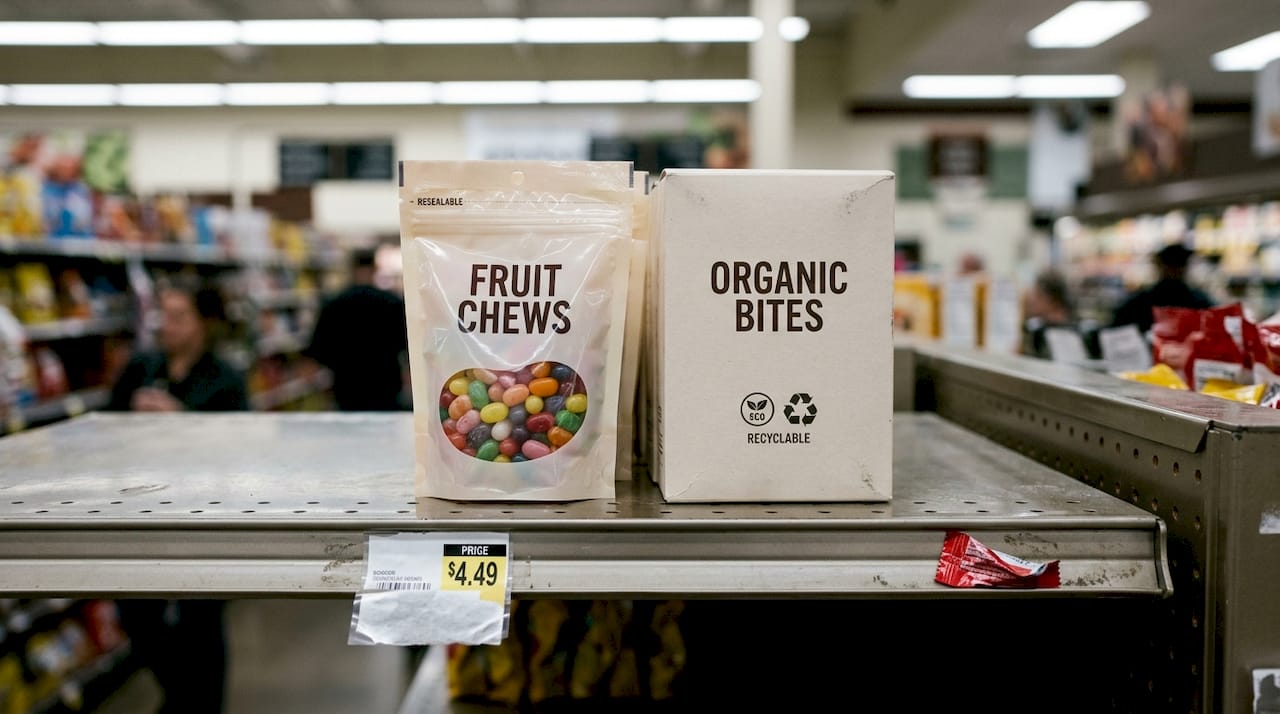
Here is something that surprises most retailers: the packaging does not just hold the candy. It actually changes how the candy tastes. Research published in Nature Scientific Reports confirms that multisensory packaging elements including color, texture, scent, and unboxing mechanics influence chocolate taste perception, emotional responses, and willingness to pay. Scent, for example, enhances luxury perception but can reduce product liking if it does not match the expected flavor.
This means a mismatch between your packaging and your product can actively hurt sales. A tropical-scented wrapper on a dark chocolate bar creates cognitive dissonance. Shoppers feel it even if they cannot name it.
Here is how to use multisensory design to your advantage:
- Color: Warm tones like red and orange signal sweetness and energy. Cool tones like blue and silver suggest premium quality or mint flavors. Match your palette to your product’s personality.
- Texture: Soft-touch matte finishes feel premium. Embossed logos add tactile interest. These details communicate quality before the product is even tasted.
- Unboxing mechanics: Layered reveals, pull tabs, and peel-back windows create a moment of anticipation. That small theatrical element increases perceived value.
- Scent: Use only when it directly reinforces the flavor inside. Scented packaging works well for fruit candies and chocolate but can backfire with savory or sour profiles.
Investing in custom food packaging that incorporates even two or three of these elements can meaningfully shift how customers perceive your product’s quality and take away packaging for candy is a strong area to apply these principles for gifting and impulse purchases.
For a practical example of how flavor perception and packaging interact in premium consumer goods, the coffee category offers useful parallels that translate directly to candy retail.
As you craft eye-catching and engaging packaging, you also need to consider growing consumer concern about the environment.
Eco-conscious packaging: Win the hearts (and wallets) of sustainability-minded shoppers
Sustainability is no longer a niche concern. It is a mainstream purchase driver, and Canadian shoppers are increasingly vocal about it. An experimental study found that pro-ecological packaging claims boost purchase intentions and positive brand image perceptions like innovativeness, with consumers showing preference for eco-branded products over luxury alternatives in direct choice scenarios.
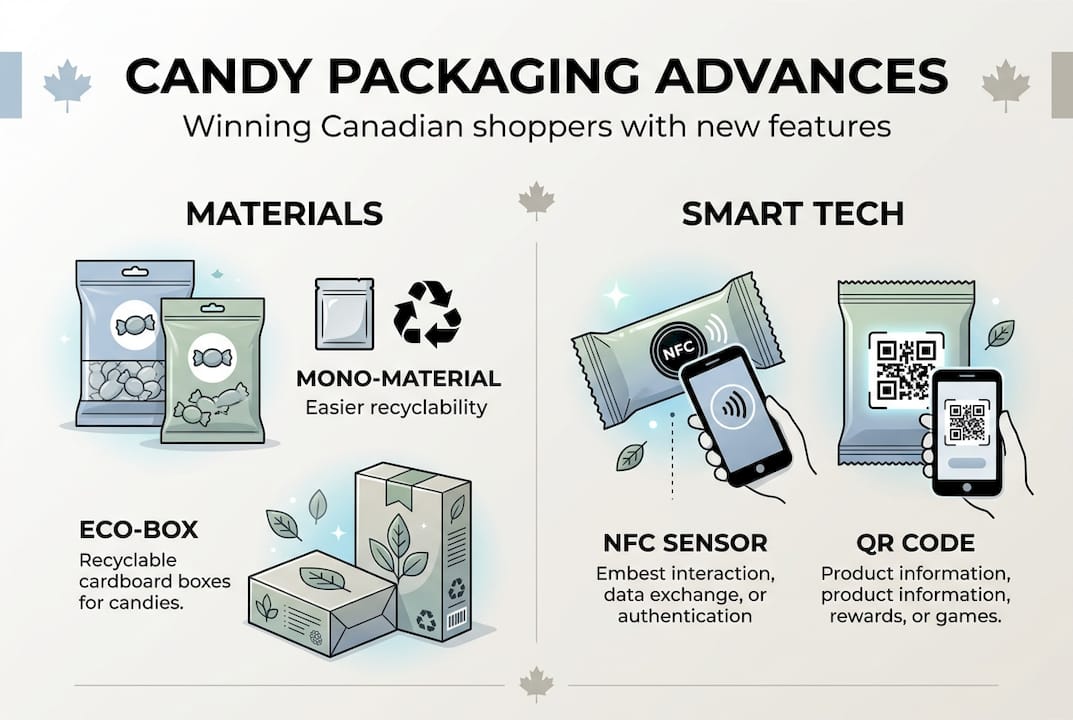
That is a significant finding for candy retailers. It means your packaging’s environmental story can outweigh even premium brand positioning in the minds of certain shoppers.
Here is what sustainability-minded consumers actually look for:
- Recyclable or compostable materials clearly labeled
- Minimal packaging with no unnecessary layers
- Honest, specific claims (avoid vague terms like “eco-friendly” without proof)
- Certifications from recognized bodies (FSC, BPI, How2Recycle)
- Reduced plastic content or plastic-free alternatives
Greenwashing is a real risk. If your packaging claims are not backed by verifiable certifications or material data, savvy shoppers will call it out. Worse, it can damage brand trust permanently.
Exploring green packaging strategies gives you a practical framework for making credible eco claims, and understanding sustainable packaging in Canada helps you navigate the specific regulatory and consumer expectations in this market.
Innovative packaging is only as effective as its ability to drive sales and brand growth, so let us review what works best in real Canadian retail environments.
Practical steps: How to implement innovative candy packaging in your business
Knowing what innovations exist is one thing. Putting them to work in your store is another. Here is a straightforward process for Canadian candy retailers ready to make the move:
- Audit your current packaging: Ask yourself what complaints you hear most often. Is it hard-to-open wrappers? Stale product? Packaging that looks generic on shelf? Start with the biggest pain point.
- Set a clear goal: Are you trying to increase average transaction size, reduce returns, attract new demographics, or improve brand recognition? Your goal shapes which innovation to prioritize.
- Run a small pilot: Order a limited batch with the new packaging format before committing to a full run. Test it in one section of your store or with one product line.
- Gather feedback actively: Ask staff what customers say. Watch which products get picked up and put back down. Monitor sell-through rates before and after the change.
- Measure and scale: Track sales velocity and market share after the packaging change. The data will tell you whether to scale up or pivot.
The results can be dramatic. Hershey’s packaging and display update for their Shaq-licious XL Gummies launch drove 3x sales velocity and a 5% market share increase, demonstrating what data-driven packaging redesigns can achieve.
Pro Tip: Track essential packaging materials costs alongside sales velocity after any packaging change. This gives you a true ROI picture, not just a gut feeling about what is working.
With clear steps to act on, see how Canadian-focused packaging partners can help accelerate your innovation journey.
Take your Canadian candy packaging to the next level
Reading about packaging innovation is the easy part. Executing it with the right partner makes all the difference for Canadian candy retailers who want results without the guesswork.
At Spaceman, we work directly with candy shop owners and retail businesses across Canada to bring these innovations to life. Our private label co-packing services let you launch custom-branded freeze dried candy with professional packaging that stands out on any shelf. If you are ready to test a new display format, our candy display solutions are built for high-traffic retail environments and designed to drive impulse purchases. For shops just getting started, our starter pack for candy retailers gives you a low-risk way to introduce a proven product with packaging that already converts.
Frequently asked questions
What is the most cost-effective candy packaging innovation for small shops?
Resealable pouches and thin recyclable blisters offer strong branding and convenience without significant upfront investment, making them the best starting point for most small retailers.
How can sustainable packaging increase candy sales?
Eco-friendly packaging claims boost consumer purchase intentions and brand trust, giving sustainability-focused candy shops a measurable edge over competitors using conventional materials.
Are smart packages with sensors practical for all candy retailers?
Smart sensor and NFC/RFID packaging features are best suited for high-value or specialty candy products where the premium cost can be justified by the product’s price point and brand positioning.
What are the key packaging elements that influence customer perception of candy?
Color, texture, scent, and unboxing mechanics jointly influence taste perception and willingness to pay, meaning every sensory detail on your packaging contributes to how customers value your product.
Recommended
- Candy Distribution Canada: Boost Margins 50% Freeze-Dried – Spaceman
- Creative Candy Packaging: Boosting Canadian Freeze-Dried Sales – Spaceman
- Candy Pouch Packaging: Boosting Retail Appeal in Canada – Spaceman
- Food Packaging Branding: Boosting Candy Sales – Spaceman
- Eco-Friendly Packaging: Impact on Sustainable Living – EcoVibe Roast