

Finding the perfect freeze dried candy pouch packaging can make or break retail sales in today’s competitive market. With over 60 percent of Canadian consumers actively seeking snacks they see on social media, innovative packaging has become just as important as the candy itself. American trends in snack packaging continue to drive customer expectations, pushing Canadian retailers to rethink how product presentation turns shoppers into loyal fans. This guide highlights practical solutions to bring your candy displays to the next level.
Table of Contents
- Defining Candy Pouch Packaging For Retail
- Types Of Candy Pouch Solutions Available
- Design Features That Drive Shelf Appeal
- Regulations And Compliance In Canadian Packaging
- Sustainability Trends And Eco-Friendly Options
- Common Mistakes And How To Avoid Them
Key Takeaways
| Point | Details |
|---|---|
| Importance of Candy Pouch Packaging | Candy pouch packaging serves as a vital tool for product presentation, protection, and marketing, enhancing consumer engagement and brand identity. |
| Types of Candy Pouch Solutions | Various designs such as stand-up, gusseted, and window pouches cater to specific product needs while maximizing visual appeal and functionality. |
| Packaging Design Considerations | Effective packaging combines aesthetically pleasing elements with practical features like resealability and moisture barriers to ensure product quality and freshness. |
| Regulatory Compliance in Canada | Adhering to bilingual labeling and food safety regulations is essential for Canadian candy manufacturers to maintain consumer trust and legal compliance. |
Defining Candy Pouch Packaging for Retail
Candy pouch packaging represents a strategic approach to product presentation and preservation in the retail environment. These specialized containers are more than simple storage solutions they are sophisticated marketing tools designed to protect, display, and sell confectionery products. Packaging serves critical functions beyond basic product containment, acting as a silent salesperson that communicates brand identity and attracts consumer attention.
At its core, candy pouch packaging involves creating specialized bags or pouches specifically engineered for sweet products. These containers must balance multiple requirements including product protection, visual appeal, and functional design. Canadian retailers increasingly recognize that packaging is not just about holding candy but creating an entire sensory experience. Factors like material durability, barrier properties against moisture and air, and aesthetic design all play crucial roles in determining packaging effectiveness.
The retail landscape demands packaging that can withstand transportation, maintain product freshness, and stand out on shelves. Modern candy pouches incorporate advanced features such as resealable zippers, transparent windows for product visibility, and materials that extend shelf life. Packaging design considerations/06%3A_Processing_Systems/6.05%3A_Packaging) must account for factors like product weight, potential environmental impacts, and consumer convenience.
Pro Packaging Insight: When selecting candy pouch packaging, prioritize designs that balance visual appeal with practical functionality ensuring your product remains fresh, attractive, and marketable throughout its retail journey.
Types of Candy Pouch Solutions Available
Candy pouch packaging offers a diverse range of solutions tailored to meet the unique demands of Canadian retailers and consumers. Packaging materials vary significantly in their composition, functionality, and aesthetic appeal, providing businesses with multiple strategic options for presenting their confectionery products.
Flexible Packaging Solutions represent a primary category of candy pouch types. These include stand-up pouches, resealable bags, and custom-designed containers that prioritize product preservation and visual marketing. Manufacturers can choose from materials like metallized films, kraft paper, clear plastic, and laminated structures that offer different levels of barrier protection, transparency, and shelf appeal. Some pouches incorporate advanced features such as moisture-resistant linings, UV protection, and oxygen barriers to extend product freshness.
Packaging solutions for candies can be categorized into several distinct types based on their structural design and material composition. Common configurations include:
- Flat Pouches: Lightweight, economical option with minimal material usage
- Stand-Up Pouches: Self-supporting design with excellent display characteristics
- Gusseted Pouches: Expanded side panels providing additional storage capacity
- Window Pouches: Transparent sections allowing direct product visibility
- Sealed Bags: Hermetically sealed options for maximum product protection
Pro Packaging Selection Tip: Always match your pouch type to your specific candy product characteristics, considering factors like moisture sensitivity, weight, and desired visual presentation to optimize retail appeal and product preservation.
The following table compares common candy pouch types based on their functionality and marketing advantages:
| Pouch Type | Functional Advantage | Marketing Benefit |
|---|---|---|
| Stand-Up Pouch | Resealable and self-supporting | High shelf visibility |
| Gusseted Pouch | Expands for more capacity | Supports larger branding |
| Window Pouch | Provides product view | Builds consumer trust |
| Flat Pouch | Lightweight, less material | Cost-effective for promotions |
| Sealed Bag | Maximum protection barrier | Ensures freshness for transport |
Design Features that Drive Shelf Appeal
Packaging design plays a pivotal role in transforming candy products from simple consumables to compelling retail experiences. Consumer perspectives on packaging design reveal that visual and functional elements can dramatically influence purchasing decisions, making strategic design choices critical for Canadian candy manufacturers.
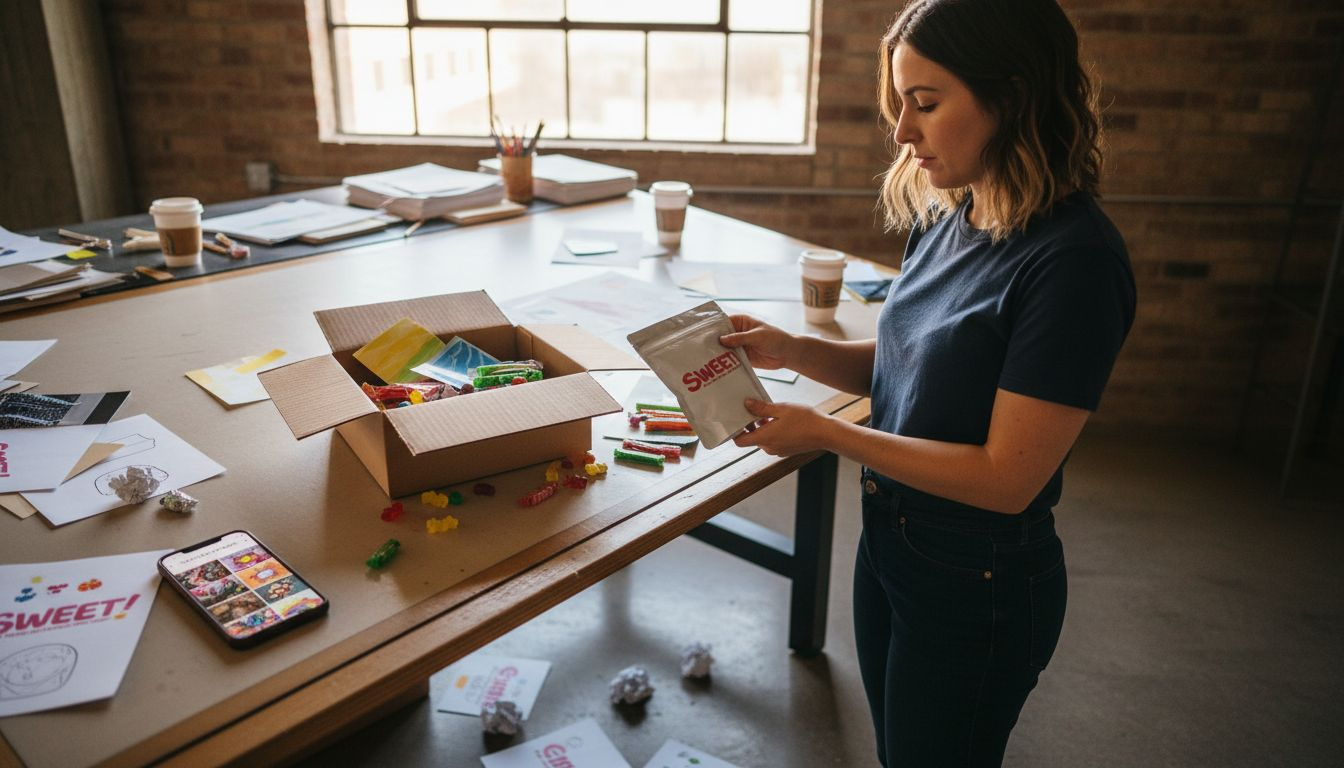
Color and Visual Composition emerge as fundamental drivers of shelf appeal. Successful candy pouches leverage vibrant color palettes, strategic graphic placement, and eye-catching typography to create instant visual communication. Manufacturers must consider psychological color associations that trigger emotional responses consumers can quickly process. Bright, energetic colors might work perfectly for children’s candy, while sophisticated, muted tones could appeal to adult premium candy markets.
Functional Design Features go beyond aesthetic considerations. Innovative packaging strategies integrate practical elements that enhance consumer interaction and product preservation. These include:
- Resealable zip closures maintaining freshness
- Transparent windows showcasing product quality
- Ergonomic pouch shapes enabling easy handling
- Moisture barrier technologies protecting product integrity
- QR codes linking to digital brand experiences
Pro Design Strategy Tip: Prioritize packaging designs that balance visual storytelling with practical functionality, ensuring your candy pouch communicates brand identity while solving real consumer needs like convenience and product protection.
Regulations and Compliance in Canadian Packaging
Navigating the complex landscape of Canadian food packaging regulations requires meticulous attention to detail and comprehensive understanding of national standards. Canadian food labeling requirements establish stringent guidelines that candy manufacturers must carefully follow to ensure legal compliance and consumer safety.
Bilingual Labeling Requirements represent a critical aspect of Canadian packaging regulations. All packaging must provide information in both English and French, reflecting Canada’s commitment to linguistic diversity. This means nutritional information, ingredient lists, allergen warnings, and product descriptions must be accurately translated and presented with equal prominence. Manufacturers must ensure that text size, legibility, and placement meet official standards for both languages.
Key Regulatory Compliance Elements for candy pouch packaging include:
- Mandatory nutritional facts panel
- Complete ingredient listing
- Allergen declaration in clear, conspicuous text
- Net weight and volume specifications
- Manufacturer contact information
- Country of origin identification
- Bilingual product descriptions
Pro Compliance Strategy Tip: Develop a systematic checklist for packaging design that cross references Canadian Food Inspection Agency regulations, ensuring every packaging element meets legal requirements before production begins.
Sustainability Trends and Eco-Friendly Options
The Canadian candy packaging industry is experiencing a transformative shift toward more sustainable and environmentally conscious solutions. Sustainable food packaging developments are reshaping how manufacturers approach product containment, with an increasing emphasis on reducing environmental impact without compromising product quality.
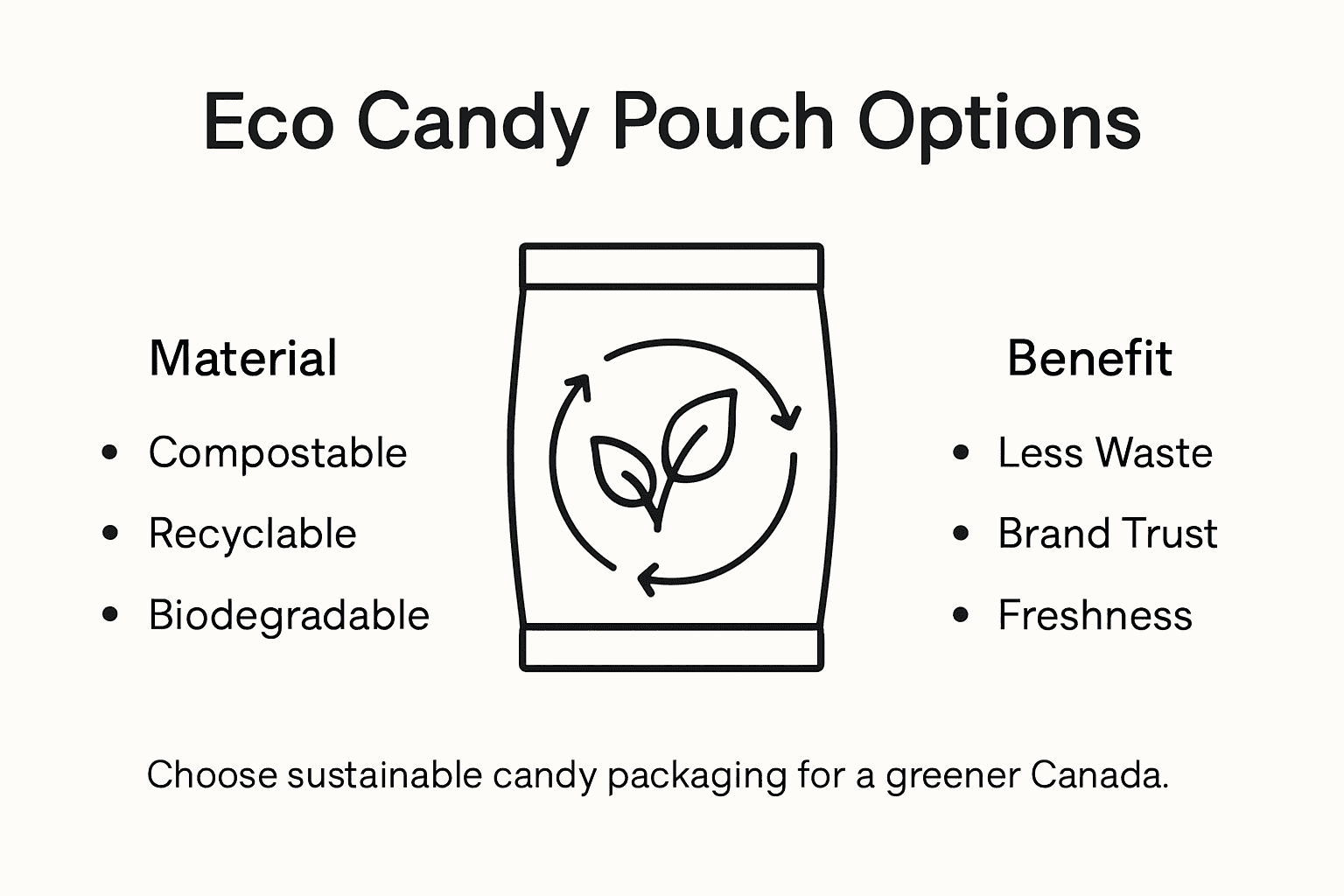
Biodegradable Material Innovations represent the cutting edge of eco-friendly packaging technologies. Manufacturers are exploring advanced materials like plant-based polymers, compostable films, and regenerative packaging solutions that break down naturally without leaving harmful residues. These materials not only reduce plastic waste but also align with growing consumer expectations for environmentally responsible product choices.
Key Sustainable Packaging Options for Canadian candy producers include:
- Compostable bio-based pouches
- Recycled paper packaging
- Biodegradable plastic alternatives
- Minimalist packaging designs reducing material usage
- Plant-derived polymer structures
- Packaging with clear recycling instructions
- Carbon-neutral manufacturing processes
Pro Sustainability Strategy Tip: Conduct a comprehensive lifecycle assessment of your packaging materials, focusing on both environmental impact and consumer perception to create packaging solutions that are genuinely sustainable and market-attractive.
Below is a summary of sustainable packaging options with their environmental and consumer impact:
| Eco Option | Environmental Benefit | Consumer Appeal |
|---|---|---|
| Compostable Film | Reduces landfill waste | Perceived as eco-friendly |
| Recycled Paper | Lowers raw resource usage | Recyclable with household paper |
| Plant-Based Polymer | Biodegrades naturally | Modern, innovative appearance |
| Minimalist Design | Cuts material use | Modern, simple aesthetic |
| Clear Recycling Label | Improves disposal accuracy | Shows environmental responsibility |
Common Mistakes and How to Avoid Them
Candy pouch packaging involves numerous potential pitfalls that can significantly impact product marketability and consumer perception. Packaging selection guidance highlights critical areas where manufacturers frequently make errors, emphasizing the importance of strategic design and thoughtful material selection.
Design and Material Selection Mistakes often emerge from overlooking fundamental packaging requirements. Common errors include selecting materials that compromise product freshness, failing to account for transportation stress, or choosing designs that do not effectively communicate brand identity. Manufacturers must recognize that packaging is not merely a container but a critical communication tool that directly influences consumer purchasing decisions.
Key Packaging Mistakes to Avoid:
- Inadequate moisture barrier protection
- Oversized or wasteful packaging designs
- Poor legibility of product information
- Inconsistent branding across packaging
- Ignoring sustainable material options
- Complicated opening mechanisms
- Lack of clear recycling instructions
- Insufficient product visibility
- Neglecting bilingual packaging requirements
Pro Packaging Prevention Tip: Implement a comprehensive pre-production testing protocol that simulates real-world shipping, storage, and consumer handling conditions to identify and mitigate potential packaging vulnerabilities before full-scale manufacturing.
Elevate Your Candy Packaging to Stand Out in Canadian Retail
Struggling to find candy pouch packaging that balances eye-catching shelf appeal with product freshness and compliance? At Space-Man.ca, we understand the importance of packaging that does not just hold your product but tells your brand’s story through innovative design, practical features, and eco-friendly materials. Whether you are looking to boost your retail presence or ensure your candy stays fresh and protected, our specialized freeze dried candy solutions offer unmatched quality and versatility.
Explore our range of Wholesale Freeze Dried Candy & Treats designed to perfectly complement customized packaging strategies.
Discover how partnering with a trusted Canadian manufacturer and distributor like Space-Man.ca can help you deliver products that excite your customers and meet strict regulatory standards. Act now to transform your candy pouch packaging approach and captivate the retail market. Visit Space-Man.ca to learn more and explore options including Bulk Unbranded Freeze Dried Candy & Treats and The Perfect Gift : Freeze Dried Candy Bundles! that combine quality with retail appeal.
Frequently Asked Questions
What is candy pouch packaging?
Candy pouch packaging refers to specialized bags designed for storing and marketing confectionery products. They protect the product, enhance visual appeal, and serve as a crucial marketing tool in retail environments.
What are the advantages of different types of candy pouches?
Different types of candy pouches, such as stand-up pouches, gusseted pouches, and window pouches, offer unique benefits. Stand-up pouches provide high shelf visibility, gusseted pouches allow for greater storage capacity, and window pouches showcase the product inside, enhancing consumer trust.
How does packaging design affect consumer purchasing decisions?
Effective packaging design can significantly influence purchasing decisions through visual appeal, functional features, and emotional triggers. Vibrant colors, ergonomic shapes, and clear product visibility can attract consumers and enhance their experience with the product.
What are common mistakes to avoid when designing candy pouch packaging?
Common mistakes include selecting materials that compromise freshness, using oversized packaging, and failing to provide clear product information. Ensuring bilingual labels, legible text, and adequate moisture protection are vital for effective retail packaging.
Recommended
- 7 Essential Packaging Materials Every Candy Business Needs – Spaceman
- 7 Essential Types of Food Packaging for Candy Businesses – Spaceman
- Custom Candy Packaging Wholesale: Boosting Brand Growth – Spaceman
- Understanding Candy Packaging Solutions for Businesses – Spaceman
- Top cadeauzakjes groothandel – Beste Vergelijkingen 2025 – Kadopapier.net