

Starting a freeze-dried candy business in Canada presents a lucrative opportunity in a rapidly growing market. However, navigating Canadian food regulations, equipment costs, and marketing strategies can feel overwhelming for new entrepreneurs. This guide provides a clear roadmap to launch your freeze-dried candy venture legally and profitably, covering everything from licensing requirements to scaling your operations through private label partnerships.
Table of Contents
- Introduction And Market Overview
- Prerequisites: What You Need Before Starting
- Step-By-Step Startup Process
- Legal And Licensing Requirements
- Startup Costs, Equipment, And Production Timeline
- Packaging, Branding, And Private Labeling
- Marketing And E-Commerce Strategies
- Common Mistakes And Troubleshooting
- Expected Results, Profitability, And Success Metrics
- Start Your Freeze-Dried Candy Business With Expert Support
- Frequently Asked Questions
Key Takeaways
| Point | Details |
|---|---|
| Legal licensing mandatory | SFCR licensing required before production begins to avoid fines and closure. |
| Initial investment range | Startup costs typically span $3,000 to $12,000 including equipment and supplies. |
| Profit margins achievable | Successful operations generate 40% to 60% or higher margins with proper execution. |
| Packaging drives sales | Clear resealable packaging increases consumer purchase likelihood significantly. |
| Production requires planning | Each freeze-drying batch takes approximately 24 hours, impacting daily capacity. |
Introduction and Market Overview
The freeze-dried food industry is exploding globally. The global freeze-dried food market projected to reach $130B by 2028 signals massive opportunities for niche players. Freeze-dried candy occupies a sweet spot within this growth, appealing to diverse consumer segments seeking novelty, nostalgia, and healthier snacking alternatives.
Understanding your target market helps you carve out a competitive edge in Canada’s dynamic snack landscape. Your ideal customers likely include:
- Millennials and Gen Z consumers seeking unique, shareable snack experiences
- Parents looking for healthier alternatives to traditional candy options
- Athletes and fitness enthusiasts attracted to lightweight, portable nutrition
- Nostalgic candy lovers wanting familiar flavors with innovative textures
- Gift buyers searching for distinctive, eye-catching products
Identifying which segments align best with your brand vision allows you to tailor product development, packaging, and marketing efforts. The Canadian market offers room for differentiation through local sourcing, creative flavor combinations, and strategic positioning that resonates with specific demographics. Research your competitors, analyze gaps in current offerings, and position your brand to fill unmet needs.
Pro Tip: Start by testing your product concept with small batches at local farmers markets or craft fairs to gather real-time feedback before investing heavily in equipment and inventory.
Prerequisites: What You Need Before Starting
Before diving into production, you need specific equipment, licenses, capital, and knowledge. Preparation determines whether your launch succeeds or stalls.
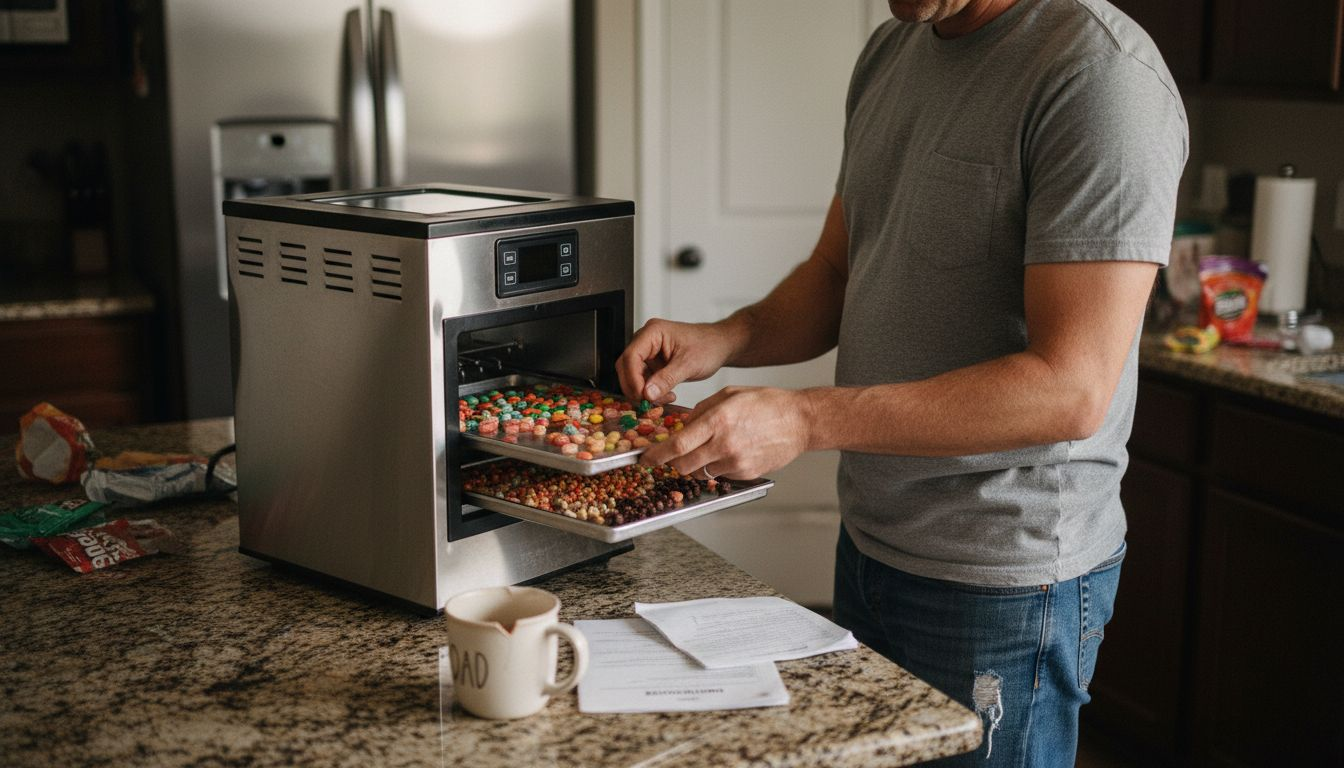
Home scale freeze-drying equipment costs from $2,500 to $10,000 with additional business fees and supplies. This represents your largest upfront expense. Commercial units offer greater capacity but demand significantly higher investment. Start small if capital is limited, then scale as revenue grows.
Beyond equipment, budget for these essentials:
- Business registration and licensing fees: $100 to $400 depending on province
- Initial candy inventory and packaging supplies: $500 to $1,000
- Website development and e-commerce platform setup: $200 to $800
- Marketing materials and initial advertising budget: $300 to $600
You also need foundational knowledge about Canadian Safe Food for Canadians Regulations licensing requirements. Every food manufacturer must comply with federal standards before selling products. Understanding SFCR basics early prevents costly delays or legal issues after you invest in equipment.
Market research skills prove equally important. Study competitor pricing, identify distribution channels, and validate demand for your specific product concept before committing resources. Product development knowledge helps you experiment with candy types, freeze-drying parameters, and flavor profiles that deliver consistent quality.
Pro Tip: Connect with existing freeze-dried candy entrepreneurs through online forums or local business networks to learn from their experiences and avoid common pitfalls. Explore freeze drying equipment options to understand what best fits your production goals.
Step-by-Step Startup Process
Successful startups conduct market research, develop product lines, register licenses, and launch marketing campaigns methodically. Follow this structured sequence to move from concept to profitable operation:
-
Conduct thorough market research. Identify your target customers, analyze competitor offerings, and determine pricing strategies that balance profitability with market expectations. Survey potential customers to validate demand for your specific product concepts.
-
Develop and test your product line. Experiment with different candy types, freeze-drying techniques, and flavor combinations. Document successful recipes and processes to ensure consistency when you scale production.
-
Choose your production model. Decide whether to manufacture in-house with your own equipment or partner with a private label manufacturer. Private labeling reduces upfront costs and accelerates time to market while allowing you to focus on branding and sales.
-
Register your business and secure SFCR licenses. Complete provincial business registration, obtain a business number, and apply for required Safe Food for Canadians Regulations licenses before producing any commercial products. This step is non-negotiable.
-
Build your e-commerce infrastructure. Set up a Shopify store or similar platform, configure payment processing, and establish shipping logistics. Optimize product pages for search engines to attract organic traffic.
-
Launch targeted marketing campaigns. Create engaging social media content showcasing your products, collaborate with micro-influencers in your niche, and implement SEO strategies to drive traffic to your online store. Test different channels to identify what delivers the best return on investment.
This methodical approach minimizes risk and positions your business for sustainable growth. Check out this step-by-step startup process for additional Canadian-specific guidance.
Legal and Licensing Requirements
Operating a food business in Canada without proper licensing invites serious consequences. Understanding your legal obligations protects your investment and reputation.
Manufacturing, packaging and labelling require specific licences under SFCR; non-compliance can lead to fines and business closure. The Canadian Food Inspection Agency enforces these regulations strictly. Every entrepreneur involved in food production, packaging, or labelling must obtain the appropriate license before selling any products.
Licensing requirements vary based on your specific activities:
- Manufacturing freeze-dried candy requires a manufacturing license
- Packaging products for retail sale needs a packaging license
- Creating and applying labels triggers labelling license requirements
- Importing ingredients or finished products demands import licenses
Provincial regulations may add additional requirements depending on your location. British Columbia, Ontario, and Quebec each maintain specific rules beyond federal standards. Consult both federal SFCR guidelines and your provincial health authority to ensure complete compliance.
Failure to comply with SFCR licensing can cause business closure, fines, and lost trust. Penalties extend beyond monetary fines. Regulatory violations damage your brand reputation, destroy customer confidence, and create barriers to future business opportunities.
The CFIA provides tools to help determine which licenses you need. Their online self-assessment guides walk you through activity-based questions to identify your specific requirements. Complete this assessment before purchasing equipment or producing samples.
“Food safety is not negotiable in Canada. Proper licensing demonstrates your commitment to consumer protection and positions your brand as trustworthy and professional.”
Secure all required licenses during your planning phase, not after production begins. Processing applications takes time, so start early. Review the freeze-dried candy licensing guide and explore Canadian candy factory requirements for detailed compliance information.
Startup Costs, Equipment, and Production Timeline
Freeze-drying equipment costs range from $2,500 for home units to $10,000+ for commercial setups; batch cycles typically last approximately 24 hours. This timeline constraint directly impacts your production capacity and revenue potential.
A realistic cost breakdown for a home-based startup looks like this:
| Expense Category | Cost Range |
|---|---|
| Freeze-drying equipment | $2,500 - $10,000 |
| Business registration and licenses | $100 - $400 |
| Initial candy inventory | $300 - $600 |
| Packaging materials and labels | $200 - $400 |
| Website and e-commerce platform | $200 - $800 |
| Marketing and promotional materials | $300 - $600 |
| Total Startup Investment | $3,600 - $12,800 |
Production timing requires careful planning. Each batch occupies your freeze dryer for roughly 24 hours, limiting you to one batch per day with single-unit operations. This constraint affects how quickly you can fulfill orders, test new products, and scale revenue.
Calculate your daily production capacity based on equipment specifications:
- Small home units (4-6 trays): 2-4 pounds finished product per batch
- Medium home units (7-9 trays): 4-7 pounds finished product per batch
- Commercial units (12+ trays): 10-15+ pounds finished product per batch
These volumes determine your maximum weekly and monthly output. Multiply daily capacity by your operating days to project realistic revenue targets. Factor in time for loading, unloading, cleaning, and maintenance when planning production schedules.
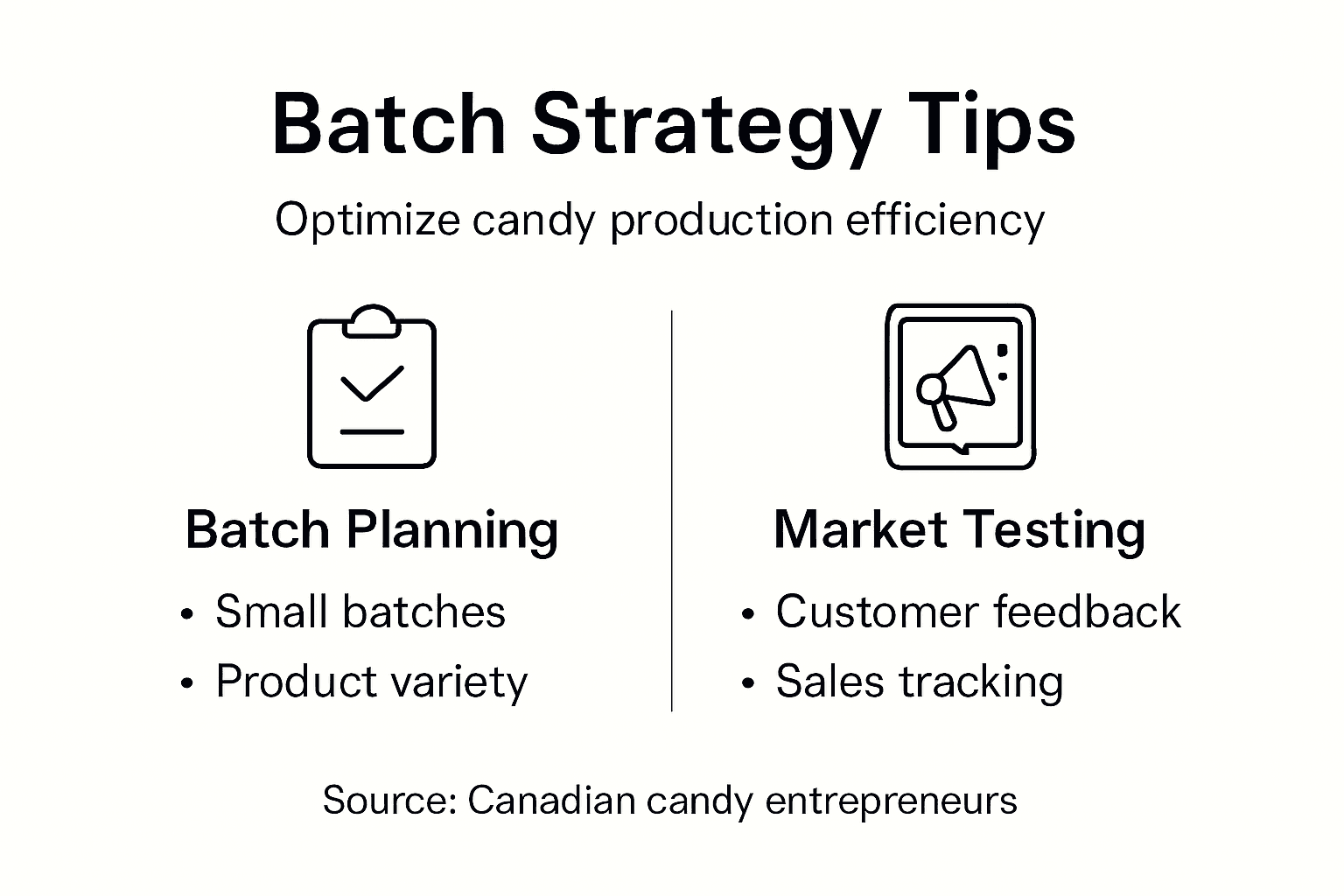
Pro Tip: Run multiple smaller batches of different products rather than single large batches to test market preferences without overcommitting inventory. This approach provides flexibility as you refine your product mix.
Consider comparing freeze dryer vs dehydrator analysis to understand why freeze-drying delivers superior results for candy products. Review various freeze dryer equipment options to match your budget and production goals.
Packaging, Branding, and Private Labeling
Packaging serves as your silent salesperson. The right materials and design dramatically influence purchase decisions and brand perception.
Clear resealable packaging increases consumer purchase likelihood by over 60% for freeze-dried candy. Customers want to see the product quality, assess portion sizes, and ensure freshness after opening. Resealable closures address practical concerns about product preservation while enhancing perceived value.
Your packaging strategy should address these critical elements:
- Material selection: Food-grade Mylar bags or clear plastic containers that protect against moisture and light
- Label design: Eye-catching graphics that communicate your brand personality and product benefits
- Regulatory compliance: Bilingual nutrition facts, ingredient lists, allergen warnings, and contact information meeting Canadian labelling standards
- Sustainability messaging: Recyclable or eco-friendly materials appeal to environmentally conscious consumers
Branding differentiates your products in a crowded marketplace. Develop a unique brand identity that resonates with your target audience. Your brand encompasses your name, logo, color scheme, messaging tone, and overall visual aesthetic. Consistency across all touchpoints builds recognition and trust.
Private label manufacturing offers an alternative to in-house production. This model allows you to focus on branding, marketing, and sales while experienced manufacturers handle production, packaging, and quality control. Private labeling reduces upfront capital requirements, eliminates equipment maintenance concerns, and provides immediate scalability.
Canadian private label partners can produce your branded products in larger volumes than home equipment allows. This arrangement proves particularly valuable as you test market fit, expand distribution channels, or lack space for manufacturing facilities. Explore private label advantages in Canada to understand how this model accelerates growth.
Marketing and E-Commerce Strategies
Effective marketing transforms your quality products into sustainable sales. Digital channels offer cost-efficient ways to reach your target audience and build brand awareness.
Social media platforms deliver exceptional results for visually appealing products like freeze-dried candy:
- Instagram: Share high-quality photos and short videos showcasing texture, colors, and unboxing experiences. Use relevant hashtags to expand reach beyond your existing followers.
- TikTok: Create engaging short-form content demonstrating the freeze-drying process, taste tests, or creative serving suggestions. Viral potential on TikTok can explode brand awareness rapidly.
- YouTube: Produce longer videos explaining your process, sharing your entrepreneurial journey, or providing educational content about freeze-drying. Video builds deeper connections with audiences.
Influencer collaborations amplify your message to established communities. Partner with micro-influencers (5,000 to 50,000 followers) in food, lifestyle, or parenting niches who align with your brand values. These partnerships typically cost less than macro-influencer deals while delivering higher engagement rates.
Search engine optimization drives organic traffic to your online store. Research keywords your target customers use when searching for unique candy or snack products. Optimize product titles, descriptions, and blog content around these terms to improve search rankings.
E-commerce platform selection impacts your operational efficiency:
- Shopify: User-friendly interface, extensive app ecosystem, and strong support make it ideal for beginners
- Amazon: Massive existing customer base provides immediate market access but involves fees and intense competition
- Etsy: Appeals to consumers seeking handmade or artisan products, fitting well for small-batch specialty candy
Hybrid strategies combining online and offline sales maximize revenue opportunities. Approach local specialty food stores, gift shops, or convenience stores about carrying your products. Retail partnerships provide steady income streams and introduce your brand to customers who prefer in-person shopping.
Review candy distribution and marketing strategies and private label marketing strategies for deeper insights into scaling your sales channels.
Common Mistakes and Troubleshooting
Common startup mistakes include underestimating batch times, neglecting proper licensing, and ignoring packaging importance. Learning from others’ errors saves you time, money, and frustration.
Frequent pitfalls that derail freeze-dried candy startups:
- Underestimating production cycles: Planning for daily output without accounting for 24-hour batch times creates unrealistic delivery promises and cash flow problems. Build buffer time into your production schedule.
- Skipping licensing requirements: Operating without proper SFCR licenses risks immediate shutdown, fines, and permanent damage to your business reputation. Never cut corners on regulatory compliance.
- Neglecting packaging quality: Cheap or unattractive packaging undermines premium positioning and reduces sales. Invest in professional design and quality materials that protect product integrity.
- Insufficient market research: Launching products without validating customer demand leads to excess inventory and wasted resources. Test concepts with small batches before scaling production.
- Ignoring profit margins: Failing to accurately calculate costs including equipment depreciation, ingredients, packaging, and marketing results in unsustainable pricing. Track all expenses meticulously.
Troubleshooting production issues requires systematic problem-solving. Document each batch with notes about timing, temperature settings, candy types, and results. This record helps identify patterns when quality issues arise.
Pro Tip: Join online communities of freeze-dried candy entrepreneurs to share experiences, troubleshoot problems, and stay current on industry trends. Collective knowledge accelerates your learning curve.
When facing challenges, revisit your business fundamentals. Verify your licensing remains current, review production processes for inefficiencies, and solicit customer feedback about product quality and packaging. Early course correction prevents small problems from becoming business-threatening crises. Learn how to avoid startup mistakes through comprehensive planning.
Expected Results, Profitability, and Success Metrics
Typical freeze-dried candy profit margins range from 40% to over 60%, with scaling improving returns. These margins reflect the premium pricing freeze-dried products command relative to production costs.
Realistic timeline expectations help you plan cash flow and growth strategies. Most startups follow this pattern:
| Timeline | Milestone |
|---|---|
| Months 1-2 | Market research, business registration, licensing applications |
| Months 2-3 | Equipment purchase, product development, recipe refinement |
| Months 3-4 | Website launch, initial marketing campaigns, first sales |
| Months 4-6 | Production optimization, customer feedback integration, scaling |
| Months 6-12 | Expanded distribution, product line growth, profitability |
Key performance indicators guide your decision-making and measure progress:
- Monthly sales volume: Track units sold and revenue generated to identify growth trends
- Customer acquisition cost: Calculate marketing spend divided by new customers to optimize advertising efficiency
- Repeat purchase rate: Measure how many customers return for additional orders, indicating product satisfaction
- Production efficiency: Monitor output per batch and equipment utilization to maximize capacity
- Gross profit margin: Calculate revenue minus direct costs to ensure pricing supports profitability goals
Success metrics vary based on your specific business model and goals. A home-based operation aiming for supplemental income has different targets than an entrepreneur building a full-time business. Define your personal success criteria early, then track relevant metrics consistently.
Production batch efficiency directly impacts profitability. Maximize your freeze dryer utilization by planning production schedules that keep equipment running continuously. Empty machines represent lost revenue opportunities.
On-time delivery builds customer trust and encourages positive reviews. Buffer your production timeline to account for unexpected delays or quality issues requiring rebatches. Reliable fulfillment differentiates professional operations from hobbyist ventures.
Start Your Freeze-Dried Candy Business with Expert Support
Launching your freeze-dried candy business becomes significantly easier with the right partners and resources. Whether you need equipment, production support, or packaging solutions, expert guidance accelerates your path to profitability.
Space-Man specializes in freeze-drying solutions tailored for Canadian candy entrepreneurs. Explore comprehensive guides on freeze drying machines to understand equipment options matching your production goals and budget.
Private label and co-packing services eliminate major startup barriers. Rather than investing thousands in equipment and managing production complexities, partner with experienced manufacturers who handle production, quality control, and packaging. This model allows you to focus your energy on branding, marketing, and sales while experts manage manufacturing operations. Discover how private label and co-packing services can scale your business without large capital investments.
Canadian-based packaging and branding services ensure your products meet regulatory requirements while standing out on virtual and physical shelves. Professional support transforms your vision into market-ready products faster than navigating these challenges alone.
Frequently Asked Questions
What licenses do I need to start a freeze-dried candy business in Canada?
You need a Safe Food for Canadians Regulations license for manufacturing, packaging, and labelling activities. Provincial business registration and a business number are also required. Check with CFIA and your provincial health authority for complete requirements.
How much does a home freeze dryer cost for starting out?
Home freeze dryers range from $2,500 for small four-tray units to $10,000 for larger nine-tray models. Budget additional funds for initial inventory, packaging supplies, business registration, and marketing to reach total startup costs of $3,600 to $12,800.
Can I scale my business using private label manufacturers?
Yes, private label manufacturing offers excellent scalability without large equipment investments. You focus on branding and sales while experienced manufacturers handle production, quality control, and packaging at volumes beyond home equipment capacity.
What packaging type works best for freeze-dried candy?
Clear resealable Mylar bags or food-grade plastic containers work best. Transparency lets customers see product quality while resealable closures preserve freshness and increase purchase likelihood by over 60%.
How do I market my freeze-dried candy online effectively?
Leverage visual platforms like Instagram and TikTok with engaging product photos and videos. Collaborate with micro-influencers in food niches, optimize your website for search engines, and consider Amazon or Shopify for e-commerce infrastructure.
Recommended
- Candy Distribution Canada: Boost Margins 50% Freeze-Dried – Spaceman
- How to Launch Your Own Freeze-Dried Candy Brand in Canada (Without a F – Spaceman
- Wholesale Freeze Dried Candy Canada: 9.96% CAGR Growth – Spaceman
- Freeze Dried Candy Basics: Cut Weight 90% & Boost Shelf Life – Spaceman
- Starting a New Venture? Steer Clear of These 5 Common Mistakes!