

Finding new ways to keep shelves exciting can be a challenge for Canadian retailers, especially when younger shoppers crave something original. Private label products have evolved from bargain substitutes into innovative brands that compete directly with national and global names, putting real creative power in the hands of retailers. If you are considering freeze dried candy as your next big move, understanding what sets private labels apart could be the key to winning loyalty from a new generation of customers.
Table of Contents
- What Are Private Label Products?
- Types of Private Label Product Models
- How Private Labeling Benefits Retailers
- Navigating Packaging, Labeling, and Compliance
- Risks, Costs, and Common Pitfalls
Key Takeaways
| Point | Details |
|---|---|
| Understanding Private Labels | Private label products are unique brands created by retailers to enhance their store image, increase loyalty, and improve profit margins. This trend is gaining traction in Canada as consumers increasingly trust these offerings. |
| Tiered Product Models | Retailers utilize multi-tier private label portfolios to cater to different consumer segments, including economy, standard, and premium products, maximizing customer reach and profitability. |
| Compliance and Packaging | Adhering to Canadian packaging and labeling regulations is crucial for private labels; ensuring compliance can prevent costly errors and legal issues. |
| Risks of Private Labeling | Retailers must be aware of risks such as supplier dependency, quality control, and financial exposure, necessitating a diversified strategy for successful implementation. |
What Are Private Label Products?
Private label products are items that retailers design, own, and market under their own brand name rather than a manufacturer’s brand. Think of them as the store’s exclusive line, sold alongside national brands on the same shelves. These products represent a significant shift in retail strategy, and understanding what they are is essential for any Canadian retailer looking to strengthen their competitive position.
Historically, private labels got a bad reputation. They were positioned as cheap knockoffs, the option shoppers chose when they couldn’t afford the name brand sitting right next to it. But that narrative has completely changed. Modern private label products have evolved from low-cost alternatives into innovative brands that compete directly with national and global powerhouses in quality, design, and consumer perception. Retailers now use private labels to enhance their store image, build customer loyalty, and improve profit margins—a three-pronged benefit that’s hard to ignore in today’s competitive market.
In Canada specifically, this trend is picking up steam. Consumers are increasingly willing to trust private label offerings, particularly in categories like premium products, organic goods, and plant-based options. The shift reflects a broader change in consumer attitudes. People no longer assume that the store brand is inferior. They see it as an extension of the retailer’s values and commitment to quality. When you pair that consumer confidence with the profit potential of private labeling, you’re looking at a genuine opportunity for retailers to differentiate themselves and build deeper relationships with their customer base.
What makes private labels particularly valuable is their flexibility. They allow you to control the entire product experience, from sourcing to packaging to pricing strategy. Whether you’re stocking your shelves with freeze-dried candy, premium snacks, or specialty items, private label marketing increasingly emphasizes sustainable practices and ethical standards, giving your brand a competitive advantage with today’s conscious consumer. This level of control means your brand story becomes part of the customer experience every time they make a purchase.
Pro tip: Start small with your private label offerings by testing products in high-demand categories where you already see strong customer engagement, allowing you to build confidence and gather data before expanding across your entire inventory.
Types of Private Label Product Models
Retailers don’t use a one-size-fits-all approach when developing private labels. Instead, successful Canadian retailers employ multi-tier private label portfolios that cater to different consumer segments based on price sensitivity and quality preferences. This tiered strategy allows you to capture a broader customer base, from budget-conscious shoppers to those willing to pay premium prices for quality and exclusivity. Understanding which models fit your retail environment is critical to maximizing profitability and customer satisfaction.
The most common tiered structure breaks down into three distinct levels. Economy private labels serve price-conscious consumers looking for basic functionality at the lowest cost point, making them ideal for your price-sensitive customer segments. Standard private labels sit in the middle, offering solid quality at prices competitive with national brands, and they typically represent the bulk of sales volume for most retailers. Premium private labels target affluent customers who view quality and brand reputation as worth the investment. Each tier serves a specific purpose in your portfolio, and many successful retailers use all three to maximize shelf coverage and profit margins across their customer base.
Here’s a concise comparison of the three main private label product tiers for retailers:
| Tier Type | Typical Customer Segment | Price Position | Quality Expectation |
|---|---|---|---|
| Economy | Budget-conscious shoppers | Lowest on shelf | Basic, functional |
| Standard | Mass market consumers | Competitive | Consistent, reliable |
| Premium | Affluent, value-focused | Highest on shelf | Superior, innovative |
Beyond traditional retail models, the landscape has expanded significantly with e-commerce strategies. Private label introduction on e-commerce platforms involves operational diversity, with retailers selecting from agency selling, reselling, or hybrid models that combine multiple approaches. This flexibility lets you test private label products through various sales channels before committing to full inventory investments. For example, you might launch a freeze-dried candy private label through agency selling on your website first, then transition to direct reselling once you’ve validated customer demand and refined your offering.
When deciding which model suits your business, consider your customer base demographics, inventory capacity, and profit goals. A retailer attracting younger consumers might prioritize premium, health-conscious private labels. A store with limited shelf space might focus on the standard tier where turnover is fastest. The key is recognizing that private label success isn’t about picking one model and sticking with it forever. It’s about building flexibility into your strategy so you can respond to shifting consumer preferences and market opportunities.
Pro tip: Start with a standard-tier private label in a fast-moving category like freeze-dried candy to build operational experience and customer trust before expanding into economy or premium tiers.
How Private Labeling Benefits Retailers
Private labeling isn’t just a way to fill shelf space with cheaper alternatives. When executed strategically, it becomes one of the most powerful tools in your retail toolkit. The benefits span multiple dimensions of your business, from your bottom line to customer relationships, and understanding these advantages can transform how you approach your overall retail strategy.
The most immediate benefit retailers experience is margin improvement. Private label products typically generate significantly higher profit margins than national brands because you control the entire supply chain, from production to final sale. You’re not paying middleman markups or supporting massive national advertising campaigns. This margin advantage compounds when you strategically manage private label portfolios by providing both affordability and brand differentiation, allowing you to increase market share while boosting profitability. For Canadian retailers carrying freeze-dried candy, this means you’re keeping more revenue per unit sold compared to stocking only national brands.
Beyond margins, private labels create powerful differentiation. Your store becomes more than just a location where customers buy commodities. When you offer exclusive private label products, particularly in trendy categories like premium freeze-dried candy or health-conscious snacks, you give customers a reason to shop with you instead of your competitors. Customers develop loyalty to your brand because they can’t find your products anywhere else. They associate your store with quality, value, and unique offerings. Private label partnerships present opportunities to create unique products tailored to consumer demand while increasing your operational efficiency. This exclusivity becomes especially valuable when targeting younger consumers who actively seek unique, Instagram-worthy products and specialty items.
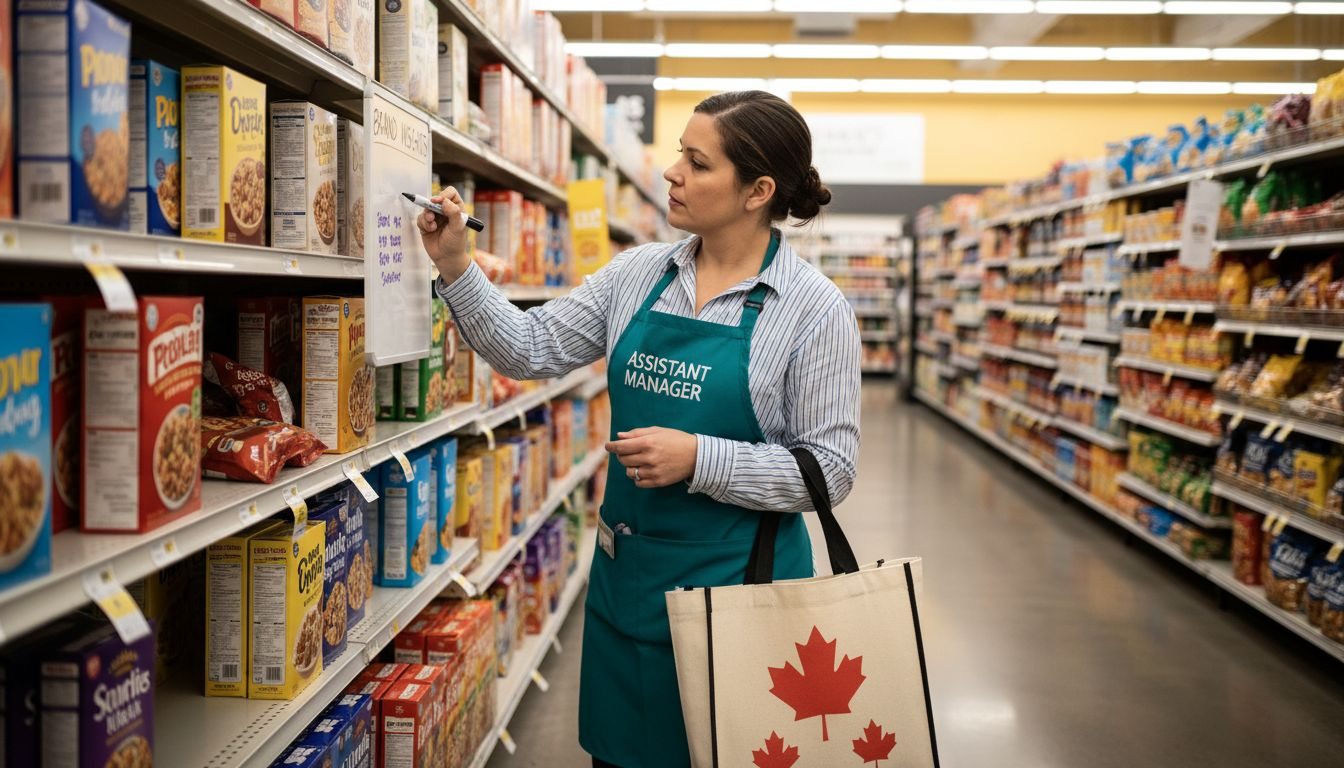
There’s also the data advantage. Private labels give you direct insight into consumer preferences and purchasing behavior. You learn exactly which products move, which price points resonate, and which flavor variations or packaging styles appeal to your customer base. This intelligence informs your entire purchasing strategy and helps you make smarter decisions about inventory, promotions, and new product launches. You’re building a direct relationship with customers rather than relying entirely on national brand marketing messages to drive traffic.
Pro tip: Build your private label strategy around one hero product category like freeze-dried candy that aligns with your target demographic, then use the margin gains and customer loyalty you generate to fund expansion into complementary categories.
Navigating Packaging, Labeling, and Compliance
Here’s where many retailers stumble with private labels. They get excited about the margins and the brand opportunity, then realize they’ve overlooked a critical piece: Canadian packaging and labeling regulations are not suggestions. They’re mandatory requirements that can shut down your entire operation if you get them wrong. But don’t panic. The rules are actually straightforward once you understand them, and compliance becomes part of your standard process.
Canada has specific federal regulations governing how private label products must be labeled. Packaging and labelling for private label products must include accurate product information, bilingual labeling in both English and French, identity statements, net quantity declarations, and dealer information. These requirements are enforced by Health Canada and the Canadian Food Inspection Agency, and they apply whether you’re selling locally or nationally. For freeze-dried candy specifically, you’ll need to ensure nutritional information is accurate, allergen warnings are clear and prominent, and ingredient lists follow the required format. The bilingual requirement is particularly important—your label cannot favor one language over the other. Both English and French must be equally visible and readable.
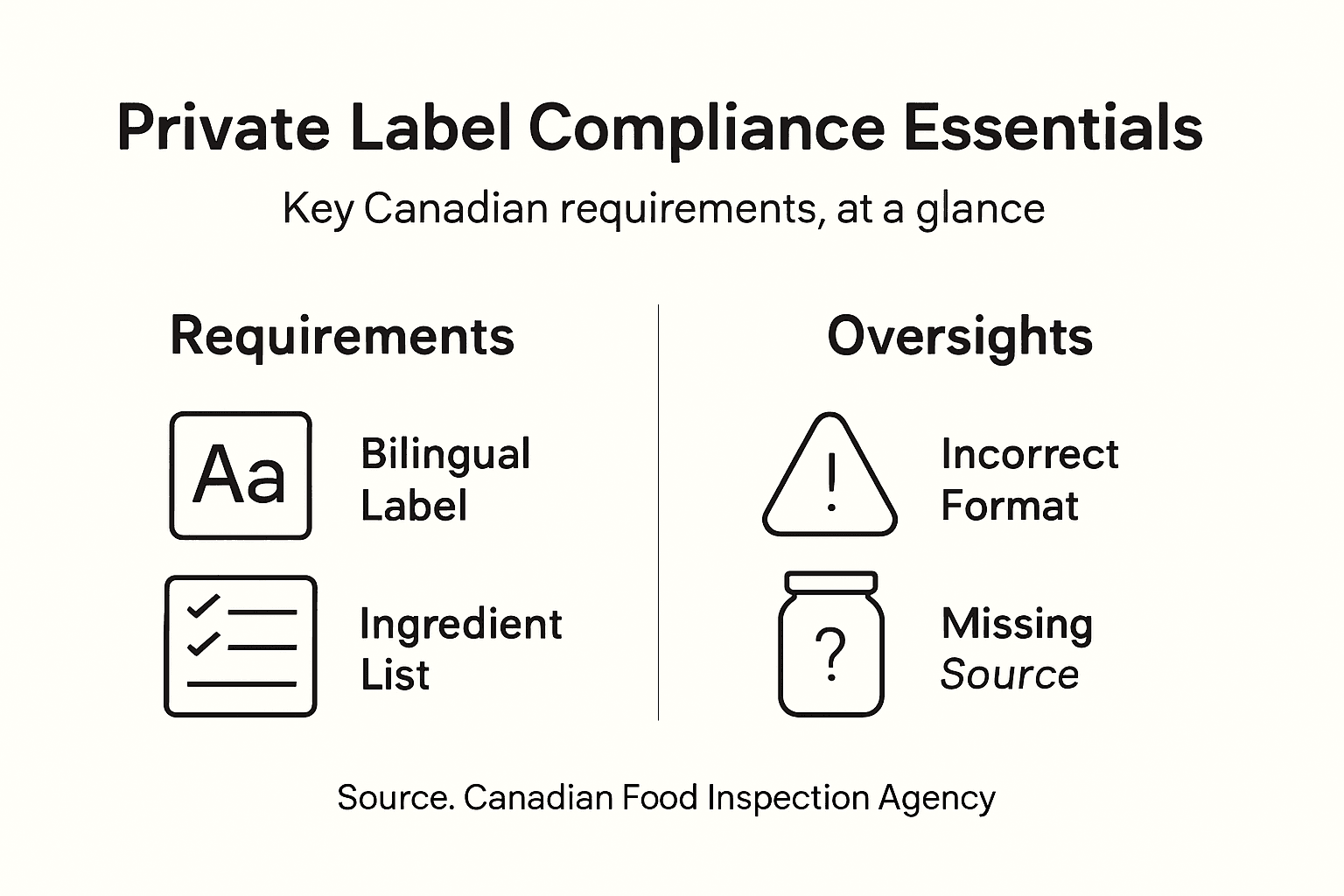
Beyond content requirements, there are formatting standards you need to follow. Consumer packaging and labelling regulations set mandatory specifications for font sizes, label placement, and information hierarchy. Your label designer needs to understand that this isn’t just marketing—it’s compliance documentation. Exemptions exist for certain products, but if your category isn’t exempted, you must comply or face penalties that could be substantial. Working with a packaging partner who understands Canadian regulations saves you countless headaches. They’ll know the rules, help you avoid costly mistakes, and ensure your private label products hit shelves legally compliant and ready to sell.
The compliance piece also extends to your supply chain. If you’re working with a manufacturer or co-packer, verify they understand Canadian labeling requirements. Miscommunications at this stage can result in thousands of units being produced with non-compliant labels, forcing expensive reprinting or worse. Getting compliance right from day one is far cheaper than fixing it after production.
Key compliance considerations for Canadian private label packaging are summarized below:
| Requirement | Why It Matters | Common Oversight |
|---|---|---|
| Bilingual Labeling | Meets federal regulations | English or French only shown |
| Accurate Nutrition Info | Supports consumer safety | Outdated or missing data |
| Dealer Identification | Traceable accountability | Incomplete or missing address |
| Allergen Declaration | Protects sensitive consumers | Unclear or buried disclosure |
Pro tip: Before designing your first private label, request a compliance checklist from your packaging supplier or the Canadian Food Inspection Agency to ensure you’re capturing every labeling requirement specific to your product category.
Risks, Costs, and Common Pitfalls
Private labeling sounds great until you hit the reality of execution. The opportunity is real, but so are the pitfalls. Understanding what can go wrong before you launch helps you avoid expensive mistakes and protects your investment. The risks fall into three main categories: supplier dependency, quality control, and financial exposure.
Supplier relationships are where most retailers encounter trouble. When you commit to a private label product, you’re often locking into partnerships with manufacturers or co-packers who become critical to your success. Risks in private label products include dependency on suppliers and quality control issues that can derail your entire strategy. If your supplier faces production delays, quality problems, or worse, goes out of business, your private label disappears from shelves. This hits customers who’ve grown to expect your exclusive products, and it damages your brand reputation. The solution is unglamorous but essential: diversify your suppliers whenever possible. Don’t rely on a single manufacturer for any critical product. Build relationships with backup suppliers who can step in if primary production fails.
Quality control presents another constant challenge. You’re not just buying finished products anymore. You’re responsible for ensuring consistency in taste, texture, appearance, and nutritional accuracy. With freeze-dried candy, for example, moisture content, color consistency, and flavor intensity must remain stable batch after batch. One bad shipment that hits your shelves can trigger customer complaints, returns, and damaged trust. Retailers must implement rigorous quality assurance protocols, which costs money and requires ongoing investment. Budget for regular testing, supplier audits, and quality monitoring. This isn’t overhead you can skip.
Financial costs often surprise new private label retailers. Initial investment includes product development, mold creation for custom packaging, compliance testing, minimum order quantities that might be thousands of units, and marketing to educate customers about your new brand. If your product underperforms, you’re sitting on inventory that won’t move. Conservative retailers often underestimate demand and miss sales opportunities, while aggressive ones overestimate and face slow-moving stock. Costs arise from investing in manufacturing upgrades and managing complex retailer-producer relationships that require constant communication and problem-solving. Start with modest order quantities and realistic sales projections.
Pro tip: Launch your first private label with a manufacturer who has experience serving multiple retailers in your product category, as they’ve already solved common problems and can guide you through pitfalls that would otherwise cost you thousands to discover yourself.
Elevate Your Private Label Strategy with Expert Freeze-Dried Candy Solutions
Building a successful private label brand demands precision in product quality, packaging compliance, and supply chain reliability. Challenges like navigating Canadian bilingual labeling requirements or managing supplier dependencies can hold your retail growth back. At Space Man, we specialize in helping Canadian retailers overcome these exact hurdles by providing premium freeze-dried candy manufacturing paired with private labeling, co-packing, and packaging services tailored to your unique needs.
Start turning your private label ambitions into rewarding realities today. Whether you are launching an economy, standard, or premium tier product, our experienced team offers comprehensive support to ensure your product not only meets regulatory standards but stands out on shelves. Visit Space Man to explore how our private labeling expertise can boost your retail appeal and improve profit margins dramatically. Take control of your brand experience and satisfy the growing Canadian demand for exclusive, high-quality products now.
Frequently Asked Questions
What are private label products?
Private label products are items designed, owned, and marketed under a retailer’s own brand name instead of a manufacturer’s brand. They are exclusive to the retailer and often sit alongside national brands.
How do private label products benefit retailers?
Private label products help retailers improve profit margins, create brand differentiation, and build customer loyalty by offering unique products that consumers can’t find elsewhere.
What types of private label product models exist?
There are three main tiers of private label products: economy, standard, and premium. Economy labels target budget-conscious shoppers, standard labels offer quality at competitive prices, and premium labels cater to affluent customers seeking high quality and exclusivity.
What are the critical compliance requirements for private label products?
Private label products must comply with specific regulations, including bilingual labeling, accurate nutritional information, allergen declarations, and dealer identification to ensure legality and consumer safety.