

Most Canadian candy shops notice how quickly trends shift when American snack habits inspire local buyers. With more health-conscious shoppers demanding cleaner ingredients and longer shelf life, retailers face fresh competition from innovative products. Understanding the differences between dehydrated and freeze-dried foods can open doors to meeting new demands while adding variety, and one standout fact is that freeze-dried methods can retain nearly 98% of a food’s nutritional value. This insight can guide smart choices about which offerings make the most sense for your shelves.
Table of Contents
- What Are Dehydrated And Freeze-Dried Foods
- Manufacturing Processes And Key Differences
- Nutrition, Texture, And Shelf Life Comparison
- Packaging, Labeling, And Safety Regulations
- Retail Applications And Market Opportunities
- Costs, Risks, And Common Mistakes To Avoid
Key Takeaways
| Point | Details |
|---|---|
| Nutritional Retention | Freeze-dried foods retain approximately 98% of their nutrients, while dehydrated foods retain about 60-80%. |
| Textural Differences | Freeze-dried products have a light, crisp texture; dehydrated foods are denser and chewier. |
| Shelf Life | Freeze-dried foods can last up to 25 years, whereas dehydrated foods generally last 1-5 years. |
| Market Positioning | Retailers should leverage the unique characteristics of each preservation method to target different consumer segments effectively. |
What Are Dehydrated And Freeze-Dried Foods
Food preservation techniques have evolved dramatically, offering innovative solutions for extending product shelf life and maintaining nutritional value. Dehydrated and freeze-dried foods represent two distinct methods of removing moisture from food, each with unique characteristics and applications for retail businesses.
Dehydrated foods are created through a traditional process involving heat and air circulation. When moisture is removed using this method, the resulting product becomes denser and can experience slight changes in taste and texture. Typically, dehydrators use warm air currents ranging between 95 to 165 degrees Fahrenheit to gradually extract water content from foods like fruits, vegetables, meats, and herbs.
Freeze-dried foods employ a more advanced technological approach. This method involves three critical stages: freezing the food, creating a vacuum environment, and then using sublimation to remove frozen water molecules directly from solid to gas state. The result is a lightweight product that retains approximately 98% of its original nutritional profile, color, and structural integrity. Canadian candy shop owners find freeze-dried products particularly appealing because they maintain vibrant colors and intense flavors compared to traditional dehydration techniques.
Pro tip: When selecting between dehydrated and freeze-dried foods for your retail inventory, consider conducting taste tests with your target customers to understand their flavor and texture preferences.
Manufacturing Processes And Key Differences
Food preservation technologies represent a complex landscape of specialized techniques designed to extend product shelf life and maintain nutritional integrity. Understanding the nuanced manufacturing processes behind dehydration and freeze-drying helps Canadian retailers make informed inventory decisions.
Food dehydration technologies encompass multiple approaches, including freeze-drying, spray-drying, and extrusion. Each method targets water reduction but achieves dramatically different results. Traditional dehydration employs heat and air circulation, causing significant structural changes in food products. Temperatures typically range from 95 to 165 degrees Fahrenheit, gradually extracting moisture and concentrating flavors.
Freeze-drying represents a more sophisticated preservation technique. The process begins with rapid freezing, then creates a vacuum environment where water molecules transition directly from solid to gas through sublimation. This method preserves approximately 98% of the original nutritional profile, color, and structural characteristics. While significantly more expensive than conventional drying methods, freeze-drying produces lightweight products with exceptional flavor retention and minimal nutrient degradation.
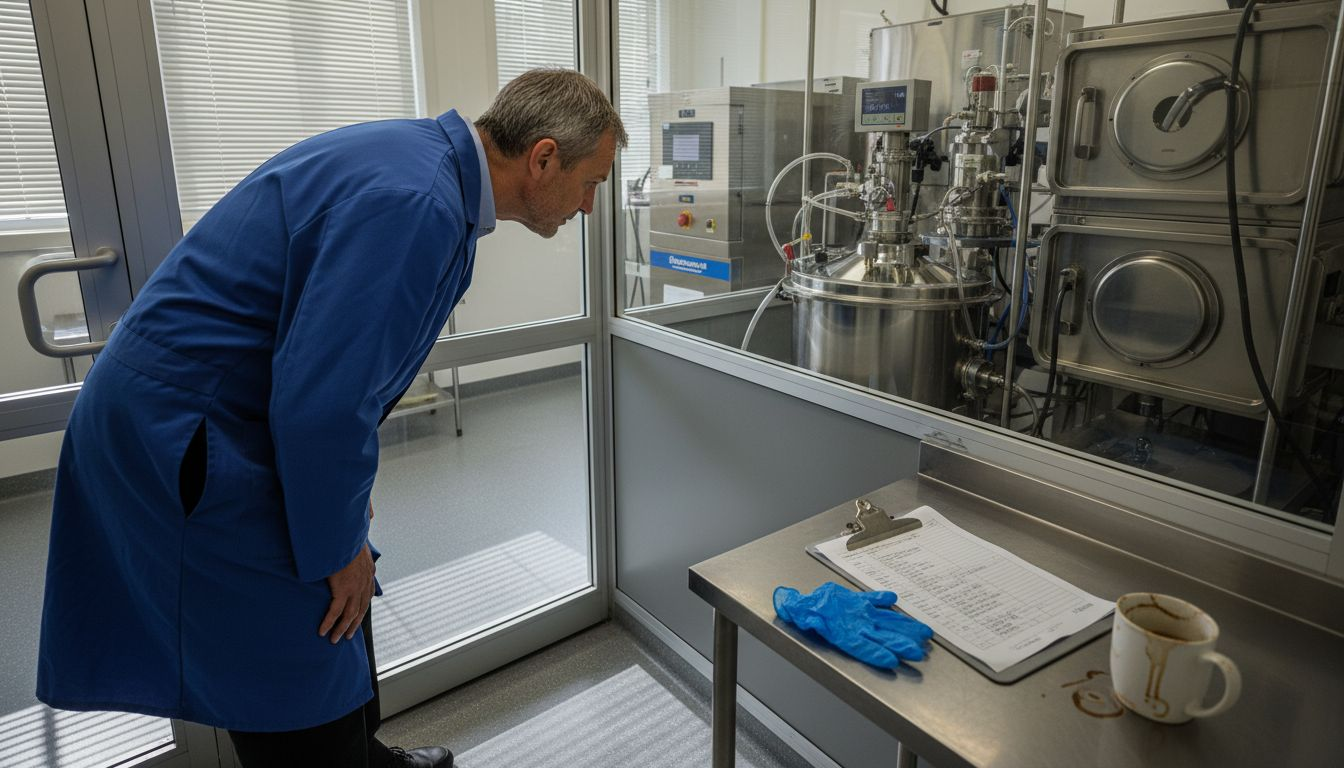
Key manufacturing differences include processing time, equipment complexity, and final product characteristics. Dehydration typically requires 6-12 hours, whereas freeze-drying can take 24-48 hours. Equipment costs also vary dramatically, with freeze-drying machinery representing a substantially higher initial investment for food manufacturers.
Pro tip: Consider running pilot production batches using both dehydration and freeze-drying techniques to understand the precise cost and quality implications for your specific product line.
Nutrition, Texture, And Shelf Life Comparison
Canadian retailers must understand the intricate differences between dehydrated and freeze-dried foods to make informed inventory and marketing decisions. Each preservation method dramatically impacts product characteristics, from nutritional value to consumer experience.
Nutritional retention represents a critical distinguishing factor between preservation techniques. Freeze-dried foods demonstrate remarkable nutrient preservation, typically retaining up to 97% of original nutritional content. In contrast, traditional dehydration methods preserve approximately 60-80% of nutrients due to prolonged heat exposure. This significant variance occurs because freeze-drying minimizes nutrient degradation by eliminating moisture through sublimation without extensive thermal processing.
Texture differences are equally pronounced. Freeze-dried products emerge with a uniquely light, crisp structure that rehydrates almost instantaneously, closely mimicking the original food’s shape and sensory qualities. Dehydrated foods, however, develop a denser, chewier texture with more concentrated flavors. These textural distinctions can significantly influence consumer preferences, particularly in markets like candy and snack production where mouthfeel and immediate sensory experience matter.
Shelf life represents another crucial consideration for retailers. Freeze-dried foods can maintain quality for up to 25 years when properly stored, compared to dehydrated products which typically remain stable for 1-5 years. This extended preservation potential makes freeze-dried options particularly attractive for long-term inventory management and emergency food supplies.
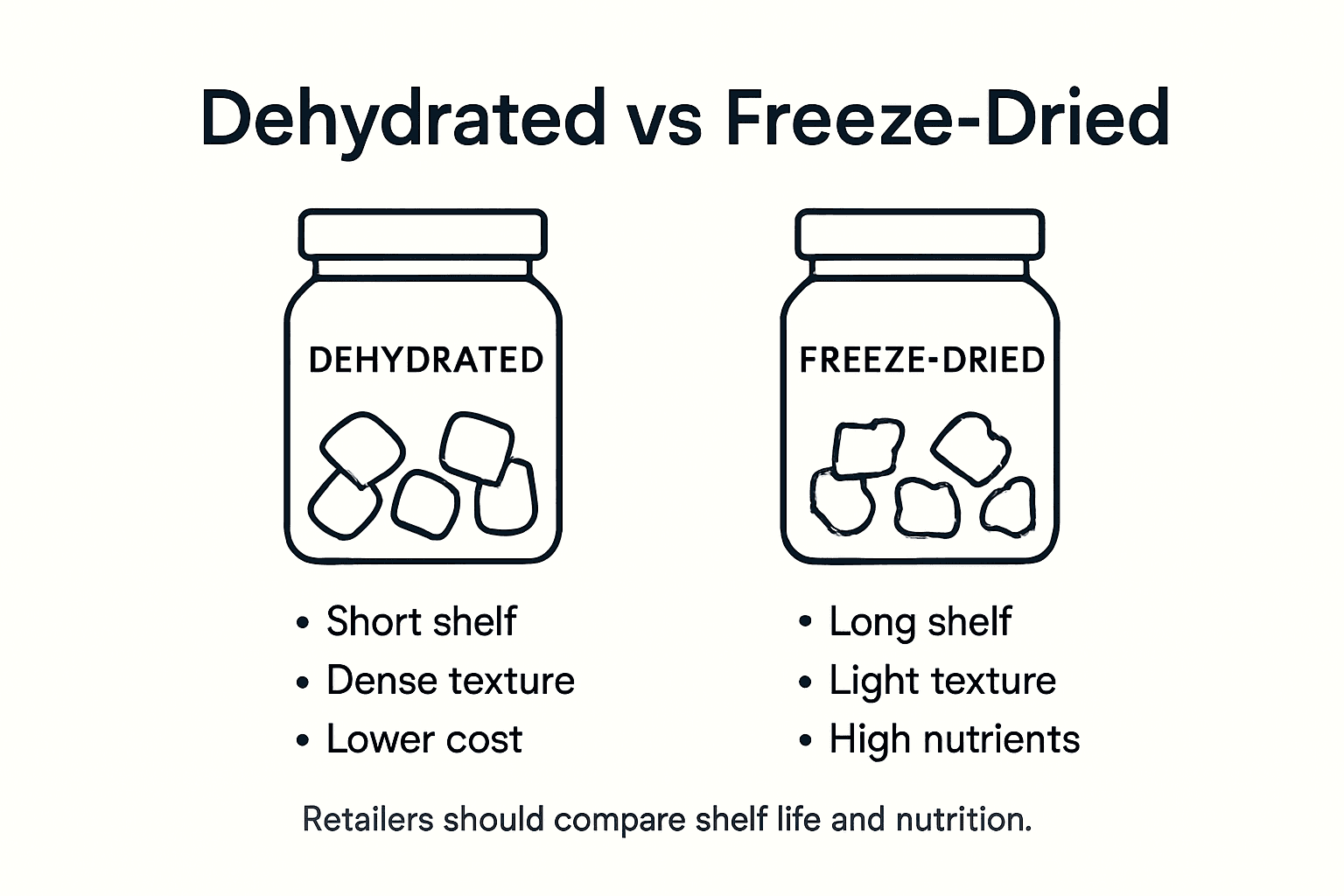
Here’s a comparison of key retail considerations for dehydrated and freeze-dried foods:
| Aspect | Dehydrated Foods | Freeze-Dried Foods |
|---|---|---|
| Production Cost | Lower, simple equipment | Higher, advanced machinery |
| Storage Needs | Standard dry storage | Specialized packaging required |
| Customer Appeal | Traditional, familiar texture | Novel, crisp texture attracts trend seekers |
| Ideal Markets | Bulk foods, snack mixes | Outdoor retail, gourmet, emergency aisle |
| Branding Potential | Economy and value focus | Premium quality and innovation angle |
Pro tip: Conduct periodic taste tests and shelf-life assessments of your preserved food inventory to ensure consistent quality and understand the practical differences between preservation methods.
Packaging, Labeling, And Safety Regulations
Navigation of packaging and labeling requirements is crucial for Canadian food retailers dealing with dehydrated and freeze-dried products. Regulatory compliance ensures consumer safety and builds trust in the marketplace.
Food packaging regulations mandate comprehensive information disclosure for all preserved food products, with specific guidelines governing freeze-dried and dehydrated items. Manufacturers must provide clear, legible labels containing essential details including the product name, complete ingredient list, net quantity, expiration date, operator information, and comprehensive nutritional facts. These requirements aim to promote transparency and enable consumers to make informed purchasing decisions.
Special attention must be given to allergen declarations and potential processing methods that could impact consumer health. Both freeze-dried and dehydrated foods require explicit identification of potential allergens, with minimum font sizes and prominence regulations ensuring critical health information is easily readable. Packaging materials must also meet stringent food-contact safety standards, preventing potential chemical migrations that could compromise product integrity or consumer well-being.
Canadian regulatory frameworks emphasize traceability and accountability. Retailers and manufacturers bear direct responsibility for accurate labeling, with potential legal consequences for misrepresentation. This includes precise declarations of processing methods, origin of ingredients, and any potential modifications to the original food product during preservation. Compliance involves not just listing information, but ensuring its accuracy, clarity, and accessibility to consumers.
Use this regulatory checklist for packaged dehydrated and freeze-dried retail foods:
| Compliance Area | Key Focus | Common Pitfall |
|---|---|---|
| Ingredient List | Full disclosure with details | Missing minor components |
| Allergen Labeling | Clear, prominent placement | Overlooked cross-contamination |
| Nutritional Facts | Accurate per portion size | Outdated or incomplete data |
| Expiration Date | Legible and easy to find | Ambiguous or missing date |
| Packaging Material | Food-contact approved | Use of non-certified materials |
Pro tip: Invest in regular label audits and maintain a comprehensive checklist of current regulatory requirements to ensure ongoing compliance and minimize potential legal risks.
Retail Applications And Market Opportunities
The Canadian food retail landscape presents dynamic opportunities for businesses exploring dehydrated and freeze-dried product lines. Understanding the unique market positioning of these preservation techniques can unlock significant revenue streams and consumer engagement strategies.
Canadian specialty food markets are experiencing a surge in demand for lightweight, long-shelf-life products that cater to health-conscious and convenience-seeking consumers. Freeze-dried offerings have particular appeal across multiple retail segments, including outdoor recreation, emergency preparedness, snack food, and specialty grocery channels. Their exceptional nutrient retention, compact packaging, and extended shelf life make them attractive to consumers seeking high-quality, portable food options.
Retail diversification strategies can leverage the distinctive characteristics of preserved foods. Specialty candy shops, gourmet grocers, and health food stores can differentiate themselves by offering innovative freeze-dried and dehydrated product lines. These preservation methods enable retailers to expand product ranges without significant inventory spoilage risks. Potential applications range from specialty snack mixes and instant meal solutions to unique confectionery products that provide intense flavor experiences with extended storage capabilities.
Emergent consumer trends highlight growing interest in sustainable, minimally processed food preservation techniques. Health-focused demographics are increasingly drawn to products that maintain nutritional integrity while offering convenience. Retailers can capitalize on this trend by developing curated product lines that showcase the versatility of freeze-dried and dehydrated foods, targeting outdoor enthusiasts, health-conscious consumers, and individuals seeking reliable, high-quality food storage solutions.
Pro tip: Develop strategic product sampling programs to educate consumers about the unique flavor and nutritional advantages of freeze-dried and dehydrated food offerings.
Costs, Risks, And Common Mistakes To Avoid
Successful retail strategies for dehydrated and freeze-dried products require nuanced understanding of financial implications and potential operational challenges. Canadian retailers must navigate complex considerations to maximize product potential while minimizing potential risks.
Production costs represent a significant differentiator between preservation techniques, with freeze-drying demanding substantially higher initial and operational investments. Freeze-dried equipment requires advanced technological infrastructure, resulting in elevated energy consumption and more complex processing protocols. Freeze-drying typically increases production expenses by 200-300% compared to traditional dehydration methods, necessitating careful pricing strategies and margin calculations for retailers.
Risk management becomes crucial when introducing preserved food products. Common mistakes include inadequate packaging selection, insufficient moisture protection, and overlooking consumer education requirements. Retailers must invest in oxygen- and moisture-proof packaging solutions to prevent product degradation. Additionally, comprehensive consumer communication about product preparation, rehydration techniques, and unique characteristics becomes essential for successful market penetration.
Market positioning demands strategic approach. While freeze-dried products offer superior nutritional preservation and sensory qualities, their higher production costs require targeted marketing and precise consumer segmentation. Budget-conscious retailers should conduct thorough market research, develop clear value propositions, and potentially create tiered product offerings that accommodate different consumer price sensitivities.
Pro tip: Implement rigorous quality control protocols and conduct periodic product sampling to ensure consistent preservation quality across different production batches.
Elevate Your Retail Offerings with Expert Freeze-Dried Solutions
Navigating the challenges of choosing between dehydrated and freeze-dried foods can be complex for Canadian retailers aiming to meet consumer demands for nutrition, texture, and shelf life. The article highlights key pain points such as balancing production costs, preserving nutrient integrity, ensuring packaging compliance, and capturing niche market segments with innovative products. If maintaining premium quality and extended shelf life while captivating your customers is a priority, partnering with a specialized manufacturer can transform your business.

Discover how Space-Man supports Canadian retailers and food entrepreneurs by providing expert freeze dried candy manufacturing and distribution services. We also offer private labeling, co-packing, and premium bagging and packaging solutions designed to preserve the crisp texture and vibrant flavors that set freeze-dried products apart. Whether you are expanding your product lineup or launching a new retail concept, now is the time to leverage advanced freeze-drying expertise and elevate your brand with assured quality. Visit our site today and take the first step toward offering your customers the best in preserved food innovation.
Frequently Asked Questions
What is the main difference between dehydrated and freeze-dried foods?
Dehydrated foods are made by removing moisture through heat and air circulation, resulting in a denser texture. Freeze-dried foods, on the other hand, are first frozen and then undergo sublimation in a vacuum, preserving their nutritional content and creating a lightweight, crisp product.
How does the nutritional value of dehydrated foods compare to that of freeze-dried foods?
Freeze-dried foods typically retain up to 97% of their original nutritional content, while dehydrated foods retain around 60-80% due to the longer exposure to heat during the dehydration process.
What are the shelf life differences between dehydrated and freeze-dried foods?
Freeze-dried foods can maintain their quality for up to 25 years when stored properly, compared to dehydrated foods, which generally have a shelf life of 1-5 years.
What should I consider when choosing between dehydrated and freeze-dried foods for my retail inventory?
Consider taste, texture, nutritional retention, production costs, and shelf life. Conducting taste tests with target customers can help determine their preferences, while also evaluating the cost-effectiveness based on your specific product line.
Recommended
- What Does Freeze Dried Food Look Like? Key Visual Markers – Spaceman
- Advantages of Freeze Dryers for Snack Businesses – Spaceman
- Freeze Dried Meat: Benefits, Uses, and Business Potential – Spaceman
- Freeze Dryer vs Food Dehydrator: Complete Guide – Spaceman
- Benefits Of Dairy Free Protein: Complete Guide