

Snacking has evolved from occasional indulgence to a defining feature of Canadian eating patterns. Over 60% of Canadians snack daily, with many replacing traditional meals with convenient bites. This shift reflects changing lifestyles, busier schedules, and a desire for unique flavors. Understanding what drives snack selection and which treats resonate across the country helps you make smarter choices that align with health goals, taste preferences, and budget. This guide explores the criteria Canadians use to choose snacks, highlights the most popular options, and compares categories to help you navigate the growing snack landscape.
Table of Contents
- Key takeaways
- How to choose snacks: key criteria for Canadian consumers
- Top snacking options popular across Canada
- Comparing popular snack choices: health, indulgence, and convenience
- Making smart snack choices for different occasions and lifestyles
- Explore premium Canadian snack services with Spaceman
- Frequently asked questions about snacking habits in Canada
Key Takeaways
| Point | Details |
|---|---|
| Daily snacking majority | More than 60 percent of Canadians snack daily, reflecting a broad daily snacking trend across ages. |
| Meal replacement by snacks | Many people replace traditional meals with snacks due to busy schedules and a preference for convenient bites. |
| Health and indulgence tradeoff | Consumers increasingly seek snacks with protein and fiber while balancing bold flavors and indulgence. |
| Value via multipacks | Multipacks and smaller portions offer better value for budget conscious households and support frequent snacking. |
How to choose snacks: key criteria for Canadian consumers
Selecting the right snack involves balancing convenience, health, taste, and value. Canadians prioritize portability for on-the-go consumption, whether commuting, working remotely, or managing busy family schedules. Younger generations lead snackification due to convenience, affordability, and lifestyle shifts that favor frequent small meals over traditional dining patterns.
Health considerations shape many purchasing decisions. Consumers increasingly seek snacks with high protein, fiber, and reduced sugar or sodium. Yet the tension between health and indulgence influences demand, with many opting for treats that deliver satisfying crunch and bold flavors alongside nutritional benefits. Understanding the nutritional value of freeze-dried food helps you evaluate emerging options that preserve nutrients while offering unique textures.
Texture and flavor profiles matter significantly. Crunchy snacks dominate preferences, while adventurous consumers explore global flavors like sweet chili, sriracha, and exotic fruit blends. Ethical sourcing and Made in Canada labels appeal to buyers who value local production and sustainable practices. Economic factors also play a role, with multipacks and smaller portion sizes offering better value for budget-conscious households.
Pro Tip: When evaluating snacks, check ingredient lists for whole foods and minimal additives. Snacks with recognizable ingredients often deliver better nutrition without sacrificing taste.
Key criteria for snack selection:
- Convenience and portability for busy lifestyles
- Health attributes like protein, fiber, and low sugar
- Texture preferences emphasizing crunch and unique mouthfeel
- Ethical sourcing and local production appeal
- Value through multipacks and portion control
Top snacking options popular across Canada
Canadian snack preferences blend traditional favorites with emerging trends. Chocolate bars continue to dominate candy sales, but sour candies and gummies are rising, especially among younger consumers who seek intense flavors and novel textures. Imported and U.S. novelty snacks add variety to the market, introducing unique options that differentiate from mainstream offerings.
Bold global flavors drive innovation. Consumers gravitate toward snacks featuring international spices, tropical fruits, and fusion combinations that deliver memorable taste experiences. Limited-time offers create urgency and encourage trial, while multipacks provide convenience and value for households that snack frequently. Understanding sourcing Canadian candy helps retailers and consumers access quality products that meet local preferences.
Freeze-dried snacks represent a growing category that combines health benefits with distinctive crunch. These products retain most nutrients while offering extended shelf life and portability. Candy manufacturers increasingly experiment with freeze-dried versions of classic treats, creating lighter alternatives that appeal to health-conscious consumers without eliminating indulgence.
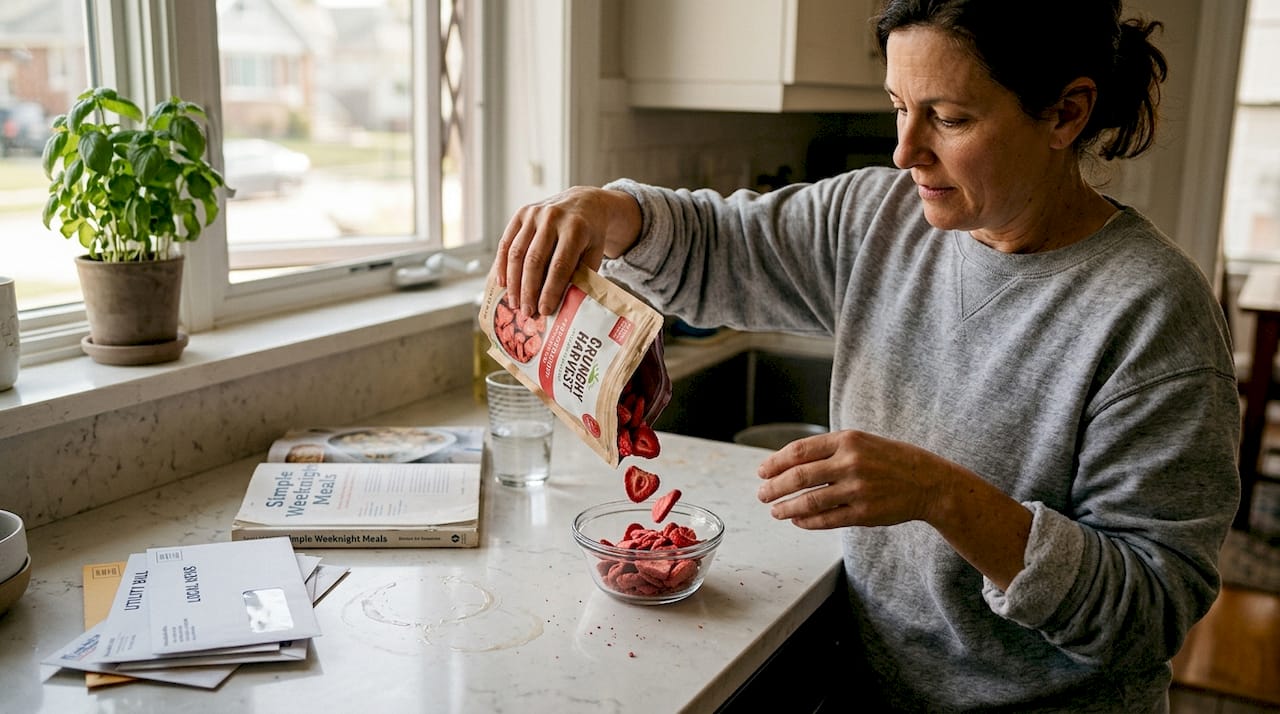
Packaging innovation also influences choices. Eye-catching designs and resealable formats enhance convenience while reducing waste. Creative candy packaging attracts attention on crowded shelves and communicates product benefits effectively.
Most popular snack categories:
- Chocolate bars and premium chocolate treats
- Sour candies and fruit-flavored gummies
- Imported novelty snacks with unique flavors
- Freeze-dried fruits and candies
- Protein bars and fiber-rich options
Top reasons Canadians choose specific snacks:
- Bold and adventurous flavor profiles
- Satisfying crunch and texture variety
- Convenient multipack formats
- Limited-time seasonal offerings
- Value pricing for frequent consumption
Comparing popular snack choices: health, indulgence, and convenience
Evaluating snacks across key factors helps you make informed decisions that align with your goals. Healthy snacks feature high protein, fiber, and low sugar, while indulgence persists with candy and crunch-focused options that prioritize taste over nutrition. The table below compares common snack categories based on health attributes, taste appeal, and convenience factors.
| Snack Category | Health Benefits | Indulgence Factor | Convenience |
|---|---|---|---|
| Protein bars | High protein, fiber | Moderate sweetness | Portable, individual packs |
| Freeze-dried fruit | Nutrients retained, low calorie | Natural sweetness, crunch | Lightweight, resealable |
| Chocolate bars | Minimal (antioxidants in dark) | Rich flavor, creamy texture | Widely available, single serve |
| Sour candies | Low (high sugar) | Intense flavor, chewy | Shareable packs, portable |
| Veggie chips | Fiber, some vitamins | Savory crunch | Resealable bags, multipacks |
Health-focused snacks often feature whole ingredients, minimal processing, and functional benefits like sustained energy or improved digestion. Indulgent options emphasize sensory satisfaction through bold flavors, satisfying textures, and nostalgic appeal. Convenience factors include portability, shelf stability, and packaging that supports on-the-go consumption.
Eco-conscious packaging increasingly influences purchase decisions. Consumers favor brands that use recyclable materials, reduce plastic waste, and communicate sustainability commitments clearly. Understanding eco-friendly snack packaging helps you identify products that align with environmental values.
Freeze-dried snacks occupy a unique position by combining health benefits with indulgent textures. These products retain most vitamins and minerals while delivering the satisfying crunch consumers crave. The benefits of freeze-dried snacks include extended shelf life, reduced weight for portability, and versatility for various dietary preferences.
Pro Tip: Balance your snack choices throughout the week by alternating between health-focused options and indulgent treats. This approach satisfies cravings while supporting overall nutrition goals.
Making smart snack choices for different occasions and lifestyles
Snacking patterns vary significantly based on occasion, time of day, and lifestyle factors. 32% of Canadians snack late at night, exceeding global averages and reflecting casual, screen-based eating habits that have intensified with remote work and digital entertainment. Choosing appropriate snacks for each occasion optimizes satisfaction while supporting health and budget goals.
The snack-as-meal trend continues growing, driven by convenience and changing work patterns. Meal replacement with snacks occurs more frequently among Gen Z and Millennials who prioritize flexibility over traditional dining schedules. Work-from-home arrangements encourage frequent snacking throughout the day, with easy kitchen access replacing structured lunch breaks.
Late-night snacks should emphasize lighter options that won’t disrupt sleep or cause digestive discomfort. Fresh fruit, yogurt, or small portions of nuts provide satisfaction without excessive calories or sugar. For meal replacement scenarios, protein-rich snacks combined with fiber help maintain energy levels and satiety until the next proper meal.
Value multipacks suit budget-conscious consumers who snack regularly. These formats reduce per-serving costs while ensuring variety and convenience. Understanding freeze-dried snacks benefits helps you identify versatile options suitable for multiple occasions, from quick breakfasts to portable lunches.
Occasion-based snack selection:
- Late-night: Light, easily digestible options like fruit or yogurt
- Work-from-home: Protein bars, nuts, or veggie snacks for sustained energy
- Family gatherings: Shareable multipacks with variety
- Travel: Portable, non-perishable freeze-dried or packaged treats
- Post-workout: High-protein options supporting recovery
Lifestyle considerations for snack planning:
- Assess daily snacking frequency and timing patterns
- Match snack types to energy needs and activity levels
- Choose formats that fit your routine and storage options
- Balance health goals with taste preferences and budget
- Explore candy distribution trends to discover emerging options
Explore premium Canadian snack services with Spaceman
Navigating the evolving snack landscape becomes easier when you partner with experts who understand market trends and consumer preferences. Spaceman offers comprehensive private label, co-packing, and packaging services that help businesses create customized snack products tailored to Canadian tastes. Whether you’re launching a new brand or expanding existing offerings, our team provides the expertise and infrastructure to bring your vision to market efficiently.
Our freeze-dried candy manufacturing capabilities deliver unique products that combine health benefits with indulgent textures consumers crave. We also support direct-to-consumer sales through e-commerce, making premium snacks accessible nationwide. Explore our full product range to discover how Spaceman can elevate your snack offerings and meet growing demand for innovative, quality treats.
Frequently asked questions about snacking habits in Canada
What age group snacks the most in Canada?
Gen Z and Millennials lead snacking frequency, often replacing traditional meals with convenient bites throughout the day. These younger generations prioritize flexibility and diverse flavor experiences over structured dining patterns.
How common is meal replacement with snacks?
Approximately 65% of Canadians replace meals with snacks at least monthly, with higher frequency among young adults. This trend reflects busier lifestyles, remote work patterns, and shifting attitudes toward traditional mealtimes.
What are the top candy types Canadians prefer?
Chocolate bars remain the most popular candy choice, while sour candies and fruit-flavored gummies show strong growth, especially among younger consumers. Imported novelty snacks also gain traction for unique flavor profiles.
Is late-night snacking a big trend in Canada?
Yes, 32% of Canadians snack late at night, surpassing global averages. This habit often accompanies screen-based entertainment and reflects casual eating patterns that have intensified with remote work and digital lifestyles.
Are Canadians interested in healthier snack options?
Demand for healthier snacks continues rising, with consumers seeking high protein, fiber, and reduced sugar options. However, indulgent treats remain popular, creating a balance between nutrition-focused and pleasure-driven snacking occasions.