

Finding reliable ways to satisfy health-conscious customers is no small feat for Canadian candy shop owners. With American snack trends reshaping consumer expectations, freeze-dried foods offer a promising solution. Freeze-drying preserves up to 97 percent of nutrients, setting these snacks apart from traditional choices. Understanding how freeze-dried foods compare nutritionally helps you make smarter product decisions that appeal to today’s ingredient-savvy shoppers.
Table of Contents
- Defining Freeze-Dried Food And Common Myths
- Types Of Freeze-Dried Snacks And Distinctions
- The Freeze-Drying Process And Nutrient Retention
- Nutritional Profile Compared To Regular Candy
- Health Risks, Consumer Trends, And Label Considerations
Key Takeaways
| Point | Details |
|---|---|
| Advanced Preservation Technique | Freeze-drying preserves up to 97% of nutrients, offering a significant advantage over traditional dehydration methods. |
| Wide Variety of Snacks | Freeze-dried snacks encompass fruits, vegetables, meats, dairy, and composites, catering to diverse consumer preferences. |
| Consumer Education is Key | Transparent labeling and education about freeze-drying help build consumer trust and acceptance in the market. |
| Health-Conscious Options | Freeze-dried products maintain the nutritional profile of traditional foods while providing concentrated flavors and portable formats. |
Defining Freeze-Dried Food and Common Myths
Freeze-drying represents a sophisticated food preservation technique that transforms the way Canadian snack shops approach product storage and nutrition. This process involves freezing food and removing moisture through sublimation, creating lightweight, nutrient-dense products that challenge traditional preservation methods.
At its core, freeze-drying is a scientific marvel that maintains food’s original structure while dramatically extending shelf life. Unlike traditional dehydration methods, freeze-drying preserves up to 97% of original nutrients, ensuring that snack manufacturers can deliver high-quality products without significant nutritional compromise. The technique works by rapidly freezing food, then creating a vacuum environment that allows ice to transform directly from solid to gas, skipping the liquid phase entirely.
Several persistent myths surround freeze-dried foods that deserve careful examination. Contrary to popular belief, these products are not artificial or nutritionally depleted. They retain most vitamins, minerals, and cellular structures, making them an excellent option for health-conscious consumers. The porous structure created during freeze-drying actually enables faster rehydration and maintains the food’s original color, shape, and flavor profile.
Pro tip: When selecting freeze-dried ingredients for snack production, request detailed nutrient retention certificates to validate the preservation quality of your chosen process.
Here’s how freeze-drying compares to traditional dehydration methods for snack products:
| Aspect | Freeze-Drying | Traditional Dehydration |
|---|---|---|
| Nutrient Retention | Up to 97% preserved | Significant nutrient loss |
| Texture | Light, crispy, porous | Dense, chewy or brittle |
| Color & Flavor | Maintains vibrant colors | Often faded or altered |
| Shelf Life | Extremely long, up to years | Moderate, subject to moisture |
Types of Freeze-Dried Snacks and Distinctions
Freeze-dried snacks represent a revolutionary category of preserved foods, offering Canadian snack shops unprecedented diversity and nutritional flexibility. Freeze-dried products span multiple food categories, including fruits, vegetables, meats, dairy, and innovative composite snacks, each maintaining unique sensory and chemical characteristics through advanced preservation techniques.
Within the freeze-dried snack spectrum, different food types undergo specialized processing that preserves their inherent nutritional profile. Fruits emerge as lightweight, crispy versions of their original selves, retaining vibrant colors and concentrated flavors. Vegetable-based freeze-dried snacks offer nutrient-dense alternatives to traditional chips, providing intense taste without compromising nutritional integrity. Protein-rich options like meats and dairy products transform into convenient, shelf-stable formats that appeal to health-conscious consumers seeking portable nutrition.
Innovative hybrid freeze-drying methods have further expanded snack possibilities for manufacturers. These advanced techniques combine traditional freeze-drying with complementary technologies, reducing processing time and energy consumption while maintaining optimal sensory qualities. Such innovations enable Canadian snack producers to develop increasingly sophisticated products that meet evolving consumer demands for convenient, nutritionally robust snacking options.
Pro tip: Experiment with blending different freeze-dried ingredients to create unique flavor combinations that distinguish your snack offerings from competitors.
This summary highlights types of freeze-dried snacks and their advantages for Canadian snack shops:
| Snack Type | Key Features | Consumer Appeal |
|---|---|---|
| Fruits | Crisp, concentrated flavor | Healthy, colorful snacks |
| Vegetables | Nutrient-dense, crunchy | Alternative to chips |
| Meats & Dairy | Protein-rich, shelf-stable | Portable, nutritious |
| Composite | Unique blends, innovative | Creative flavor options |
The Freeze-Drying Process and Nutrient Retention
Freeze-drying represents a sophisticated food preservation technique that goes far beyond traditional dehydration methods. The process involves freezing food and sublimating water under precise vacuum conditions at extremely low temperatures, ensuring maximum preservation of nutritional and sensory qualities while minimizing thermal and oxidative damage.
The intricate process protects the physical structure of foods, particularly critical for plant-based and biological products. By maintaining an ultralow temperature environment, freeze-drying uniquely maintains the integrity of complex nutritional compounds. Plant-based ingredients undergo remarkable transformation, with the technique preserving antioxidants, vitamins, phenolic compounds, and other delicate bioactive elements that would typically degrade under conventional preservation methods.
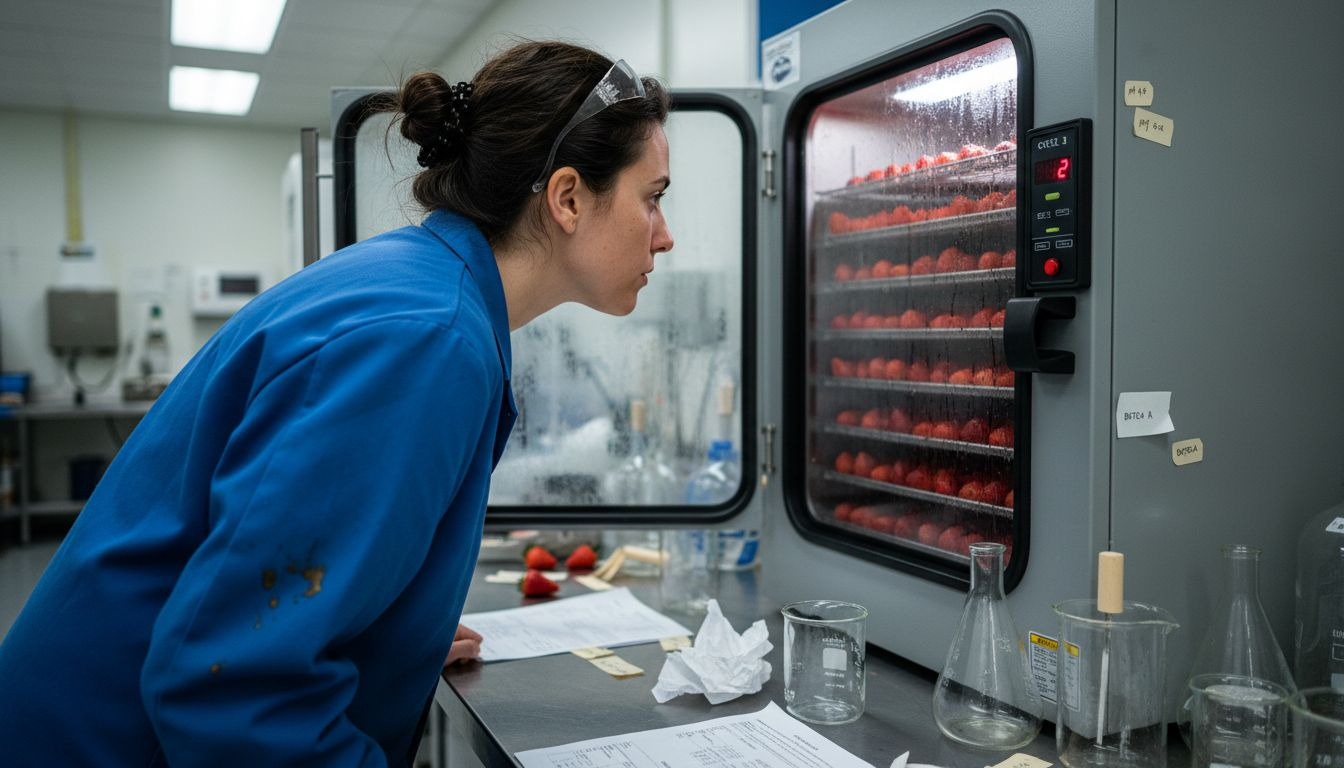
Recent technological innovations have further enhanced freeze-drying capabilities for Canadian snack manufacturers. Hybrid technologies now improve drying kinetics and energy efficiency without compromising nutrient retention. These advancements address previous challenges related to processing time and energy consumption, making freeze-dried products increasingly attractive for health-conscious consumers seeking nutrient-dense, lightweight, and shelf-stable food options.
Pro tip: Invest in high-quality temperature monitoring equipment to ensure consistent nutrient preservation during your freeze-drying processes.
Nutritional Profile Compared to Regular Candy
Canadian snack manufacturers face an important challenge in understanding the nutritional nuances of freeze-dried candy. While freeze-dried candies maintain the same basic nutritional composition as traditional options, the removal of moisture creates subtle but significant differences, presenting both opportunities and considerations for health-conscious consumers.
The fundamental nutritional profile remains remarkably consistent between regular and freeze-dried candy. Sugar content, calories, and core ingredients essentially stay unchanged during the freeze-drying process. However, the critical distinction lies in nutrient concentration and sensory experience. By removing moisture, freeze-dried candies become more compact and intense, which means consumers might consume smaller quantities while experiencing the same flavor profile. This concentration can potentially impact portion control and overall sugar intake.
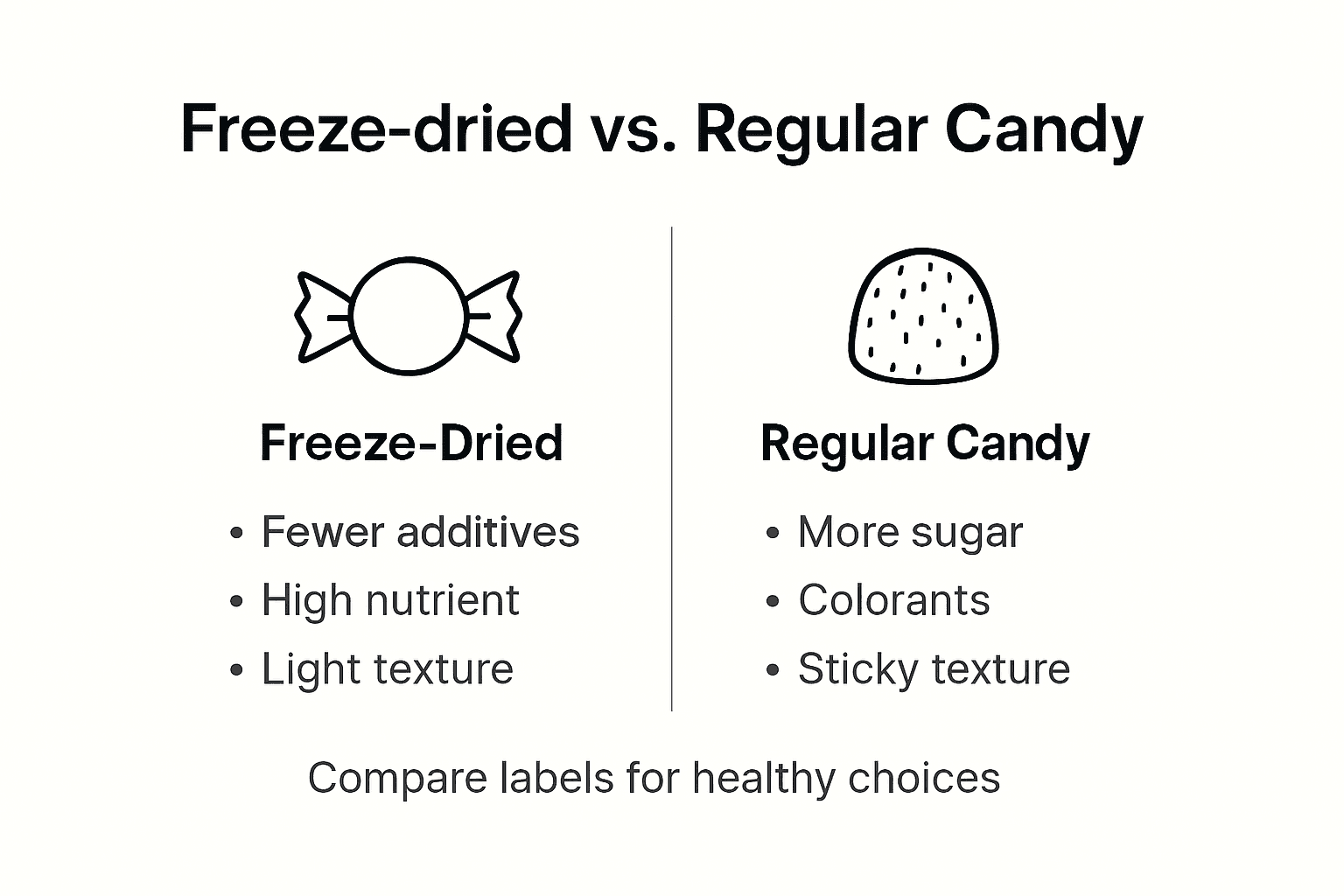
Nutrient preservation represents another fascinating aspect of freeze-dried products. Unlike traditional candy processing methods that can degrade vitamins and antioxidants through heat exposure, freeze-drying helps maintain more of the original nutritional elements. Vitamins C and other delicate compounds remain more intact, offering a marginally more nutritionally robust alternative to standard candy. This preservation occurs without fundamentally altering the candy’s fundamental nutritional makeup, making freeze-dried options an intriguing choice for discerning Canadian snack enthusiasts.
Pro tip: Always compare nutritional labels and serving sizes when introducing freeze-dried candy to ensure accurate dietary tracking and portion management.
Health Risks, Consumer Trends, and Label Considerations
Navigating the complex landscape of consumer perceptions presents a significant challenge for Canadian snack manufacturers exploring freeze-dried food markets. Consumer health perceptions strongly influence acceptance of freeze-dried products, with younger demographics expressing heightened skepticism about nutritional quality and potential additives, making transparent communication and education critical strategies.
Nutrition labeling emerges as a powerful tool in addressing consumer concerns and building trust. Detailed, clear labeling helps demystify freeze-dried food production, providing consumers with comprehensive information about nutritional content, ingredients, and processing methods. By implementing front-of-package labeling that highlights key nutritional attributes, manufacturers can proactively address potential health concerns and demonstrate the comparable nutritional value of freeze-dried products to traditional food options.
Regulatory compliance and consumer education represent interconnected pathways to market acceptance. Canadian snack shops must not only adhere to stringent food safety regulations but also develop targeted communication strategies that explain the scientific principles behind freeze-drying. Emphasizing nutrient preservation, minimal processing, and the absence of artificial preservatives can help counteract misconceptions and build consumer confidence in these innovative food technologies.
Pro tip: Develop multilayered consumer education materials that transparently explain your freeze-drying process, focusing on scientific accuracy and nutritional benefits.
Unlock the Full Potential of Freeze-Dried Snacks for Your Canadian Business
The article highlights the challenge Canadian snack shops face in preserving nutrient quality and delivering innovative freeze-dried products that meet consumer expectations. Maintaining nutrient retention up to 97 percent and creating vibrant, flavorful snacks is essential to stand out. At the same time, managing packaging, private labeling, and co-packing processes efficiently can feel overwhelming.
At Space-Man, we specialize in helping Canadian manufacturers and retailers overcome these challenges with expert freeze-dried candy production, comprehensive packaging solutions, and customized private labeling. Our expertise ensures your products maintain superior nutritional profiles and sensory qualities while presenting beautifully to consumers. Partnering with us means you can focus on your product innovation while we handle the technical and regulatory complexities involved.
Discover our services and how we create shelf-stable, nutrient-rich snacks that captivate customers.
Elevate your snack offerings today by tapping into advanced freeze-drying manufacturing and tailored packaging solutions. Visit Space-Man now to get started with personalized support that empowers your business to lead in the Canadian snack market.
Frequently Asked Questions
What is freeze-dried food and how does it differ from traditional dehydrated food?
Freeze-dried food involves a sophisticated process that freezes food and removes moisture through sublimation, preserving up to 97% of its original nutrients. Traditional dehydration methods often result in significant nutrient loss.
How does freeze-drying impact the nutritional value of snacks?
Freeze-drying maintains the food’s nutritional integrity by protecting vitamins, minerals, and other essential compounds that can degrade through heat exposure, resulting in a more healthful snack option compared to conventional methods.
What types of snacks can be freeze-dried?
A wide variety of snacks can be freeze-dried, including fruits, vegetables, meats, dairy products, and innovative composite snacks that blend different ingredients. Each type maintains its unique flavor and nutritional profile through the freeze-drying process.
Are freeze-dried candies healthier than regular candies?
While freeze-dried candies maintain a similar nutritional composition to regular options, the removal of moisture creates a more concentrated product. This enhanced flavor profile may lead to smaller portion sizes, potentially allowing for better portion control of sugar intake.
Recommended
- Advantages of Freeze Dryers for Snack Businesses – Spaceman
- Dehydrated Food vs Freeze-Dried Food: Impact on Retail – Spaceman
- Complete Guide to Benefits of Freeze Dried Fruit – Spaceman
- What Can I Freeze Dry: Complete Guide for 2025 – Spaceman
- Thanksgiving Feast for Fido: What’s Safe to Share and What to Skip – iPupPee