

Most Canadian retailers and distributors face tough decisions when calculating how long freeze dried fruit stays safe and flavorful on their shelves. With some American suppliers claiming a shelf life of up to 25 years, understanding actual product quality over time becomes essential for confident inventory management. This guide reveals what affects freeze dried fruit shelf life, helping you offer fresher choices and reduce costly waste in your business.
Table of Contents
- Defining Freeze Dried Fruit And Shelf Life
- Types Of Freeze Dried Fruit And Key Differences
- Freeze Drying Process And Its Impact
- Factors Influencing Shelf Life Duration
- Optimal Storage, Packaging, And Rotation Practices
- Recognizing Spoilage And Shelf Life Limitations
Key Takeaways
| Point | Details |
|---|---|
| Freeze Dried Fruit Preservation | The freeze drying process removes moisture, enabling long shelf life and preservation of flavor, texture, and nutrients. |
| Optimal Storage Practices | Store freeze dried fruit in airtight, moisture-resistant packaging in cool, dark environments to maximize shelf life. |
| Quality Control Importance | Regularly monitor packaging integrity and conduct sensory evaluations to proactively identify spoilage risks and maintain product quality. |
| Inventory Management | Implement First In, First Out (FIFO) practices and track production dates to minimize waste and ensure product freshness. |
Defining Freeze Dried Fruit and Shelf Life
Freeze dried fruit represents an innovative food preservation technique that transforms fresh produce into a lightweight, long-lasting product. By removing water through specialized freezing processes, manufacturers create a stable food item that maintains most of its original nutritional profile and flavor characteristics.
The freeze drying process involves rapidly freezing fruit and then reducing surrounding atmospheric pressure, which allows frozen water to sublimate directly from solid to gas without passing through a liquid state. This method effectively eliminates moisture, which prevents microbial growth and enzymatic reactions that typically cause food spoilage. Unlike traditional dehydration methods, freeze drying preserves the fruit’s cellular structure, color, and most of its original nutrients.
Shelf life for freeze dried fruit is remarkably extensive, typically ranging from 10 to 25 years when stored correctly. Proper storage conditions include keeping the product in airtight containers, away from direct sunlight, and in cool environments with low humidity. These preservation conditions ensure that the fruit retains its quality, taste, and nutritional value for an extended period.
Pro tip: Invest in high-quality, moisture-resistant packaging to maximize your freeze dried fruit’s shelf stability and protect your inventory investment.
Types of Freeze Dried Fruit and Key Differences
Freeze dried fruits offer remarkable diversity, with each type presenting unique characteristics and preservation qualities. Different fruits exhibit distinct processing behaviors that impact their final texture, flavor intensity, and nutritional retention. Common varieties include strawberries, bananas, apples, and mixed berries, each bringing its own set of qualities to the freeze drying process.
Strawberries typically become extremely crisp and maintain a vibrant red color, making them popular for snacking and baking. Bananas often transform into a lighter, more delicate texture with concentrated sweetness. Apples tend to retain their structural integrity, becoming crunchy while preserving most of their original flavor profile. Mixed berry blends offer complex flavor combinations, allowing manufacturers to create interesting and appealing product variations.
The variation in water content and chemical composition significantly impacts each fruit’s freeze drying characteristics. Some fruits require longer processing times, while others dry more quickly. Factors like sugar content, cellular structure, and initial moisture levels determine how effectively a particular fruit type can be transformed through freeze drying. Retailers and food manufacturers must understand these nuanced differences to select and market freeze dried fruit products strategically.
Here’s a comparison of common freeze dried fruits and their unique characteristics:
| Fruit Type | Texture After Drying | Flavor Profile | Typical Uses |
|---|---|---|---|
| Strawberries | Crisp, airy, vibrant red | Intense, tart-sweet | Snacks, toppings |
| Bananas | Light, delicate slices | Sweet, mild | Cereals, smoothies |
| Apples | Crunchy, retains shape | Mild, refreshing | Trail mixes, baking |
| Mixed Berries | Mixed textures, colorful | Complex, tangy-sweet | Baking, snack blends |
Pro tip: Conduct systematic taste testing and texture assessments across different fruit types to identify the most appealing freeze dried options for your target market.
Freeze Drying Process and Its Impact
Advanced freeze drying techniques represent a sophisticated food preservation method that transforms fresh produce through a precise three-stage process. The technique begins with pre-freezing fruits at extremely low temperatures, typically below -40°C, which stabilizes the product’s cellular structure and prepares it for moisture removal. This initial freezing stage is critical for maintaining the fruit’s original nutritional integrity and sensory qualities.
The process then transitions into two distinct drying phases. The primary drying stage, known as sublimation, involves creating a vacuum environment that allows frozen water to transform directly from solid to gas, bypassing the liquid state entirely. This unique mechanism preserves up to 95% of the fruit’s original nutrients, flavors, and vibrant colors. The secondary drying phase removes any remaining bound water molecules, further enhancing the product’s stability and shelf life.
Vacuum drying conditions play a crucial role in determining the final quality of freeze dried fruits. While the method requires significant energy investment, it offers unparalleled advantages over traditional dehydration techniques. Retailers and food manufacturers benefit from a lightweight product that retains most of its original characteristics, with minimal nutritional degradation and extended storage potential. The ability to preserve fruits in such a pristine state opens up numerous opportunities for innovative food product development.
Pro tip: Invest in high-quality freeze drying equipment with precise temperature and pressure controls to maximize product quality and consistency.
Factors Influencing Shelf Life Duration
Packaging quality represents the most critical factor in preserving freeze dried fruit’s longevity. Advanced packaging materials like PET/AL/PE laminated pouches create robust barriers against moisture and oxygen, dramatically extending product shelf life. These specialized packaging solutions prevent external environmental contamination while maintaining the fruit’s original nutritional profile and sensory characteristics.
Environmental storage conditions play an equally significant role in determining product durability. Temperature, humidity, and light exposure directly impact the preservation process. Optimal storage conditions include maintaining consistent cool temperatures, minimizing humidity, and protecting products from direct sunlight. Temperatures below 70°F and humidity levels under 50% can prevent molecular degradation and minimize oxidative reactions that compromise fruit quality.
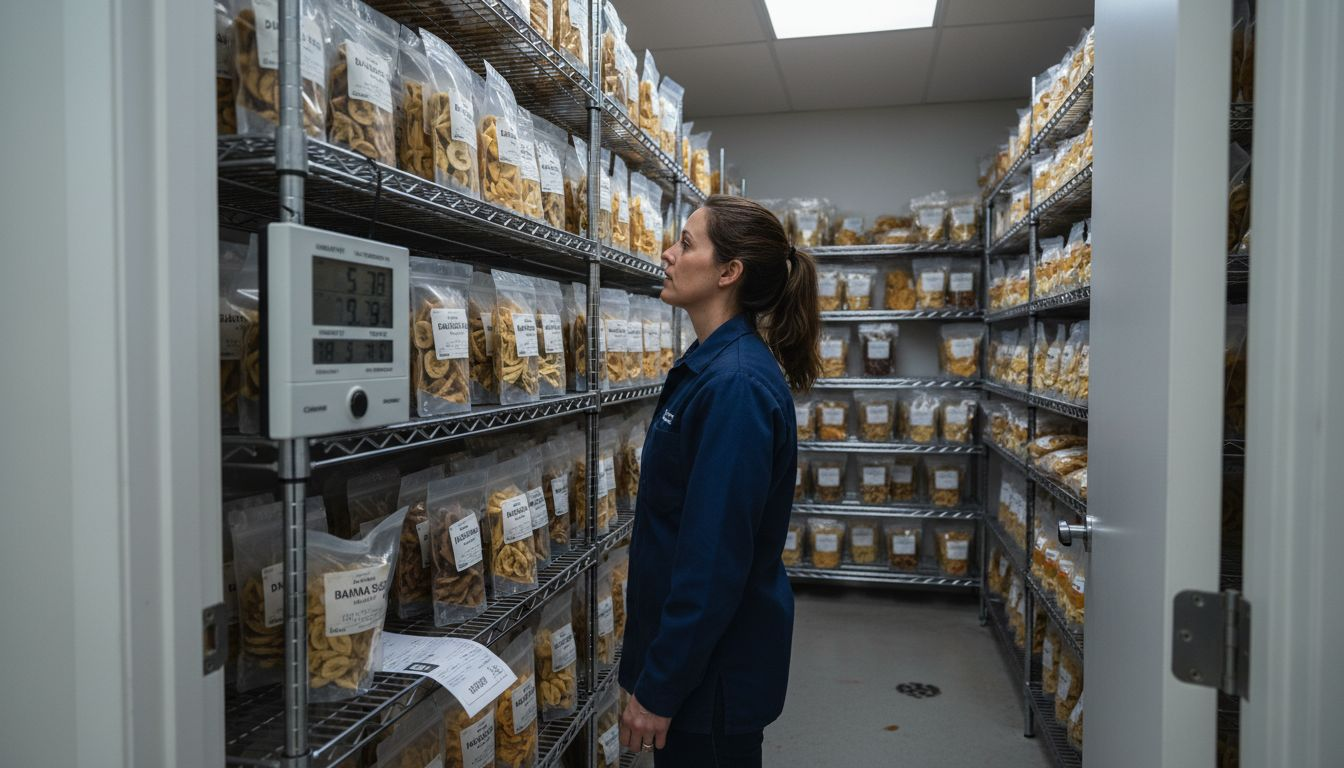
Additional critical factors include residual moisture content and oxygen exposure. Manufacturers must carefully control water activity during the freeze drying process, ensuring minimal moisture remains in the final product. Incorporating oxygen absorbers within packaging can further extend shelf stability by preventing chemical breakdown and potential microbial growth. Antioxidant levels and polyphenol content also contribute to the overall preservation potential of freeze dried fruits, acting as natural protective mechanisms against degradation.
Pro tip: Implement rigorous quality control testing to monitor moisture levels and packaging integrity throughout your freeze dried fruit production cycle.
This summary outlines key storage and packaging choices for maximizing freeze dried fruit shelf life:
| Storage Factor | Best Practices | Shelf Life Impact | Business Benefit |
|---|---|---|---|
| Packaging Quality | Use laminated, airtight pouches | Extends up to 25 years | Reduces spoilage, saves cost |
| Temperature Control | Store below 60°F | Prevents degradation | Maintains product freshness |
| Humidity Management | Keep under 50% humidity | Minimizes moisture risks | Preserves flavor and texture |
Optimal Storage, Packaging, and Rotation Practices
Effective inventory management for freeze dried fruits begins with understanding strategic packaging and storage techniques. Manufacturers should prioritize using vacuum-sealed containers or specialized Mylar bags equipped with oxygen absorbers, which create a robust barrier against moisture and potential contamination. These packaging solutions are critical for maintaining product integrity and extending shelf life beyond traditional preservation methods.
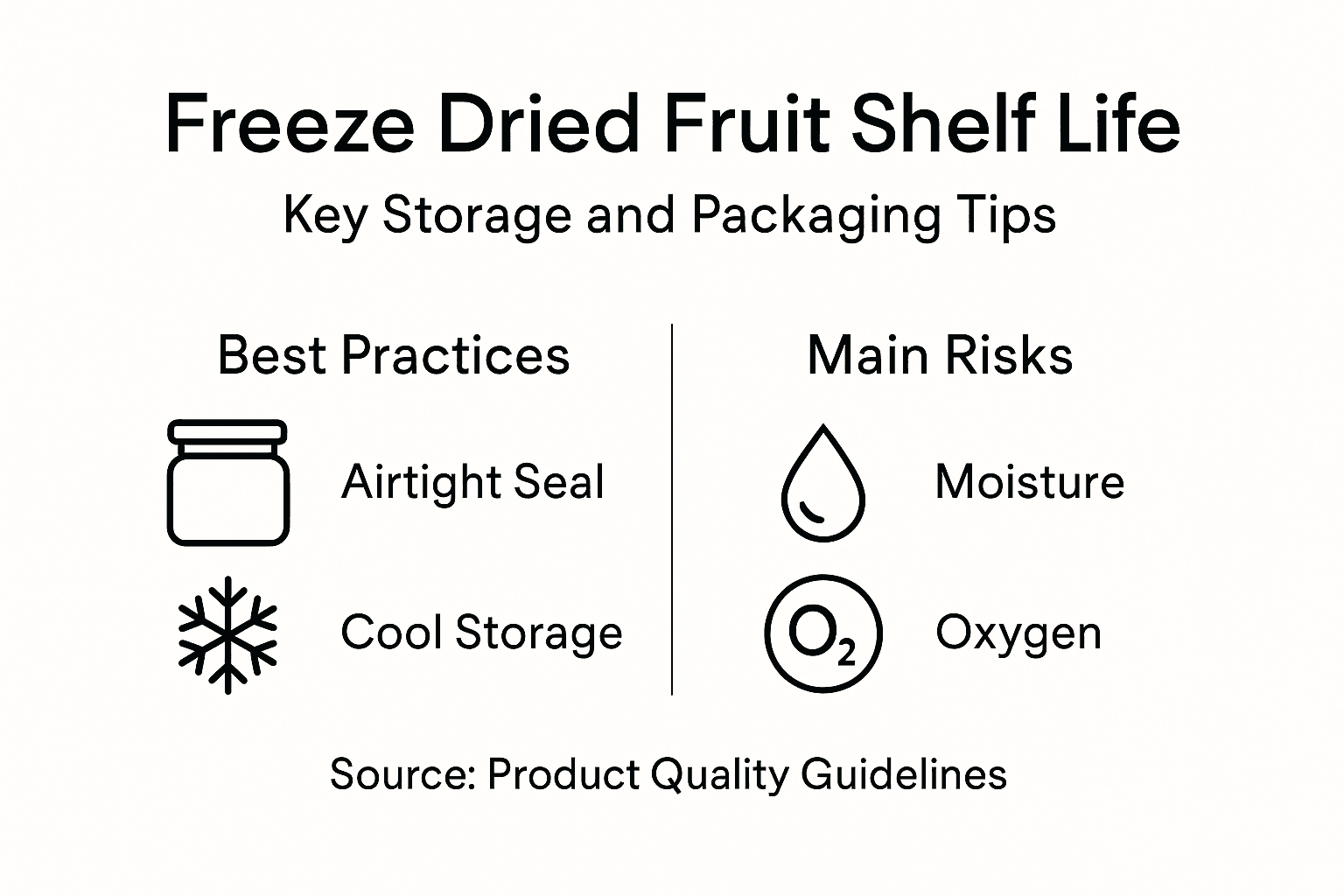
Temperature and environmental control represent another crucial aspect of preservation. Ideal storage conditions involve maintaining consistent temperatures below 60°F in dark, low-humidity environments. Direct sunlight and temperature fluctuations can accelerate product degradation, compromising both nutritional value and sensory characteristics. Implementing climate-controlled storage spaces with precise monitoring systems helps ensure optimal product preservation.
The First In, First Out (FIFO) inventory rotation method is essential for managing freeze dried fruit stock effectively. Systematic rotation practices involve meticulously tracking production dates, labeling packages, and organizing inventory to utilize older products first. This approach minimizes waste, maintains product freshness, and provides a structured approach to inventory management that directly impacts profitability and customer satisfaction.
Pro tip: Develop a comprehensive tracking system with clear labeling and rotation protocols to maximize freeze dried fruit inventory efficiency and minimize potential spoilage.
Recognizing Spoilage and Shelf Life Limitations
Understanding the nuanced signs of spoilage is critical for maintaining product quality and consumer safety in freeze dried fruits. Spoilage indicators involve multiple sensory and structural changes that go beyond simple visual assessment. Key warning signs include unusual odors, unexpected color transformations, textural inconsistencies like excessive softness or stickiness, and potential mold development.
Packaging integrity plays a pivotal role in determining product longevity. When protective barriers fail, moisture and oxygen can rapidly compromise freeze dried fruit quality. Subtle signs such as product clumping, slight discoloration, and diminished flavor intensity signal potential degradation. While freeze dried products typically remain microbiologically safe beyond printed expiration dates, their sensory and nutritional qualities may progressively decline with prolonged storage or compromised packaging conditions.
Safety testing protocols focus on comprehensive evaluations that extend beyond traditional expiration date assumptions. Comprehensive quality assessments examine microbial growth potential, flavor profile stability, and nutritional content preservation. Manufacturers and retailers must implement rigorous monitoring systems that track environmental exposure, package seal integrity, and product performance throughout the entire storage lifecycle.
Pro tip: Develop a systematic inspection protocol that includes regular sensory evaluations and periodic quality testing to proactively identify potential spoilage risks.
Take Control of Freeze Dried Fruit Shelf Life and Boost Your Profits
Maximizing the shelf life of freeze dried fruit requires expert packaging, storage, and precise moisture control. If you face challenges ensuring airtight sealing, maintaining optimal conditions, or developing customer-pleasing packaging that extends freshness and flavor, Space-Man.ca is here to help. As a leading Canadian manufacturer and distributor specializing in freeze dried candy and fruits, we understand how crucial high-quality vacuum-sealed and laminated packaging solutions are to protecting your product’s shelf stability and nutritional value.

Ready to maximize your freeze dried fruit’s shelf life and significantly reduce spoilage losses? Explore our tailored private labeling, co-packing, and expert bagging services. Partner with Space-Man.ca today to leverage advanced packaging technology designed for long-lasting freshness and consistent quality. Contact us now to craft packaging solutions that transform your inventory management and amplify consumer satisfaction.
Frequently Asked Questions
How long does freeze dried fruit last?
Freeze dried fruit typically has a shelf life of 10 to 25 years when stored correctly in airtight containers, away from sunlight, and in cool, low-humidity environments.
What factors influence the shelf life of freeze dried fruit?
The shelf life of freeze dried fruit is influenced by packaging quality, environmental storage conditions (temperature and humidity), residual moisture content, and exposure to oxygen.
How does the freeze drying process affect the nutritional value of fruit?
The freeze drying process preserves up to 95% of the fruit’s original nutrients, flavors, and colors by removing moisture without passing through a liquid state, maintaining its cellular structure and quality.
What are the indicators of spoilage in freeze dried fruit?
Key indicators of spoilage include unusual odors, color changes, textural inconsistencies, and potential mold development. Product clumping and diminished flavor intensity also signal potential degradation.