

Nearly every American retailer searching for dependable storage options notices that freeze dried fruit stands out for longevity. With some products retaining quality for up to 10 years, the science behind this method has won trust among both businesses and families. Understanding shelf life is not just about maximizing profits or reducing waste. It also means guaranteeing the safety and nutritional value that consumers demand in today’s market.
Table of Contents
- What Shelf Life Means For Freeze Dried Fruit
- How Freeze Drying Extends Fruit Longevity
- Key Factors Impacting Shelf Life Duration
- Best Storage And Packaging Practices
- Shelf Stability Risks And Spoilage Signs
Key Takeaways
| Point | Details |
|---|---|
| Shelf Life Importance | Freeze dried fruits can have a shelf life of up to 10 years when stored properly, making them ideal for long-term storage. |
| Critical Storage Factors | Key factors affecting longevity include moisture levels, temperature, and packaging quality; maintaining low moisture and proper temperatures is essential. |
| Packaging Guidelines | Use high-quality, moisture-resistant packaging and store in dark, cool environments to maximize shelf life. |
| Spoilage Indicators | Monitor for color changes, texture shifts, and off-odors as signs of potential spoilage; implement regular quality assessments. |
What Shelf Life Means For Freeze Dried Fruit
Shelf life represents the duration a food product remains safe, nutritionally sound, and maintains acceptable sensory qualities when stored under recommended conditions. For freeze dried fruit, this concept becomes critically important for retailers and consumers seeking long-term storage solutions. Unlike traditional preservation methods, freeze drying offers exceptional stability by removing moisture through sublimation, which dramatically extends potential preservation timeframes.
Research demonstrates remarkable preservation potential for freeze dried products. One scientific study analyzing freeze dried orange slices revealed that at specific storage temperatures, shelf life could potentially extend up to 10 years. This extraordinary preservation occurs because the freeze drying process eliminates water content that typically facilitates microbial growth and enzymatic degradation. The absence of moisture creates an inhospitable environment for bacteria, mold, and other microorganisms that typically cause food spoilage.
Understanding shelf life involves recognizing multiple critical factors beyond just moisture removal. Temperature, packaging quality, and storage conditions play significant roles in maintaining product integrity. Modern drying techniques, such as freeze drying, can prolong fruit shelf life while preserving nutritive quality and extending overall usability. Retailers must consider storage environments that minimize temperature fluctuations and protect products from direct sunlight, humidity, and potential contamination.
Pro Tip for Retailers: Invest in high-quality, moisture-resistant packaging with oxygen absorbers to maximize freeze dried fruit shelf life, and always store products in cool, dark environments between 50-70 degrees Fahrenheit for optimal preservation.
How Freeze Drying Extends Fruit Longevity
Freeze drying represents a revolutionary preservation technique that dramatically extends the longevity of fruits by fundamentally transforming their molecular structure. Unlike traditional dehydration methods, freeze drying removes moisture through sublimation, a process that preserves nutritive quality by inhibiting microbial growth and enzymatic reactions. This unique approach allows fruits to maintain their original cellular structure, nutritional profile, and sensory characteristics far longer than conventional preservation techniques.
The scientific mechanism behind fruit longevity through freeze drying involves complex biochemical transformations. When fruits undergo freeze drying, water molecules are removed in a frozen state, creating an environment that virtually eliminates potential degradation factors. Research examining storage conditions demonstrates how this process maintains high-quality attributes over extended periods, with polyphenolic content and overall fruit characteristics remaining stable across different temperature ranges. By reducing moisture content to approximately 2-3%, freeze dried fruits create an inhospitable environment for bacteria, mold, and enzymatic breakdown.
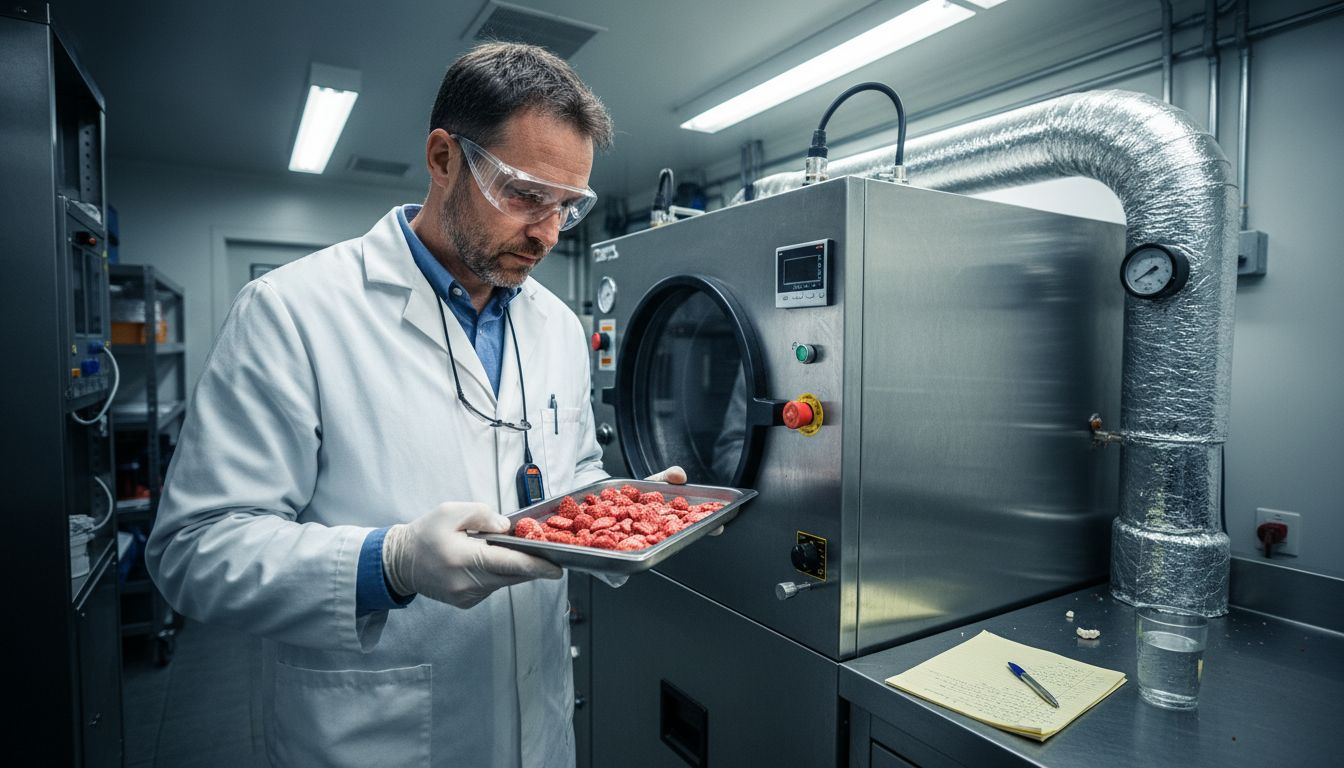
Specifically, freeze drying extends fruit longevity through several critical mechanisms. Water removal prevents microbial proliferation, low-temperature processing maintains nutritional integrity, and minimal structural changes preserve original flavor profiles. The resulting product can maintain acceptable quality for years, making it an exceptional option for retailers seeking long-term storage solutions. Understanding the complete process of freeze drying helps businesses optimize their preservation strategies and deliver high-quality products to consumers.
Pro Tip for Food Preservation: Select fruits with naturally low enzymatic activity for optimal freeze drying results, as these will maintain superior quality and longevity during extended storage periods.
Key Factors Impacting Shelf Life Duration
The durability of freeze dried fruits hinges on several critical environmental and processing variables that directly influence product stability. Scientific research investigating temperature and time reveals complex interactions that accelerate or decelerate product aging, demonstrating how seemingly minor conditions can dramatically impact long-term preservation. Temperature emerges as a particularly sensitive factor, with higher ambient temperatures consistently linked to faster molecular degradation and reduced shelf life.
Multiple technical parameters play pivotal roles in determining freeze dried fruit longevity. Specialized studies highlight how freezing rate, working pressure, and shelf temperature during processing significantly affect nutrient preservation and structural integrity. Moisture content, packaging quality, and storage environment represent the three most critical variables retailers must carefully monitor. Low moisture levels below 3% create an inhospitable environment for microbial growth, while hermetic packaging prevents external contamination and moisture reabsorption.
Retailers should understand the nuanced relationship between processing techniques and product durability. Optimal freeze drying requires precise control of environmental conditions, including humidity levels, ambient temperature, and oxygen exposure. By maintaining strategic storage conditions for freeze dried products, businesses can extend product shelf life and maintain high-quality standards. Key strategies include using oxygen absorbers, selecting appropriate packaging materials, and implementing strict temperature control protocols.
Pro Tip for Inventory Management: Implement a first-in-first-out rotation system for freeze dried fruits, regularly monitoring storage conditions and conducting periodic quality assessments to ensure maximum product longevity and customer satisfaction.
Best Storage And Packaging Practices
Effective storage and packaging represent mission-critical components for maintaining the exceptional quality of freeze dried fruits. Retailers must understand that packaging is not merely a protective barrier but a sophisticated preservation system designed to shield delicate products from environmental degradation. Exploring innovative packaging solutions can significantly enhance product longevity and market appeal.
The ideal packaging for freeze dried fruits must address multiple preservation challenges simultaneously. Moisture barrier, oxygen resistance, and light protection emerge as fundamental requirements for maintaining product integrity. Recommended packaging materials include multi-layer laminated pouches with high-barrier properties, featuring aluminum foil or metallized films that block moisture and oxygen transmission. These specialized packaging solutions create a microenvironment that prevents degradation, preserving the fruit’s nutritional profile, color, and sensory characteristics.
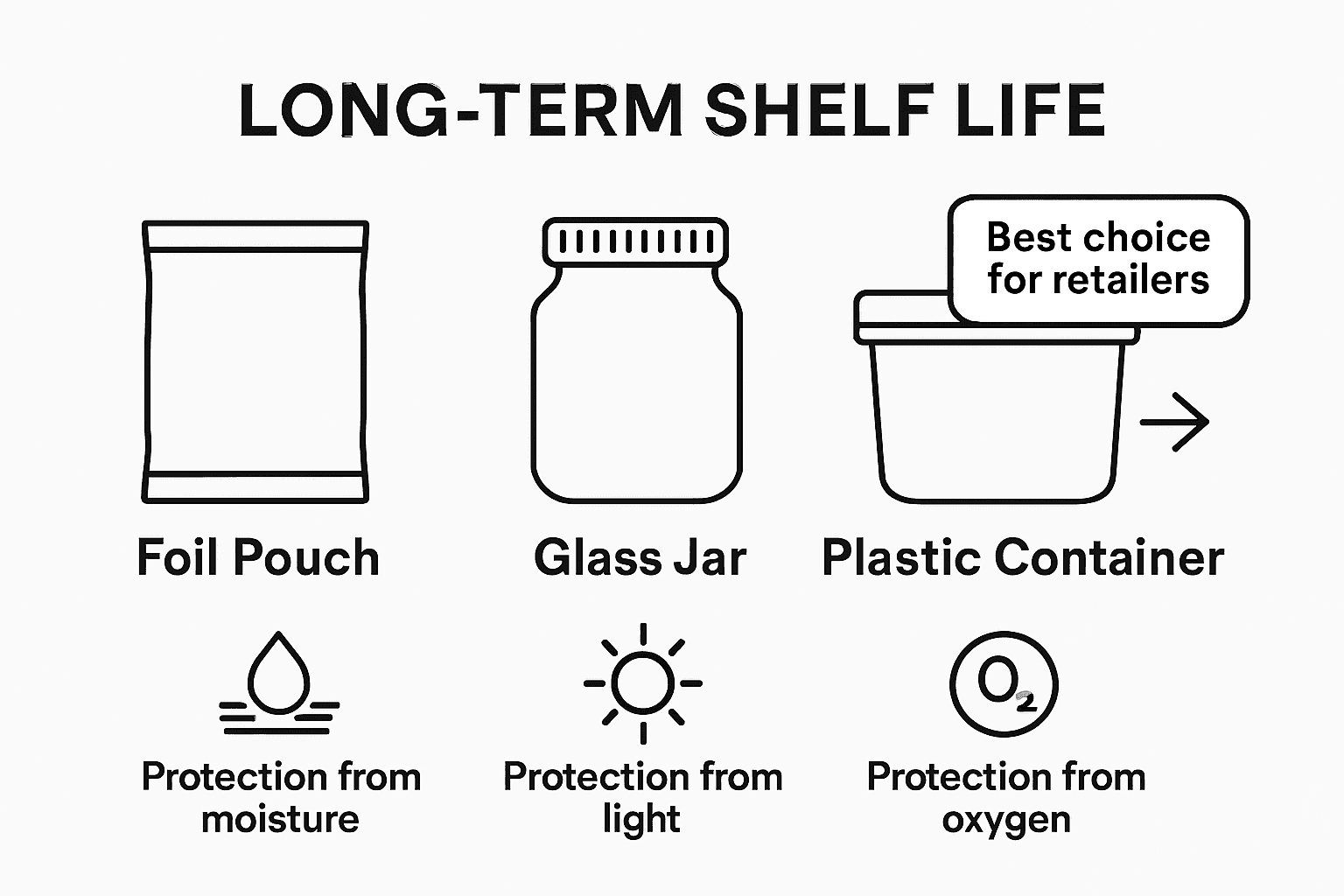
Successful storage practices extend far beyond selecting appropriate packaging materials. Temperature control represents a critical factor, with recommended storage conditions typically ranging between 50-70 degrees Fahrenheit and maintaining relative humidity below 40%. Retailers should invest in climate-controlled storage spaces, implement inventory rotation systems, and utilize oxygen absorbers to further extend product shelf life. Understanding eco-friendly packaging solutions can also help businesses align preservation strategies with sustainability goals while maintaining product quality.
The table below summarizes how different storage and packaging features impact the shelf life of freeze dried fruit:
| Feature | Impact on Shelf Life | Business Benefit |
|---|---|---|
| Moisture Barrier | Reduces risk of rehydration | Prevents early spoilage |
| Oxygen Resistance | Minimizes oxidative damage | Maintains product freshness |
| Light Protection | Preserves color and nutrients | Enhances visual appeal |
| Temperature Control | Slows molecular degradation | Extends product longevity |
Pro Tip for Packaging Optimization: Conduct periodic packaging integrity tests and invest in vacuum sealing technologies to create an additional protective barrier against environmental contamination and moisture infiltration.
Shelf Stability Risks And Spoilage Signs
Frozen dried fruits present unique preservation challenges that require vigilant monitoring of potential spoilage indicators. Scientific analysis reveals how physical and sensory variables like luminance, color, and taste can be critical markers of product degradation, enabling retailers to proactively identify quality compromise before significant deterioration occurs. Color shifts, texture changes, and unexpected flavor alterations represent the primary warning signs that freeze dried fruits may be losing their optimal preservation.
Molecular transformations during storage can introduce subtle yet significant stability risks. Oxygen exposure, temperature fluctuations, and moisture infiltration create environments conducive to gradual product breakdown. Advanced microencapsulation techniques offer promising strategies for mitigating these preservation challenges, providing enhanced protection against molecular degradation. Retailers should develop comprehensive quality assessment protocols that include visual inspections, sensory evaluations, and periodic laboratory testing to detect early signs of potential spoilage.
Critical spoilage indicators retailers must monitor include clumping, discoloration, off-odors, and changes in structural integrity. Freeze dried fruits experiencing moisture reabsorption will typically demonstrate visible signs like slight translucency, increased surface stickiness, or granular texture modifications. Packaging integrity plays a crucial role in preventing these degradation processes, with compromised seals or punctured containers dramatically accelerating potential spoilage mechanisms.
Here’s a quick reference for spoilage signs and their causes in freeze dried fruit:
| Spoilage Sign | Likely Cause | Preventive Measure |
|---|---|---|
| Color Changes | Light exposure | Use opaque packaging |
| Texture Shifts | Moisture uptake | Ensure airtight seal |
| Off-Odors | Oxygen intrusion | Add oxygen absorbers |
| Clumping | Humidity increase | Store in dry environments |
Pro Tip for Quality Control: Implement a systematic sampling protocol where random batches undergo comprehensive sensory and microscopic analysis every 90 days to catch potential stability issues before they impact overall product quality.
Secure the Longest Shelf Life for Your Freeze Dried Fruit Products Today
Maintaining optimal shelf life for freeze dried fruit requires addressing critical factors like moisture barrier, oxygen resistance, and temperature control. We understand how challenging it can be to protect product quality while managing packaging integrity and storage conditions. Our expertise in freeze dried candy manufacturing and packaging services at Space-Man helps you overcome these hurdles with customized private labeling, co-packing, and premium packaging solutions designed to extend shelf stability and enhance consumer appeal.

Don’t let spoilage risks or compromised packaging threaten your inventory. Partner with Space-Man to implement proven preservation strategies that align perfectly with your business goals. Visit our site now to explore how our end-to-end solutions can keep your freeze dried products fresh longer and your customers coming back for more.
Frequently Asked Questions
What factors affect the shelf life of freeze dried fruit?
Several factors impact the shelf life of freeze dried fruit, including moisture content, packaging quality, temperature during storage, and overall storage conditions. Maintaining low moisture levels and using high-quality packaging can significantly extend shelf life.
How long can freeze dried fruit last if stored properly?
When stored under optimal conditions, freeze dried fruit can last up to 10 years. This longevity is due to the low moisture content and elimination of conditions that promote spoilage.
What are the best storage conditions for freeze dried fruit?
Freeze dried fruit should ideally be stored in a cool, dark environment with temperatures between 50-70 degrees Fahrenheit. It’s essential to keep humidity levels below 40% to prevent moisture reabsorption.
How can I tell if freeze dried fruit is spoiled?
Signs of spoilage in freeze dried fruit include color changes, texture shifts, off-odors, and clumping. Monitoring these indicators is crucial for maintaining product quality.
Recommended
- Complete Guide to Benefits of Freeze Dried Fruit – Spaceman
- What Can I Freeze Dry: Complete Guide for 2025 – Spaceman
- Advantages of Freeze Dryers for Snack Businesses – Spaceman
- Complete Guide to Foods You Can Freeze Dry – Spaceman
- How to Store Dog Food Naturally for Freshness and Safety – Ultimate Pet Foods
- Discover the Timeless Delight of Ribena Original Blackcurrant Juice – A Fruitful Journey of Flavor and Wellness 🍇 – MyGymSupplements