

TL;DR:
- Effective candy packaging relies on high-barrier materials to preserve freshness and visual appeal. Personalized design elements and sensory details enhance brand recognition and customer loyalty. Proper sealing, testing, and compliance with sustainability laws ensure quality, durability, and regulatory adherence.
Custom candy packaging tips are strategies and design choices that protect product quality, build brand identity, and drive purchase decisions at the shelf. Packaging is not just a wrapper. It is your first salesperson, your brand ambassador, and your freshness guarantee all rolled into one. Research shows 74% of consumers prioritize packaging design when evaluating a product, and nearly 40% make their final purchase decision based on what they see on the shelf. For business owners and retail professionals, getting packaging right is not optional. It is the difference between a product that moves and one that collects dust.
1. What are the best custom candy packaging tips for materials?
The foundation of any effective candy package is the material it is made from. Your material choice determines freshness, shelf life, visual appeal, and regulatory compliance all at once.
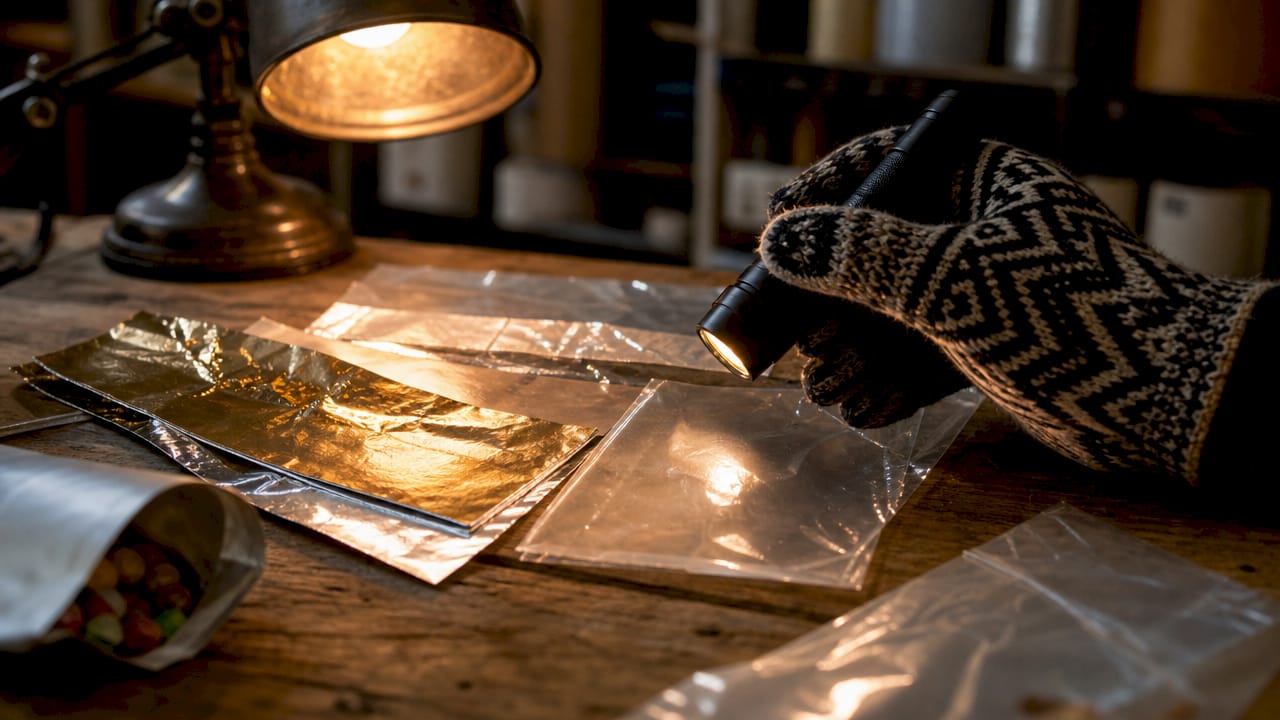
High-barrier materials are the gold standard for candy preservation. Aluminum foil laminates and EVOH (ethylene vinyl alcohol) films block oxygen and moisture far better than standard polyethylene. This matters especially for functional candies containing probiotics or vitamins. Active ingredients can degrade over 50% in three months without proper barrier protection. That kind of loss is invisible to the consumer until they notice the product simply does not taste right.
For products where visual appeal drives the sale, transparent materials like PET (polyethylene terephthalate) and PP (polypropylene) let the candy speak for itself. A clear window on a bag or box invites the consumer in without a single word of copy. Pair transparency with a high-barrier inner layer and you get the best of both worlds.
- Aluminum foil laminates: Best for maximum moisture and oxygen protection
- EVOH films: Excellent barrier properties with some flexibility in structure
- PET and PP films: Clear, food-safe, and widely recyclable
- Kraft paper with inner liners: Eco-friendly outer layer with functional protection inside
- Monomaterial recyclable films: Single-material structures that simplify end-of-life recycling
Pro Tip: Always request food-contact compliance documentation from your film supplier. Materials must meet FDA or CFIA standards depending on your market. Do not assume compliance because a material looks food-safe.
Explore the full breakdown of essential packaging materials to match each candy type with the right film structure.
2. How can design and personalization elevate your candy packaging?
Design is where packaging stops being functional and starts being memorable. The best candy packaging does not just protect the product. It creates an experience the consumer wants to repeat and share.
Structural design choices carry enormous weight. Clear windows, embossed logos, matte soft-touch finishes, and ribbon closures all signal quality before the consumer reads a single word. These tactile cues communicate premium value instantly. Sensory packaging that engages multiple senses increases perceived product value and supports premium pricing. The audible crisp tear of a well-made pouch, the smooth glide of a magnetic closure box, the soft texture of a matte laminate finish. These details register emotionally even when the consumer cannot articulate why.
Personalization takes design one step further. Variable data printing allows you to print unique names, messages, or limited-edition graphics on individual packages without stopping the production line. Personalized packaging with names, messages, or voice notes increases social sharing and brand engagement. That kind of organic reach is marketing you cannot buy with an ad budget.
“The unboxing ritual, including tactile and acoustic features, is often overlooked but critical for perceived value and customer loyalty. Brands that invest in the sensory details of opening a package create moments consumers remember and return for.”
Interactive elements like QR codes linked to augmented reality experiences or short brand videos add another layer of engagement. A QR code on a candy bag that launches a fun animation or a behind-the-scenes video turns a simple purchase into a brand touchpoint. For seasonal or gift-oriented candy products, this kind of detail separates your brand from generic alternatives.
- Clear windows: Let the product sell itself visually
- Embossing and debossing: Add texture and a premium feel to boxes and labels
- Matte and soft-touch laminates: Signal quality through touch before the consumer reads anything
- Variable data printing: Enable personalized wrappers at scale for gifting and limited editions
- QR codes with AR or video links: Create interactive brand experiences on the package itself
3. What practical strategies protect candy freshness during shipping?
A beautiful package that arrives damaged or delivers stale candy destroys the brand experience instantly. Freshness protection and shipping durability require deliberate engineering, not afterthoughts.
Airtight sealing is non-negotiable. Heat sealing locks in freshness and prevents exposure to moisture and oxygen, which are the two primary enemies of candy shelf life. A proper heat seal creates a hermetic barrier that no amount of attractive design can compensate for if it fails. Invest in quality sealing equipment and test seal integrity on every production run.
Resealable zipper pouches help maintain portion control and preserve candy after the consumer opens the package. This is especially relevant for gummies, freeze-dried candy, and chocolate-covered products where partial consumption is common. A resealable format also reduces waste and signals consumer-friendly thinking, which builds loyalty.
Temperature sensitivity is a real concern for chocolates and gummies. Both product categories can melt, bloom, or deform in transit without proper insulation. Use insulated mailers, gel packs, or corrugated box liners for temperature-sensitive shipments. For retail shelf products, specify storage temperature ranges clearly on the label.
- Test seal integrity on every production batch before shipping
- Use insulated mailers or corrugated liners for temperature-sensitive candy
- Add desiccant packets inside pouches for humidity-prone environments
- Choose resealable closures for multi-serving formats
- Conduct pressure and aging tests on prototypes before full production runs
Testing packaging prototypes under real shipping conditions reveals failures that design reviews miss entirely. Seal failures, product shifting, and corner damage all show up in freight testing before they become customer complaints.
Pro Tip: Ship a dozen prototype packages to yourself using the same carrier and service level your customers will experience. Open them on arrival and inspect every detail. This single test catches more problems than any lab simulation.
For a deeper look at candy packaging best practices that cover both freshness and retail compliance, the Space-man blog has you covered.
4. How to align candy packaging with sustainability and compliance
Sustainability is no longer a marketing angle. It is a regulatory requirement in many markets and a genuine purchase driver for a growing segment of consumers.
The EU Packaging and Packaging Waste Regulation, known as EU PPWR, requires all packaging to be recyclable or reusable by 2030. Several U.S. states have enacted Extended Producer Responsibility (EPR) laws that place recycling obligations directly on brands. Candy businesses selling across borders need to track these requirements by market and build compliance into their packaging specifications from the start.
Monomaterial recyclable films are the most practical path to compliance for flexible candy packaging. A single-material pouch made entirely from PE or PP can enter standard recycling streams, while a multi-layer laminate often cannot. Eco-certified packaging materials, such as those carrying FSC certification for paper components, add credibility to sustainability claims on the label.
| Packaging Type | Recyclability | Best Use Case |
|---|---|---|
| Monomaterial PE film | High | Pouches, bags, flow wraps |
| Kraft paper with liner | Moderate | Gift boxes, retail bags |
| PET clamshell | High | Retail display, gift sets |
| Multi-layer laminate | Low | High-barrier specialty products |
| Compostable PLA film | Conditional | Certified compost programs only |
Labeling compliance is equally critical. Clear allergen labeling and accurate ingredient information improve consumer trust and protect you from regulatory penalties. The most common compliance pitfalls include missing allergen declarations, incorrect net weight statements, and unsubstantiated claims like “natural” or “organic” without certification.
- Verify allergen declarations against your formulation on every label revision
- Include country of origin, net weight, and manufacturer contact details
- Avoid unsubstantiated health or sustainability claims
- Check labeling requirements for each market you sell into
Explore Space-man’s perspective on green packaging strategies that balance sustainability with practical production realities.
Key Takeaways
Effective candy packaging combines the right materials, thoughtful design, functional durability, and regulatory compliance to protect product quality and build lasting brand recognition.
| Point | Details |
|---|---|
| Material selection drives freshness | High-barrier films like EVOH and aluminum foil prevent ingredient degradation over shelf life. |
| Design creates emotional connection | Sensory details like matte finishes and personalized wrappers increase perceived value and social sharing. |
| Sealing and testing prevent failures | Heat sealing and prototype shipping tests catch problems before they reach your customers. |
| Compliance is market-specific | EU PPWR and U.S. EPR laws require recyclable packaging. Check requirements for each market you sell into. |
| Personalization drives engagement | Variable data printing and QR codes turn packaging into a brand experience that consumers share. |
Packaging is your most underrated marketing channel
Here is something I have noticed working with candy brands across different retail formats: most business owners treat packaging as the last decision, not the first. They finalize the product, lock in the price, plan the launch, and then scramble to find a bag or box that fits. That sequence costs money and misses opportunity.
The brands that win at retail treat packaging as a product design decision, not a logistics one. They prototype early, test physically, and iterate before committing to a production run. Insert sizing tolerances of 0.5 to 1.0 mm clearance for chocolate cavities sound like a minor detail until you receive a shipment of crushed product because the spec sheet dimensions did not match the actual batch. Physical sampling is not optional. It is how you avoid expensive surprises.
The other thing I see brands underestimate is the cost of going cheap on finishes. A matte laminate or a soft-touch coating adds a small amount to unit cost. But it changes how the consumer perceives the entire product. Premium feel at the point of touch justifies a higher price point and reduces the pressure to compete on price alone. That math works in your favor every time.
My honest advice: treat your packaging budget as a marketing investment, not a production cost. The brands that do this consistently outperform those that do not, even when the candy inside is identical.
— Chadi
Space-man’s packaging services for candy brands
Candy brands that want to move fast without sacrificing quality need a production partner who understands both the product and the package.
Space-man offers private label, co-packing, and custom packaging services designed specifically for candy businesses and retail distributors across Canada. Whether you need branded bags for freeze-dried candy, custom-labeled retail displays, or full co-packing support for a new product launch, Space-man handles the production details so you can focus on growing your brand. The team works with business owners to match packaging formats to product requirements, branding goals, and retail compliance needs. If you are ready to see what retail-ready candy packaging looks like in practice, Space-man is a good place to start.
FAQ
What materials work best for keeping candy fresh?
High-barrier materials like aluminum foil laminates and EVOH films are the most effective for preserving candy freshness. They block oxygen and moisture, which are the primary causes of flavor loss and texture degradation.
How does personalized candy packaging increase sales?
Personalized packaging with names, messages, or limited-edition graphics increases social sharing and emotional brand connection. Variable data printing makes this possible at scale without slowing production.
What labeling information is required on candy packaging?
Candy packaging must include allergen declarations, ingredient lists, net weight, country of origin, and manufacturer contact details. Requirements vary by market, so verify compliance for each region you sell into.
How do I test candy packaging before a full production run?
Ship prototype packages using your actual carrier and service level, then inspect them on arrival for seal failures, product damage, and structural issues. This physical test reveals problems that design reviews and lab simulations miss.
What is the EU PPWR and does it affect Canadian candy brands?
The EU Packaging and Packaging Waste Regulation requires all packaging sold in EU markets to be recyclable or reusable by 2030. Canadian brands exporting to Europe must meet this standard, and similar Extended Producer Responsibility laws are expanding across U.S. states.