

Freeze-dried candy is reshaping profit margins for Canadian retailers, yet most shop owners underestimate the hidden cost drivers that justify premium pricing. Unlike traditional sweets, freeze-dried candy requires specialized equipment and energy-intensive processing, creating unique challenges for pricing strategy. This article reveals data-backed approaches to optimize your pricing structure, boost transaction values through strategic product mix, and streamline operations for maximum profitability. You’ll discover how to leverage supplier consolidation, staff scheduling insights, and customer lifetime value tactics to transform your candy business in 2026.
Table of Contents
- Why Freeze-Dried Candy Demands Unique Pricing Considerations
- Maximizing Profits: Mix Optimization And Supplier Consolidation
- Optimizing Operational Efficiency And Managing Fixed Costs
- Practical Steps To Implement Winning Pricing Strategies For Freeze-Dried Candy
- Explore Spaceman’s Premium Freeze-Dried Candy Solutions
- What Is The Average Markup For Freeze-Dried Candy In Retail?
- How Can Store Owners Increase Average Transaction Value Effectively?
- What Operational Changes Improve Candy Store Profitability?
Key takeaways
| Point | Details |
|---|---|
| Premium pricing drivers | Freeze-dried candy production involves costly equipment and long processing times that justify higher retail prices |
| Transaction value boost | Promoting gift boxes and bundles to reach 20% of sales mix significantly increases average basket size |
| Supplier consolidation | Reducing wholesale cost percentages from 140% to 120% directly improves gross margins |
| Operational efficiency | Strategic staff scheduling during peak hours and reviewing fixed costs lower breakeven points |
Why freeze-dried candy demands unique pricing considerations
Understanding the production economics behind freeze-dried candy is essential for setting profitable retail prices. Freeze-dried candy prices are higher due to specialized equipment, long processing times, and high energy consumption. The freeze-drying process removes moisture while preserving flavor and texture, but it requires industrial-grade machinery and can take 24 to 48 hours per batch. This creates a fundamentally different cost structure compared to conventional candy.
The type of candy significantly impacts processing costs and final pricing. Gummy candies with high moisture content require longer drying cycles than chocolate-based items, directly affecting energy expenses and production capacity. Retailers must account for these variations when building their pricing models, as not all freeze-dried products carry identical margins.
Market dynamics further support premium positioning. The market for freeze-dried snacks has grown double-digit in recent years owing to novelty appeal and nostalgia. Consumers actively seek unique textures and intensified flavors that freeze-dried candy delivers, creating willingness to pay above traditional candy prices. This trend shows no signs of slowing in 2026, particularly among younger demographics and gift buyers.
Retailers must price beyond simple ingredient costs to capture true value. Consider these freeze-dried candy pricing factors when establishing your strategy:
- Equipment depreciation and maintenance costs for freeze-drying machinery
- Energy consumption averaging 15-20% higher than conventional candy production
- Extended processing time reducing batch turnover and inventory velocity
- Specialized packaging requirements to maintain product integrity and shelf life
- Limited supplier base creating less competitive wholesale pricing
Pro Tip: Calculate your true cost per unit by dividing total monthly freeze-dried candy expenses (including allocated overhead) by units sold, then apply your target margin percentage rather than using generic markup formulas designed for conventional candy.
Maximizing profits: mix optimization and supplier consolidation
Product mix decisions directly impact your bottom line more than any other pricing variable. Pushing high-margin gift boxes to 20% of sales lifts average transaction value and contribution margin. Gift boxes typically carry 60-80% gross margins compared to 40-50% for individual items, making them powerful profit drivers. Position these premium offerings near checkout areas and train staff to suggest them for birthdays, holidays, and corporate gifts.
Bundles create psychological value while increasing basket size. Customers perceive multi-pack offerings as better deals even when per-unit pricing remains strong for the retailer. Structure your bundles to include a mix of bestsellers and slower-moving items to improve overall inventory turnover while maintaining healthy margins. Display bundle options prominently using high-margin candy display tips to maximize visibility and impulse purchases.
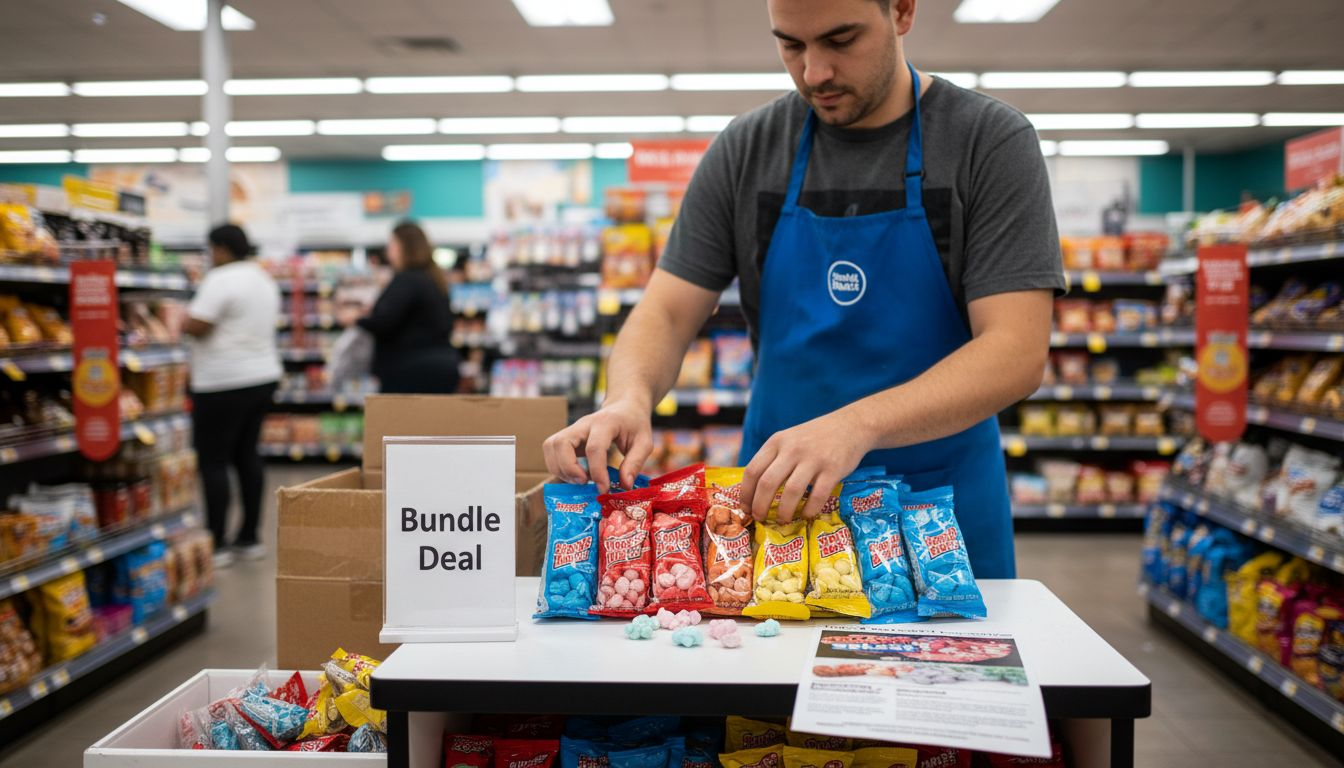
Supplier consolidation represents one of the fastest paths to margin improvement. Reducing wholesale costs from 140% to 120% improves gross margin by lowering your cost of goods sold as a percentage of revenue. Negotiate volume commitments with fewer suppliers in exchange for better pricing tiers. This approach also simplifies inventory management and strengthens vendor relationships, often unlocking additional benefits like extended payment terms or exclusive product access.
Tracking your sales mix percentages weekly helps identify trends before they impact profitability. Set specific targets for high-margin categories and monitor performance against those benchmarks. If gift boxes fall below your 20% target, investigate whether placement, staff training, or pricing adjustments are needed. Use this data to inform purchasing decisions and promotional strategies.
Pro Tip: Request quarterly pricing reviews with your top three suppliers and present competitive quotes to negotiate better terms. Most distributors would rather reduce margins slightly than lose a consistent customer, especially when you can demonstrate growing order volumes.
| Sales Mix Category | Target % of Revenue | Typical Gross Margin | Impact on Overall Profit |
|---|---|---|---|
| Individual items | 50-60% | 40-50% | Baseline profit driver |
| Gift boxes/bundles | 20-25% | 60-80% | High margin boost |
| Seasonal specials | 10-15% | 45-55% | Traffic and variety |
| Bulk/wholesale | 5-10% | 25-35% | Volume and cash flow |
Implementing effective retail candy pricing strategies requires balancing competitive positioning with margin goals. Monitor competitor pricing monthly but avoid knee-jerk reactions to temporary promotions. Your unique product mix, customer service, and store experience justify premium positioning when communicated effectively. Focus on value perception rather than being the lowest price option.
Leverage supplier consolidation techniques to streamline your supply chain and reduce administrative overhead. Fewer vendor relationships mean less time managing orders, invoices, and quality issues. This efficiency gain allows you to focus on customer-facing activities that drive sales and loyalty.
Optimizing operational efficiency and managing fixed costs
Staff scheduling directly impacts profitability through sales per labor hour metrics. Optimizing staff scheduling during high-traffic periods increases sales per labor hour by ensuring adequate coverage when customer volume peaks. Analyze your point-of-sale data to identify busy periods, typically weekend afternoons and early evenings for candy retailers. Schedule experienced staff during these windows to maximize conversion rates and average transaction values.
Full-time employees working peak shifts generate higher productivity than part-timers unfamiliar with product knowledge and upselling techniques. While hourly costs may be slightly higher, the sales lift more than compensates through better customer experiences and larger basket sizes. Train your team on freeze-dried candy benefits, production processes, and ideal use cases to build confidence in recommending premium items.
Fixed cost management creates breathing room in your budget and lowers the sales volume needed to break even. Reviewing fixed overhead, especially lease payments, lowers the breakeven requirement. Negotiate lease renewals well before expiration dates when you have maximum leverage. Landlords prefer retaining good tenants over facing vacancy costs, particularly in competitive retail markets. Present market comparables and your track record as a reliable tenant to support reduction requests.
Monitor these fixed costs quarterly to identify savings opportunities:
- Monthly lease or rent payments (largest fixed expense for most retailers)
- Insurance premiums for property, liability, and inventory coverage
- Utility base charges and demand fees separate from usage costs
- Software subscriptions for point-of-sale, accounting, and inventory systems
- Equipment leases for refrigeration, displays, and security systems
- Professional services including bookkeeping and legal retainers
Pro Tip: Use your sales data to create visual heat maps showing customer traffic patterns by hour and day. Share these insights with your team during scheduling discussions to build buy-in for strategic shift assignments and demonstrate how proper coverage drives everyone’s success.
Reducing your breakeven point accelerates profitability and provides cushion during slower periods. Calculate breakeven by dividing total fixed costs by contribution margin percentage (revenue minus variable costs divided by revenue). Every dollar saved in fixed expenses lowers the sales threshold required to cover costs. This financial flexibility allows you to invest in growth initiatives or weather seasonal fluctuations without stress.
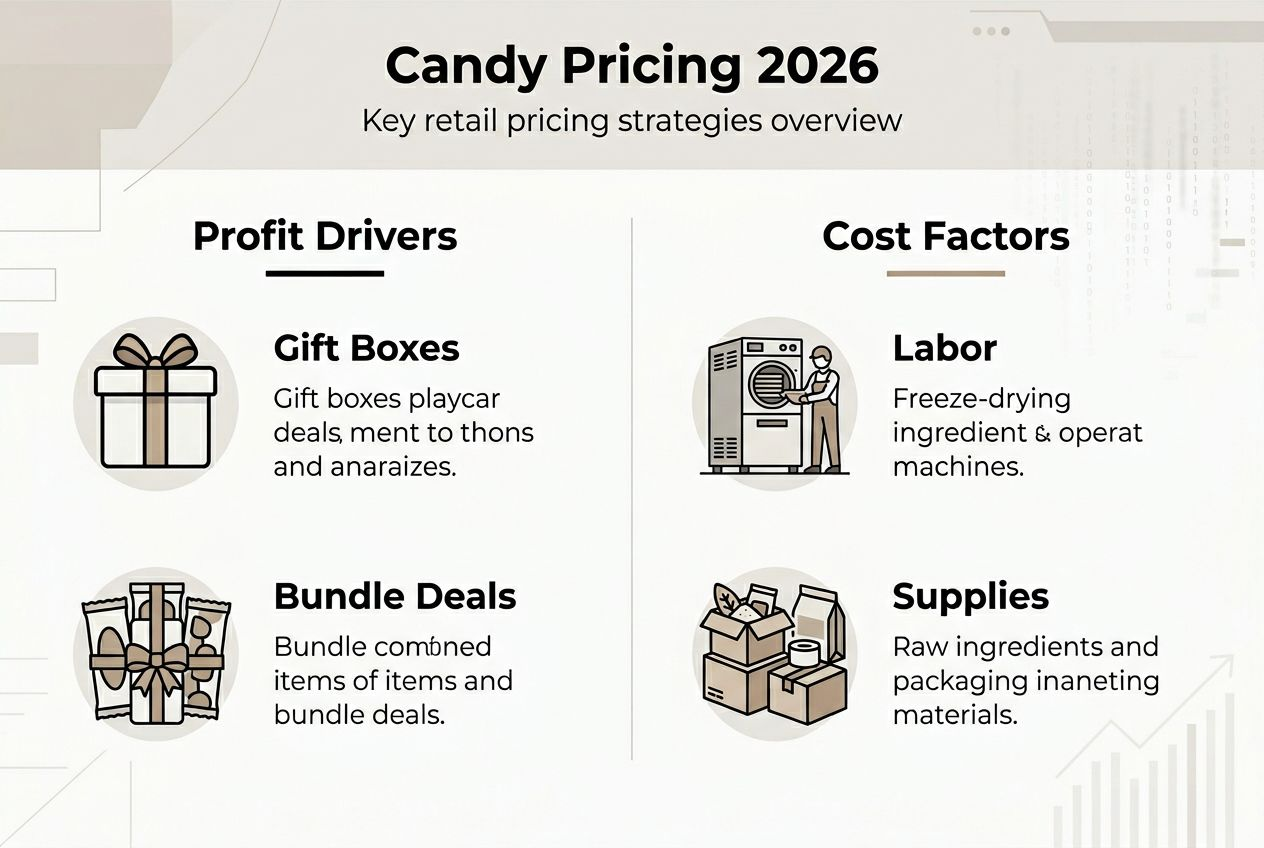
Implementing candy store sales tips alongside operational improvements creates compounding benefits. Better displays drive higher sales per square foot while optimized staffing ensures those customers receive excellent service. This combination builds sustainable competitive advantages that pure pricing strategies cannot match.
Practical steps to implement winning pricing strategies for freeze-dried candy
Transforming pricing strategy from theory to practice requires a structured implementation framework. Follow these steps to establish pricing levels that balance profitability with market competitiveness:
- Calculate your true cost per unit including all direct and allocated overhead expenses for each freeze-dried candy SKU in your assortment.
- Research competitor pricing for comparable products within a 5-mile radius and online retailers serving your market to establish the acceptable price range.
- Determine your target gross margin percentage based on category role (traffic driver vs profit maximizer) and adjust pricing to achieve those thresholds.
- Test price points with small batches or limited-time offers to gauge customer sensitivity before committing to permanent changes across your entire inventory.
- Monitor sales velocity and margin dollars (not just percentages) weekly to identify products underperforming on either metric and adjust accordingly.
- Communicate value through signage and staff training that explains freeze-dried candy benefits rather than relying on price alone to drive purchases.
Different pricing strategies suit different business objectives and competitive contexts. This comparison helps you select the right approach:
| Strategy | Description | Pros | Cons | Best For |
|---|---|---|---|---|
| Cost-plus | Add fixed markup to wholesale cost | Simple to calculate and maintain | Ignores market demand and competition | Commodity items with thin differentiation |
| Value-based | Price according to perceived customer benefit | Maximizes margins on unique items | Requires market research and testing | Premium freeze-dried candy and gift boxes |
| Bundle pricing | Discount multi-item packages vs individual pricing | Increases transaction size and inventory turn | Can train customers to wait for deals | Moving slower SKUs and building basket size |
| Competitive | Match or slightly undercut competitor prices | Maintains market share and traffic | Margin pressure and potential race to bottom | High-visibility items customers price-check |
Customer lifetime value provides a more complete profitability picture than single-transaction margins. Increasing customer lifetime value stabilizes revenue and reduces acquisition costs by extending repeat purchase periods. Implement a simple loyalty program that rewards repeat visits with points toward free items or exclusive access to new freeze-dried candy releases. This strategy costs less than constantly acquiring new customers through advertising.
Staying current with freeze-dried candy retail trends helps you anticipate demand shifts and adjust inventory before competitors. Subscribe to industry publications and join retailer networks to share insights and learn from others’ successes and failures. The freeze-dried candy category evolves rapidly as new flavors and formats enter the market.
Monitoring sales data trends weekly reveals patterns that monthly reviews miss. Watch for gradual declines in specific SKU velocity that signal needed price adjustments or promotional support. Conversely, products consistently selling out indicate pricing power and opportunities to test higher price points. Use your point-of-sale system’s reporting features to automate these analyses rather than relying on manual spreadsheet work.
Understanding freeze-dried candy retail insights positions you ahead of mainstream adoption curves. Early movers in emerging categories capture disproportionate market share and establish brand authority that sustains advantages even after competition increases. Position your store as the freeze-dried candy destination through knowledgeable staff, extensive selection, and creative merchandising.
External research on candy retail customer retention demonstrates that repeat customers spend 67% more than new customers over their lifetime. Focus equal attention on retention strategies alongside acquisition efforts to build a sustainable business model less vulnerable to market fluctuations.
Explore Spaceman’s premium freeze-dried candy solutions
Implementing these pricing and merchandising strategies becomes significantly easier with the right supplier partner supporting your success. Spaceman offers comprehensive private label co-packing packaging services designed specifically for Canadian retailers looking to differentiate their freeze-dried candy offerings. Our expertise helps you create custom branded products that command premium pricing while maintaining healthy margins.
Boost your average transaction value with our freeze-dried candy 10-pack bundle that provides variety while encouraging larger purchases. These multi-packs appeal to gift buyers and families seeking assortment, perfectly aligning with the product mix optimization strategies discussed earlier. Our bundles come retail-ready with attractive packaging that requires minimal handling.
Maximize your sales per square foot using our freeze-dried candy retail display racks engineered for high visibility and easy customer browsing. These professional fixtures showcase your freeze-dried candy selection while creating the premium positioning that supports value-based pricing strategies. The investment pays for itself through increased impulse purchases and improved inventory turnover.
What is the average markup for freeze-dried candy in retail?
Retail markups for freeze-dried candy typically exceed 800% over production costs due to the specialized processing requirements and novelty positioning. However, retailers work from wholesale prices that already include manufacturer margins, so their markup over wholesale cost usually ranges from 100% to 300% depending on local competition and store positioning. Premium locations and stores with strong brand identity can command the higher end of this range.
Markup percentages vary significantly by candy type and format. Individual small packages often carry lower percentage markups but higher absolute margins, while gift boxes and specialty items support premium pricing. Geographic location also impacts achievable markups, with urban stores in high-traffic areas able to charge more than rural locations with limited foot traffic.
How can store owners increase average transaction value effectively?
Focusing on gift box sales targeting approximately 20% of total sales mix represents the fastest path to higher transaction values. Train staff to proactively suggest gift boxes for every customer mentioning occasions like birthdays, holidays, or thank-you gifts. Position these premium offerings near the checkout counter where customers make final purchase decisions and impulse additions occur most frequently.
Bundles and cross-selling techniques naturally increase basket size when implemented consistently. Create pre-packaged assortments at multiple price points ($25, $50, $75) to accommodate different budget levels while guiding customers toward larger purchases. Use suggestive selling scripts that connect freeze-dried candy with complementary items like greeting cards or gift bags to build complete gift solutions.
Strategic product displays highlighting premium items drive transaction values through visual merchandising. Place your highest-margin freeze-dried candy at eye level and use lighting to draw attention to new or seasonal offerings. Group related items together to encourage multiple-item purchases rather than scattering products randomly across your store layout.
What operational changes improve candy store profitability?
Scheduling experienced staff during peak traffic periods, especially weekend afternoons, dramatically improves sales per labor hour through better customer service and upselling. Analyze your point-of-sale data to identify exactly when customer volume peaks, then ensure your most knowledgeable employees work those shifts. This targeted approach costs less than overstaffing slow periods while maximizing revenue during busy times.
Regularly reviewing lease payments and fixed overhead expenses lowers your breakeven point and frees cash for growth investments. Negotiate lease renewals at least six months before expiration when you have maximum leverage with landlords. Present market comparables and your reliable payment history to support reduction requests, emphasizing that lower occupancy costs benefit both parties through reduced vacancy risk.
Using sales data to align labor scheduling and expense management with actual demand patterns prevents waste while ensuring adequate coverage. Create visual reports showing traffic patterns by day and hour, then adjust staffing levels to match these rhythms. This data-driven approach builds team buy-in and demonstrates how proper scheduling benefits everyone through higher sales and better customer experiences.