

Over 60 percent of American households seek better ways to keep food fresh for longer. With rising food costs and unpredictable shortages, finding a method that locks in taste and nutrition matters more than ever. Home freeze dryers deliver a powerful solution, allowing American families to create shelf-stable meals that last decades without losing quality. Discover how this advanced preservation tool can change the way you store, save, and enjoy your favorite foods.
Table of Contents
- What Is a Home Freeze Dryer? Key Facts
- How Freeze Drying Technology Works at Home
- Types of Home Freeze Dryers Explained
- Popular Uses: From Candy to Consumer Snacks
- Costs, Risks, and Legal Considerations in Canada
Key Takeaways
| Point | Details |
|---|---|
| Understanding the Process | Home freeze dryers use a three-stage method of freezing, vacuum pressure, and gentle heat to preserve food’s nutrients and flavor. |
| Long Shelf Life | Properly freeze-dried food can last up to 25 years, making it ideal for long-term storage. |
| Versatile Applications | These devices can process a variety of foods, including fruits, vegetables, meats, and complete meals. |
| Investment Considerations | Initial costs range from $1,800 to $4,000, requiring careful evaluation of financial and operational commitments. |
What Is a Home Freeze Dryer? Key Facts
Home freeze dryers are innovative kitchen appliances designed to preserve food through an advanced moisture removal process. These machines allow individuals to transform fresh foods into shelf-stable products with exceptional longevity.
A home freeze dryer works by removing moisture from food through a specialized three-stage process that involves freezing, vacuum pressure, and gentle heat application. During this process, the device first freezes the food to extremely low temperatures, then creates a vacuum environment that allows ice to sublimate directly from solid to vapor without passing through a liquid state. This unique method ensures that foods retain their original nutritional content, flavor, and structural integrity.
The benefits of home freeze drying are substantial. Properly processed foods can maintain their quality for up to 25 years when stored correctly, making these devices incredibly valuable for long-term food preservation. Home freeze dryers can process an impressive variety of foods, including:
- Fresh fruits and vegetables
- Meats and proteins
- Dairy products
- Complete meals and prepared dishes
- Herbs and seasonings
- Emergency food supplies
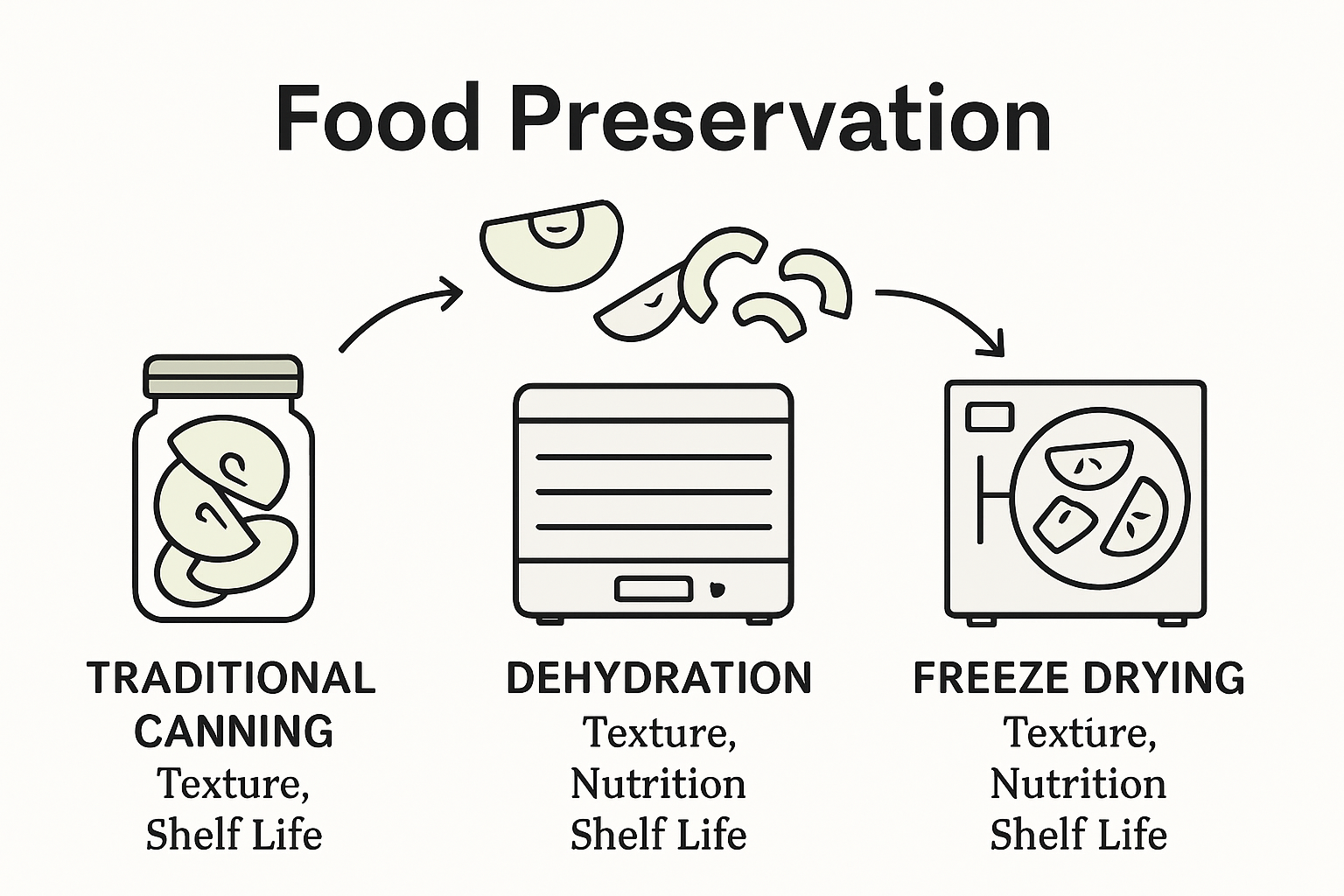
While traditional food preservation methods like canning or dehydration can alter food’s taste and texture, freeze drying maintains the original characteristics of the food. This makes home freeze dryers an attractive option for those interested in preserving garden harvests, creating emergency food stockpiles, or simply extending the shelf life of their favorite foods without compromising quality.
How Freeze Drying Technology Works at Home
Freeze drying is a sophisticated food preservation method that transforms the traditional approach to keeping foods fresh and nutritionally intact. The process involves a precise sequence of temperature and pressure modifications that remove moisture without compromising food quality.
Freeze drying consists of four critical stages that work together to transform fresh foods into stable, long-lasting products: pretreatment, freezing, primary drying, and secondary drying. Here’s a detailed breakdown of how each stage contributes to the preservation process:
- Pretreatment Stage
- Prepare food by cleaning and potentially slicing into appropriate sizes
- Ensure uniform moisture content and remove excess surface liquid
- Freezing Stage
- Lower food temperature well below 32°F
- Create ice crystals within the food’s cellular structure
- Stabilize the food’s original shape and prevent cellular damage
- Primary Drying (Sublimation)
- Apply low-pressure vacuum environment
- Convert ice directly from solid to vapor without passing through liquid state
- Remove approximately 95% of moisture content
- Preserve food’s original nutritional profile and cellular structure
- Secondary Drying (Desorption)
- Gradually increase temperature
- Remove remaining bound moisture molecules
- Ensure complete dehydration of food product
This meticulous process allows home users to transform a wide variety of foods into lightweight, shelf-stable products that retain their original flavor, color, and nutritional value. By understanding the intricate mechanism behind freeze drying, individuals can effectively preserve fruits, vegetables, meats, and entire meals with remarkable precision and quality.
Types of Home Freeze Dryers Explained
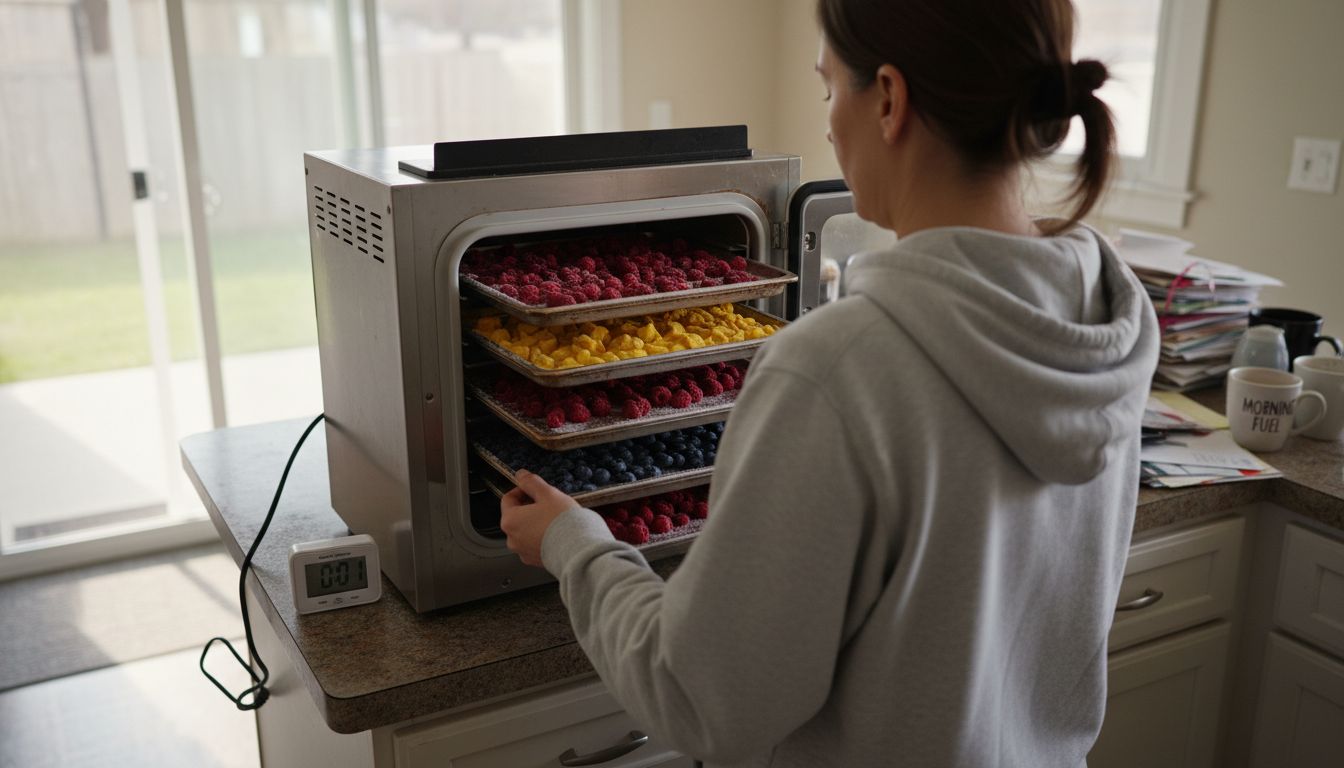
Home freeze dryers come in various configurations designed to meet different preservation needs and kitchen spaces. Manufacturers primarily categorize these devices into two main types: metal desktop and floor-standing models.
Desktop Freeze Dryers
- Compact and space-efficient design
- Ideal for small households
- Typically accommodate 4-6 trays
- Perfect for individuals or small families
- Lower initial investment cost
Floor-Standing Freeze Dryers
- Larger capacity units
- Designed for extensive food preservation
- Can range from 7-11+ trays depending on model specifications
- Suitable for large families or serious food preservation enthusiasts
- Higher processing volume
When selecting a home freeze dryer, consumers should consider several critical factors beyond just size. These include total tray capacity, power consumption, noise levels, ease of cleaning, and overall durability. Budget-conscious buyers might start with compact desktop models, while those preserving larger quantities of food will benefit from floor-standing units that can handle more substantial preservation tasks.
The technological advances in home freeze drying have democratized food preservation, allowing individuals to maintain food quality, reduce waste, and create long-term storage solutions right in their own kitchens. Whether you’re a prepper, gardener, or simply someone who wants to extend the life of seasonal produce, there’s a home freeze dryer designed to meet your specific needs.
Popular Uses: From Candy to Consumer Snacks
Home freeze dryers have revolutionized food preservation and snack creation, offering versatile applications that extend far beyond traditional storage methods. These innovative machines enable users to transform a wide range of foods into crispy, long-lasting treats with remarkable nutritional preservation.
Popular Freeze-Dried Food Categories
- Fresh fruits and seasonal produce
- Vegetables with extended shelf life
- Meats and protein sources
- Dairy products
- Complete meals and prepared dishes
- Specialty snacks like candy and yogurt drops
Specialty Snack Applications
- Freeze-Dried Candies: Transforming traditional sweets into crunchy, intensified flavor experiences
- Fruit Snacks: Creating lightweight, nutrient-dense chips and crisps
- Yogurt Drops: Producing portable, protein-rich snacks
- Emergency Food Supplies: Developing long-term storage options
Freeze drying enables food preservation while maintaining original quality, making it ideal for creating instant products like soups, beverages, and gourmet snacks. This technology allows home cooks and food enthusiasts to experiment with texture, concentrate flavors, and dramatically extend the shelf life of their favorite ingredients without compromising nutritional value.
Costs, Risks, and Legal Considerations in Canada
Home freeze dryers represent a significant investment for Canadian food preservation enthusiasts, with initial costs ranging from $1,800 to $4,000 depending on capacity and technological features. These machines are not just a purchase but a long-term commitment to advanced food preservation technology.
Cost Breakdown
- Initial Equipment Investment: $1,800 - $4,000
- Electricity Consumption: Varies by model
- Maintenance and Replacement Parts
- Ongoing Operational Expenses
Critical Risk Considerations
- Potential challenges with certain food types, especially high-oil content ingredients
- Requires precise food handling techniques
- Freeze drying does not inherently eliminate bacteria
- Demands significant time and preparation effort
Legal and Safety Compliance Canadian food safety regulations mandate strict protocols for home food preservation. Operators must ensure:
- Proper food handling practices
- Temperature control during preservation
- Sanitary processing environments
- Accurate labeling of preserved products
- Compliance with Canadian Food Inspection Agency guidelines
While home freeze dryers offer tremendous potential for food preservation, they demand careful consideration of financial investment, operational risks, and regulatory compliance. Prospective users should thoroughly research and understand the comprehensive requirements before making their purchase.
Discover How Freeze Drying Can Elevate Your Food Preservation and Snack Innovation
If you are fascinated by the power of home freeze drying to preserve flavor, nutrition, and texture for years, you understand the challenges of mastering this advanced technology on your own. From managing the complex freezing and sublimation process to ensuring your products meet strict safety standards, preserving quality long term is not easy. That is where professional expertise and turnkey solutions become invaluable.

At Space-Man, we specialize in freeze dried candy manufacturing and distribution across Canada. We offer private labeling, co-packing, and customized bagging and packaging services designed to bring your freeze dried creations from concept to market smoothly. Whether you want to create gourmet snacks or emergency food products, our experience means you avoid costly risks and focus on quality and shelf life. Visit Space-Man now and join countless clients who trust us to turn freeze dried foods into vibrant, shelf-stable consumer favorites. Elevate your preservation goals and explore professional solutions today.
Frequently Asked Questions
What is a home freeze dryer, and how does it work?
A home freeze dryer is a kitchen appliance that preserves food by removing moisture through a three-stage process involving freezing, vacuum pressure, and gentle heat. This method maintains the food’s nutritional value, flavor, and texture.
What types of food can be preserved using a home freeze dryer?
Home freeze dryers can process a wide variety of foods, including fresh fruits and vegetables, meats, dairy products, complete meals, herbs, and even specialty snacks like candy and yogurt drops.
What are the key benefits of using a home freeze dryer compared to other preservation methods?
Unlike traditional methods such as canning or dehydration, freeze drying preserves the original taste and texture of food. Properly freeze-dried foods can last up to 25 years when stored correctly, making it ideal for long-term food preservation.
How much does a home freeze dryer cost, and what should I consider before purchasing?
The cost of a home freeze dryer ranges from $1,800 to $4,000 depending on its capacity and features. Consider factors like tray capacity, power consumption, and maintenance needs to ensure it meets your food preservation requirements.
Recommended
- What Is a Freeze Dryer Machine? Complete Overview – Spaceman
- Best Freeze Dryer: Complete Guide for 2025 Buyers – Spaceman
- Advantages of Freeze Dryers for Snack Businesses – Spaceman
- Difference Between Freeze Dryer and Dehydrator: Complete Guide – Spaceman
- Understanding Forged Cookware Explained for Chefs & Enthusiasts – Brass & Steel