

Most American entrepreneurs are surprised to learn that the Canadian candy market is projected to grow from USD 3.96 billion in 2024 to USD 5.39 billion by 2033. With Canadians ranking among the top ten chocolate consuming nations worldwide, launching a candy shop north of the border offers tempting possibilities. Understanding the Canadian market, planning carefully, and setting your business apart are key moves for turning sweet dreams into a thriving reality.
Table of Contents
- Step 1: Research The Canadian Candy Market
- Step 2: Plan Your Business Structure And Location
- Step 3: Source Quality Candies And Packaging Suppliers
- Step 4: Set Up Your Shop And Legal Requirements
- Step 5: Launch And Promote Your Candy Shop
- Step 6: Monitor Operations And Optimize For Growth
Quick Summary
| Key Message | Explanation |
|---|---|
| 1. Research the Canadian candy market | Understand market trends, consumer preferences, and growth opportunities before starting your candy shop. |
| 2. Choose the right business structure | Select a business structure that aligns with your goals and consult legal experts for guidance. |
| 3. Source quality suppliers effectively | Research and evaluate suppliers for quality candies and packaging, ensuring they meet your specific needs. |
| 4. Register your business and obtain permits | Complete all legal registrations, including permits and business licenses essential for food retailers. |
| 5. Implement marketing strategies before launch | Create a brand identity and promotional plans to attract customers, leveraging community engagement and social media. |
Step 1: Research the Canadian candy market
Researching the Canadian candy market is your crucial first step in launching a successful candy shop. You will need to understand the current market dynamics, consumer preferences, and growth potential before making any significant investments.
Start by examining the Canadian confectionery market trends, which show impressive growth projections. The market is expected to expand from USD 3.96 billion in 2024 to USD 5.39 billion by 2033, indicating substantial opportunities for new entrants. This growth is driven by increasing consumer demand for premium products, health focused alternatives, and unique celebratory treats.
To conduct comprehensive market research, focus on several key areas. Analyze consumer demographics, study regional preferences, investigate emerging trends like artisan and functional sweets, and understand seasonal purchasing patterns. Consider accessing industry reports, attending food and beverage trade shows, and connecting with local confectionery associations to gather in depth insights. Market data from the Canadian chocolate industry reveals that Canadians consume an average of 6.4 kg of chocolate per person annually, ranking among the top ten chocolate consuming nations globally.
Pro Tip: Network with local candy distributors and retailers to gain insider knowledge about market gaps and consumer preferences that could inform your unique business strategy.
Step 2: Plan your business structure and location
Launching your candy shop requires careful planning of your business structure and strategic location selection. This step will set the foundation for your entire entrepreneurial journey and impact everything from legal compliance to potential profitability.
Start by exploring your business structure options through comprehensive government resources for new businesses. You will need to choose between structures like sole proprietorship, partnership, or corporation based on your specific goals. Each structure carries different legal and tax implications that can significantly affect your business operations. Consider consulting with a local business attorney or accountant who can provide personalized guidance on selecting the most advantageous structure for your candy shop.
Here’s a quick comparison of popular business structure options for a Canadian candy shop:
| Structure Type | Legal Liability | Taxation Approach | Suitable For |
|---|---|---|---|
| Sole Proprietorship | Personal liability | Personal tax return | Solo owners, simple setup |
| Partnership | Shared liability | Pass-through taxation | Two or more owners |
| Corporation | Limited liability | Corporate tax rate | Growth-focused businesses |
When selecting a location, analyze foot traffic patterns, proximity to complementary businesses, parking availability, and local zoning regulations. Research neighborhood demographics to ensure your target market aligns with the area. Ideal locations might include commercial districts, shopping centers, or areas near schools and entertainment venues. Evaluate potential rental costs, lease terms, and the potential for future expansion. Your location should balance accessibility, visibility, and affordability while supporting your business model and brand vision.
Pro Tip: Create a detailed location scouting spreadsheet that tracks potential sites, comparing factors like rent, square footage, foot traffic, and nearby competition to make an objective decision.
Step 3: Source quality candies and packaging suppliers
Sourcing reliable candy and packaging suppliers is a critical step in establishing your Canadian candy shop. Your success will depend on finding partners who can consistently deliver high quality products that meet your business standards and customer expectations.
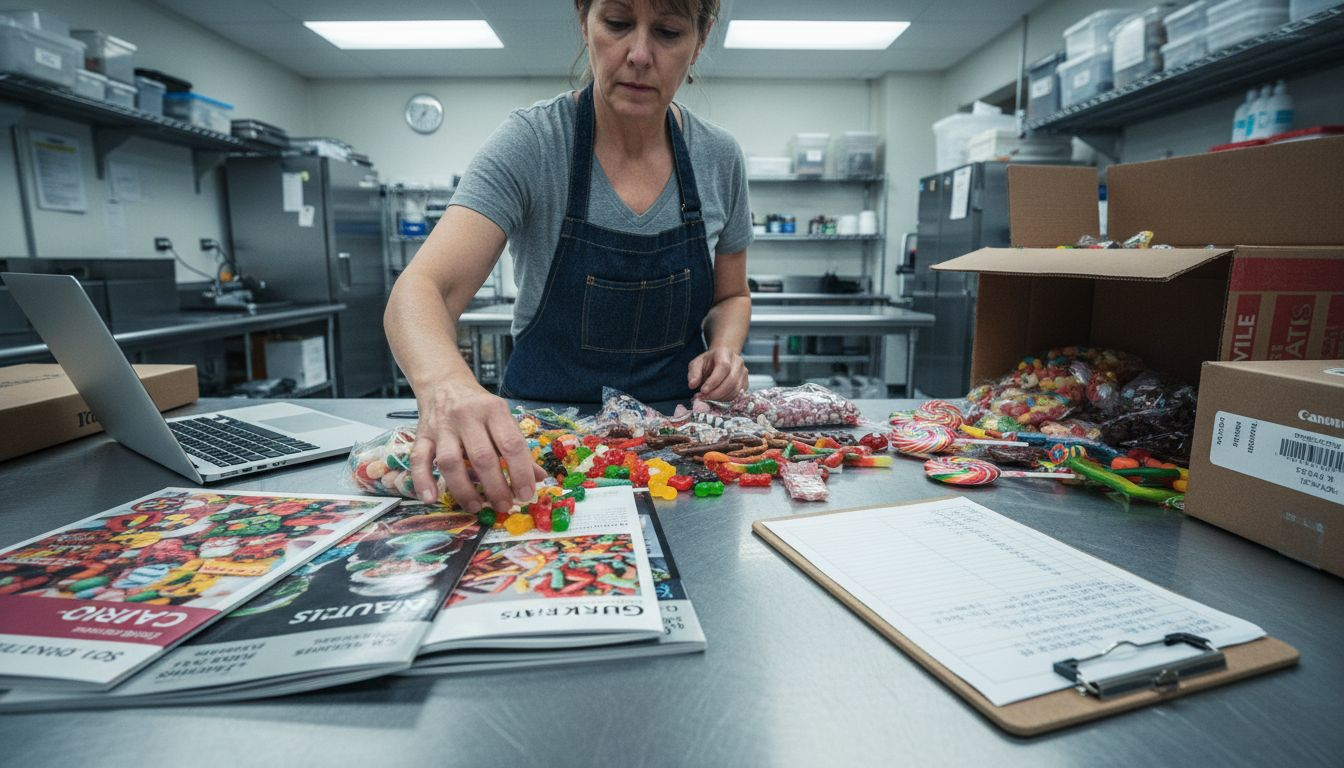
Begin by researching potential suppliers using industry resources like the top global candy company listings. Look for manufacturers with proven track records in producing candies that align with your shop’s vision and target market. Consider factors like product variety, quality consistency, minimum order quantities, and pricing structures. Attend food industry trade shows, connect with Canadian confectionery associations, and request sample packages from potential suppliers to evaluate their offerings thoroughly.
When selecting packaging suppliers, explore essential packaging materials for candy businesses to understand your options. Evaluate suppliers based on their ability to provide food safe materials, customize packaging designs, offer competitive pricing, and meet your specific volume requirements. Request detailed quotes, compare multiple vendors, and consider factors like minimum order quantities, lead times, and potential for future collaboration. Prioritize suppliers who demonstrate flexibility, reliability, and a commitment to quality.
Pro Tip: Create a comprehensive supplier evaluation spreadsheet that tracks potential vendors performance metrics including price, minimum order size, delivery reliability, and product quality to make informed sourcing decisions.
Step 4: Set up your shop and legal requirements
Establishing your Canadian candy shop requires careful attention to legal and administrative details. This step involves transforming your business plan into a legally compliant and officially recognized enterprise that can operate smoothly and professionally.
Begin by registering your business with the Canada Revenue Agency to obtain your official Business Number. This crucial step involves selecting your business structure, registering your business name, and understanding your tax obligations. Depending on your chosen structure, you will need to complete different registration processes for sole proprietorships, partnerships, or corporations. Gather all necessary documentation, including identification, business plans, and potentially partnership agreements.
Next, secure the required permits and licenses specific to operating a food retail business in your province. This typically includes a business license, food handling certification, health department permits, and potentially zoning approvals for your specific location. Contact your local municipal office and provincial business registry to confirm exact requirements. Consider consulting with a local business lawyer or accountant who specializes in food retail businesses to ensure you do not overlook any critical legal considerations. You will also need to set up business banking accounts, acquire appropriate insurance coverage, and establish your tax reporting mechanisms.
Pro Tip: Create a comprehensive checklist of all legal and administrative requirements, and schedule follow up reminders to ensure you maintain ongoing compliance with all regulatory obligations.
Step 5: Launch and promote your candy shop
Launching your candy shop requires strategic planning and creative marketing to attract customers and establish your brand in the competitive Canadian retail landscape. Your initial launch will set the tone for future success and help you build a loyal customer base.
Start by creating an engaging strategy for building your candy brand in Canada that highlights your unique selling points. Develop a compelling brand story that resonates with local customers and differentiates you from other candy retailers. Consider hosting a grand opening event with special promotions, free samples, and local community engagement. Utilize social media platforms to showcase your candies, share behind the scenes content, and create anticipation before your official launch.
Focus on creating an attractive store layout and implementing eye catching candy display strategies that draw customers in and encourage impulse purchases. Leverage local marketing channels including community bulletin boards, local newspapers, food blogs, and neighborhood social media groups. Consider partnerships with nearby businesses, schools, and community centers to increase visibility. Implement a customer loyalty program, offer personalized recommendations, and create an inviting atmosphere that encourages repeat visits.
Pro Tip: Develop a marketing budget that allocates resources across multiple channels and track the performance of each promotional strategy to optimize your future marketing efforts.
Step 6: Monitor operations and optimize for growth
Successfully launching your candy shop is just the beginning of your entrepreneurial journey. Continuous monitoring and strategic optimization will be essential to ensuring long term profitability and sustainable business growth in the competitive Canadian retail market.
Implement robust tracking systems to monitor key performance indicators such as daily sales, inventory turnover, customer foot traffic, and product popularity. Use point of sale software that provides detailed analytics and generates comprehensive reports. Regularly review your financial statements, track profit margins for individual product lines, and identify which candies are driving revenue. Pay close attention to seasonal trends, customer feedback, and emerging consumer preferences that could impact your business strategy.
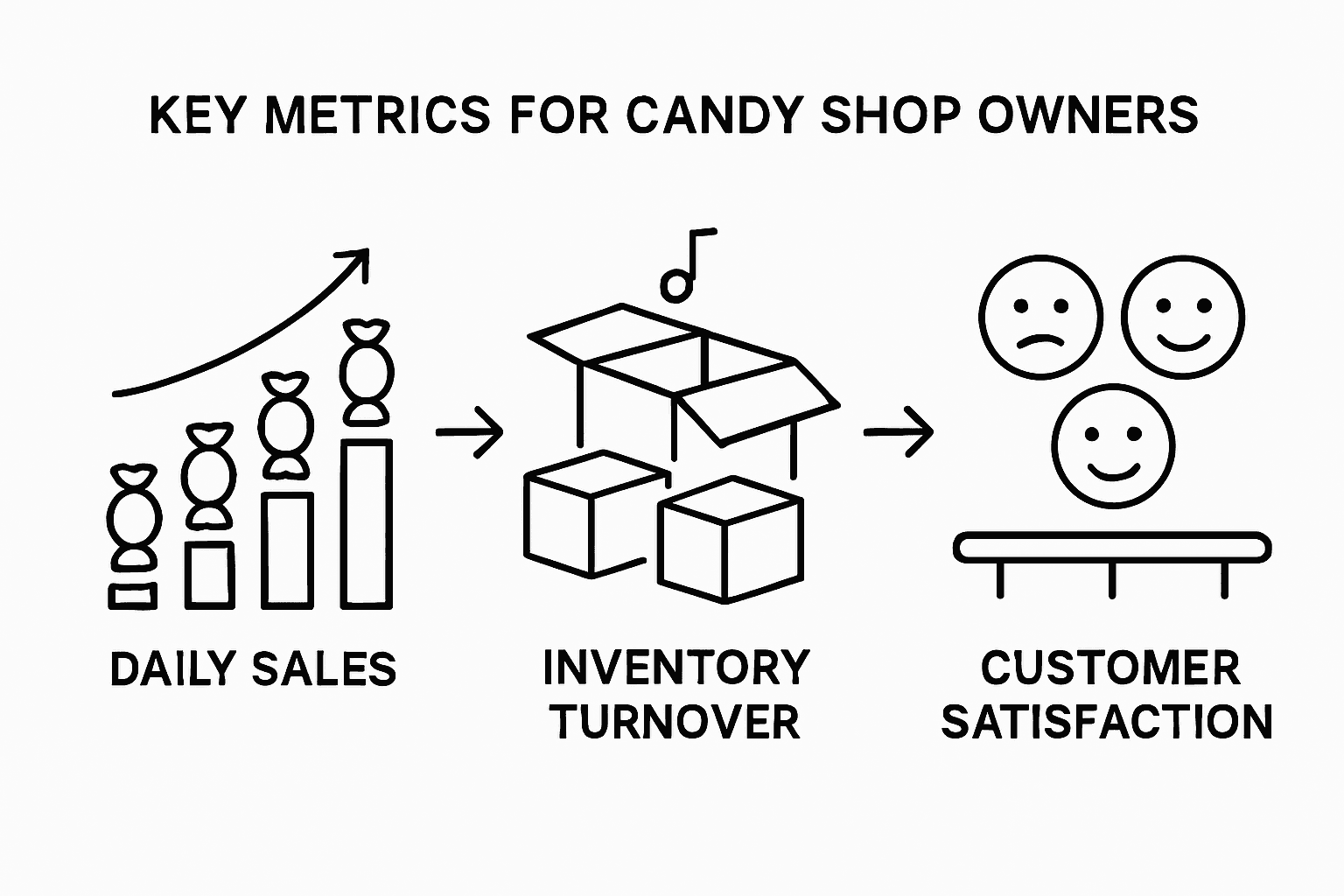
Key operational metrics for a successful candy shop include:
| Metric | What It Measures | Impact on Business |
|---|---|---|
| Daily Sales | Revenue per day | Tracks overall performance |
| Inventory Turnover | Frequency of replenishment | Indicates product popularity |
| Customer Foot Traffic | Number of daily visitors | Measures marketing success |
| Product Popularity | Sales by item | Guides inventory decisions |
Develop a flexible approach to inventory management and product selection. Continuously experiment with new candy offerings, adjust your product mix based on sales data, and be willing to phase out underperforming items. Invest in staff training to improve customer service, create upselling opportunities, and build customer loyalty. Consider implementing a customer feedback system that allows you to gather insights directly from your target market. Stay connected with industry trends, attend trade shows, and network with other Canadian candy retailers to discover innovative strategies for business expansion.
Pro Tip: Create a quarterly business review process where you systematically analyze your performance metrics and set specific growth targets to maintain momentum and adapt to changing market conditions.
Take the Next Step in Launching Your Canadian Candy Shop with Premium Freeze Dried Treats
Starting a candy shop in Canada requires mastering everything from market research to selecting quality suppliers and eye-catching packaging. One key challenge many new entrepreneurs face is sourcing reliable, high-quality candy products that delight customers and keep them coming back. At Spaceman, we offer a wide range of Wholesale Freeze Dried Candy & Treats that can help you create a unique product line that stands out in the competitive Canadian market. Our freeze dried candies provide a long shelf life and distinctive flavor and texture profiles to excite your customers.

Elevate your candy shop’s offerings by exploring our options for bulk inventory through Bulk Unbranded Freeze Dried Candy & Treats or ready-made selections like The Perfect Gift : Freeze Dried Candy Bundles!. We also specialize in private labeling and packaging solutions, making it easy for you to build a brand with professional polish right from the start. Don’t let supplier sourcing slow your growth. Visit https://space-man.ca today to discover how we can support your journey and help turn your Canadian candy shop dream into a flavorful reality.
Frequently Asked Questions
What are the key steps to research the Canadian candy market before opening a shop?
To effectively research the Canadian candy market, analyze current market trends, consumer preferences, and growth potential. Start by examining industry reports and joining local confectionery associations to gather insights on demographics and seasonal patterns.
How should I choose a business structure for my candy shop in Canada?
Select a business structure that aligns with your goals, such as sole proprietorship, partnership, or corporation. Review the legal and tax implications of each structure and consult with a local business attorney for tailored advice.
What types of permits and licenses do I need to open a candy shop?
You will need a business license, food handling certification, and health department permits, among others. Contact your local municipal office to verify specific requirements for operating a food retail business in your area.
How can I effectively promote my candy shop after launching?
Create a marketing strategy that highlights your unique selling points and engage your local community. Utilize social media, host a grand opening event, and establish partnerships with nearby businesses to attract customers and build brand awareness.
What metrics should I monitor to optimize my candy shop operations?
Focus on key performance indicators like daily sales, inventory turnover, and customer foot traffic. Implement a point of sale system to track these metrics regularly and adjust your strategies based on the data to enhance profitability and growth.
Recommended
- Candy Suppliers Canada: Complete Guide for Retailers – Spaceman
- Complete Guide to Candy Factories in Canada – Spaceman
- Building a Candy Brand in Canada: Step-by-Step Success – Spaceman
- Complete Guide to Private Label Candy Manufacturers Canada – Spaceman
- Merchandising in Restaurants: Comprehensive Canadian Guide - Probe IT