

Adding fresh fruit to baked goods often leads to soggy textures, uneven moisture distribution, and structural collapse. Freeze dried fruit solves these challenges by delivering concentrated flavor and vibrant color without adding extra liquid. This guide shows you how to incorporate whole pieces, powdered forms, and rehydrated options into cookies, cakes, frostings, and toppings. You’ll learn preparation techniques, troubleshooting tips, and how to avoid common mistakes that compromise texture. Whether you’re enhancing muffins with berry bursts or creating naturally colored icings, freeze dried fruit offers year round convenience and superior results.
Table of Contents
- Key takeaways
- What you need: ingredients, tools, and freeze dried fruit types
- Step by step guide to incorporating freeze dried fruit in your baking
- Common mistakes and troubleshooting when baking with freeze dried fruit
- What to expect: results and benefits of baking with freeze dried fruit
- Explore premium freeze dried fruit products and co-packing services
- FAQ
Key Takeaways
| Point | Details |
|---|---|
| Flavor without moisture | Freeze dried fruit concentrates flavor and color without adding liquid. |
| Forms and uses | Whole pieces fold into batters, chopped pieces distribute evenly, and powdered fruit colors frostings and dry mixes. |
| Rehydration optional | Rehydrating freeze dried fruit is optional and depends on the recipe and desired texture. |
| Start small and adjust | Start with small amounts and adjust in later batches to avoid chewy textures from too much fruit in wet fillings. |
What you need: ingredients, tools, and freeze dried fruit types
Freeze dried fruit in baking comes in three primary forms that serve different purposes. Whole pieces remain light and crispy, perfect for folding into cookie dough or sprinkling on top of cakes. Chopped versions distribute more evenly throughout batters while maintaining some textural interest. Powdered fruit delivers the most concentrated flavor and natural color without any structural interference, making it ideal for frostings, icings, and dry ingredient blends.
Whole freeze dried strawberries, blueberries, raspberries, and mangoes work beautifully in scones and muffins. The intense flavor in cookies with freeze dried strawberries demonstrates how these pieces create pockets of concentrated taste. Chopped pieces integrate better into dense batters like brownies or quick breads. Powdered forms transform buttercream into naturally pink or purple creations without artificial dyes.
Essential tools make working with freeze dried fruit straightforward. A digital kitchen scale ensures accurate measurements since volume can mislead due to the fruit’s extreme lightness. Mixing bowls in various sizes allow you to prepare different forms separately. A fine mesh sieve helps incorporate powdered fruit evenly into dry ingredients. Airtight storage containers protect unused portions from humidity that causes immediate texture degradation.
Pro Tip: Weigh freeze dried fruit rather than measuring by volume. A cup of whole pieces weighs far less than fresh fruit equivalents, and volume measurements lead to inconsistent results across batches.
Ingredient considerations extend beyond the fruit itself. Standard baking staples like flour, sugar, eggs, and butter work normally alongside freeze dried additions. However, you may need to adjust liquid ratios slightly when using large quantities of powdered fruit, as it can absorb some moisture during mixing. Start with recipe amounts as written, then make minor tweaks in subsequent batches based on your observations.
| Fruit Form | Best Uses | Texture Impact | Flavor Intensity |
|---|---|---|---|
| Whole pieces | Cookies, scones, toppings | Crunchy pockets | Moderate |
| Chopped | Muffins, quick breads | Evenly distributed | Strong |
| Powdered | Frostings, icings, glazes | None (dissolves) | Very strong |
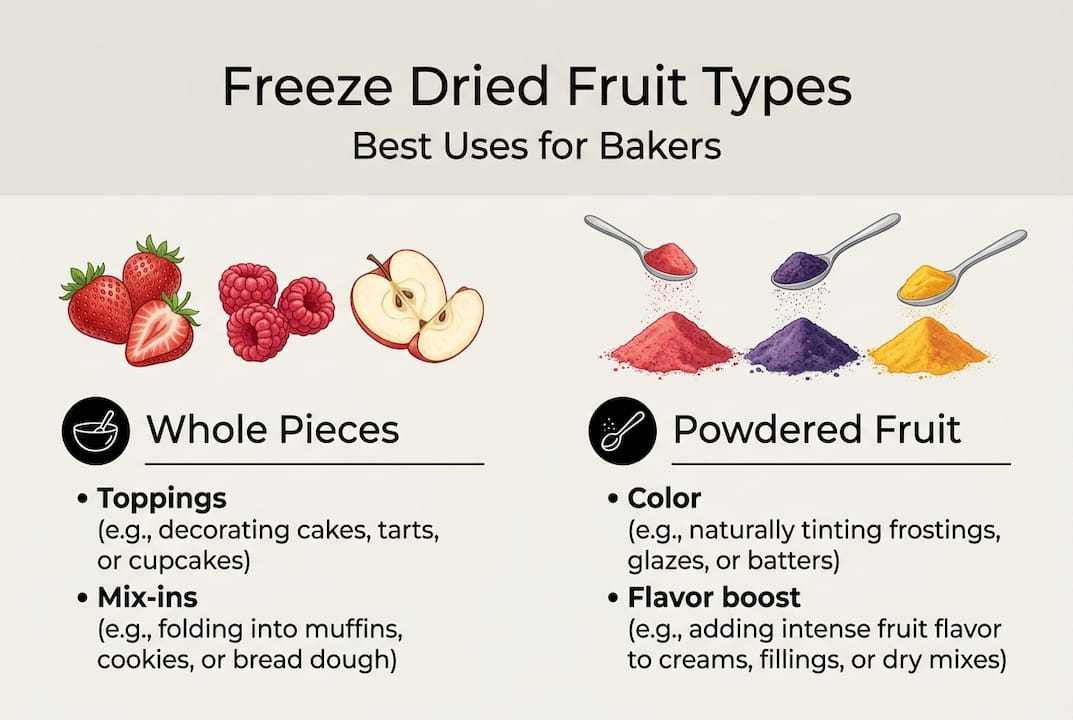
Storage matters immediately after opening packages. Transfer unused fruit to containers with tight sealing lids. Keep them in pantry spaces away from heat sources and moisture. Properly stored freeze dried fruit maintains quality for months, giving you flexibility to bake whenever inspiration strikes without worrying about spoilage.
Step by step guide to incorporating freeze dried fruit in your baking
Incorporating freeze dried fruit requires different techniques depending on the form you’re using and your desired outcome. Whole pieces fold best into batters at the very end of mixing to prevent crushing. Add them after you’ve combined wet and dry ingredients and achieved your target consistency. Gentle folding with a spatula preserves their structure and ensures even distribution without creating fruit dust.
For powdered applications, blend the fruit into your dry ingredients before adding liquids. This method distributes color and flavor uniformly throughout the batter. Sift powdered fruit with flour, baking powder, and other dry components to eliminate clumps. In frostings and icings, add powder gradually while beating to achieve your preferred shade and taste intensity. Freeze dried fruit baking tips emphasize starting with one to two tablespoons and adjusting upward.
Pro Tip: Coat whole freeze dried pieces lightly in flour before folding them into wet batters. This coating prevents them from sinking to the bottom during baking and reduces excessive moisture absorption that can create chewy spots.
Rehydration opens additional possibilities when you want softer fruit pieces. How do you add freeze dried fruit to a cake? explains that soaking one part fruit in two to three parts liquid for five to ten minutes creates plumper pieces. Use water, fruit juice, or even liqueur depending on your recipe. Drain excess liquid before adding rehydrated fruit to prevent batter from becoming too thin.
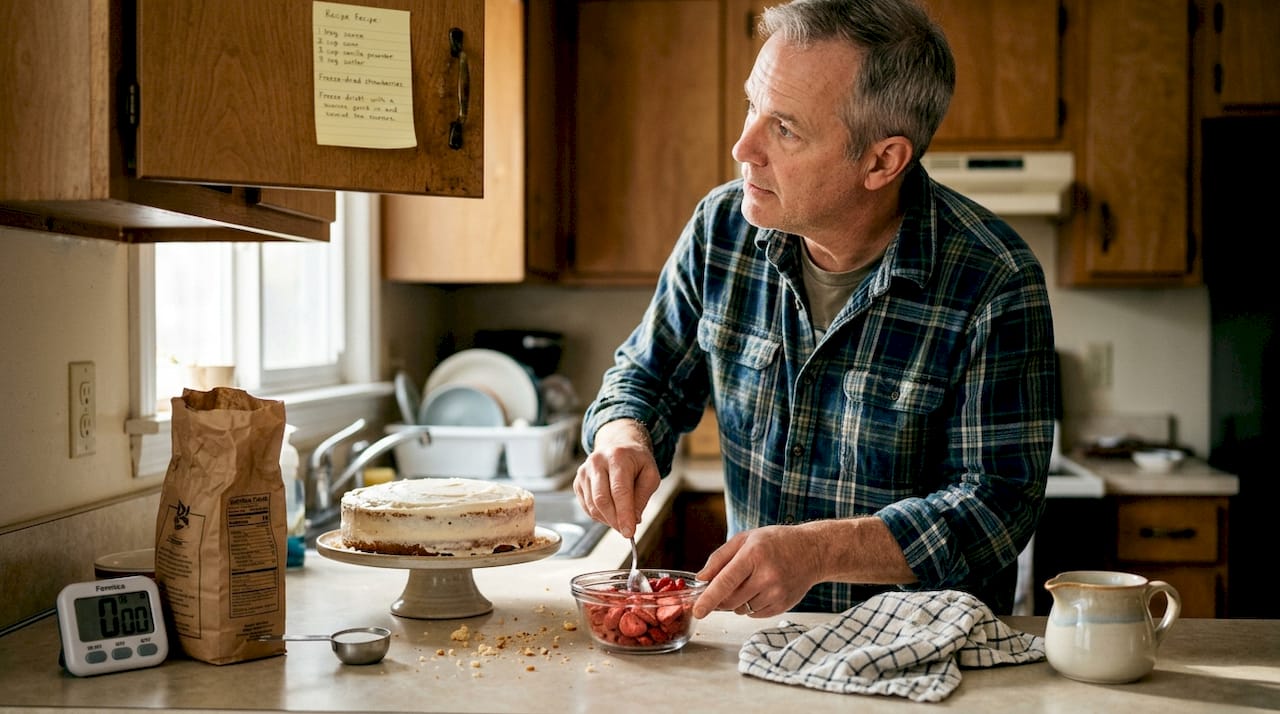
Direct addition to wet batters works surprisingly well for muffins, pancakes, and quick breads. The fruit rehydrates during baking as it absorbs moisture from surrounding ingredients. This technique saves preparation time while delivering good results. Simply fold whole or chopped pieces into your mixed batter and proceed with baking as usual.
Specific application methods:
- Cookies and biscuits: Fold whole pieces into dough after creaming butter and sugar, adding just before portioning.
- Cakes and cupcakes: Mix powdered fruit with dry ingredients or fold chopped pieces into finished batter.
- Frostings: Beat powdered fruit into buttercream or cream cheese base until color and flavor reach desired levels.
- Toppings: Sprinkle whole pieces on muffins, scones, or cakes before baking for decorative crunch.
- Fillings: Rehydrate fruit completely, then mix with thickeners like cornstarch for pie or tart fillings.
Avoid using freeze dried fruit in extremely wet applications like custard pie fillings where fresh fruit performs better. The rehydration process in very liquid environments can create unpleasant chewy textures that detract from the final product. Choose fresh or frozen fruit for these specific uses instead.
Common mistakes and troubleshooting when baking with freeze dried fruit
Overloading batters with freeze dried fruit ranks as the most frequent error. Intense flavor in cookies with freeze dried strawberries warns that excessive amounts create chewy, tough spots as the fruit absorbs surrounding moisture. Start with modest quantities, typically one quarter to one half cup of whole pieces per standard recipe batch. Increase gradually in future attempts once you understand how your specific fruit and recipe interact.
Improper storage destroys freeze dried fruit quickly. Exposure to humidity causes immediate texture changes as the porous structure absorbs moisture from the air. How to store freeze dried sweets for maximum freshness emphasizes airtight containers kept in cool, dry locations. Once packages open, transfer contents immediately to sealed storage. Even brief exposure during humid weather can compromise an entire batch.
Rehydration timing errors lead to suboptimal textures. Under soaking leaves fruit too dry and crunchy when you want softer pieces. Over soaking creates mushy fruit that breaks apart during mixing. Follow the five to ten minute guideline for most applications, checking texture at the five minute mark. Berries rehydrate faster than dense fruits like mango or pineapple, so adjust timing based on your specific ingredient.
Measurement mistakes stem from using volume instead of weight. Freeze dried fruit weighs significantly less than fresh equivalents, and different fruits have varying densities even in dried form. A cup of freeze dried strawberries contains far fewer pieces than a cup of blueberries. Weighing ensures consistency across batches and prevents the guesswork that leads to failed experiments.
Common troubleshooting solutions:
- Chewy texture in baked goods: Reduce fruit quantity by half and coat pieces in flour before adding.
- Uneven color distribution: Use powdered form mixed thoroughly with dry ingredients instead of whole pieces.
- Fruit sinking to bottom: Toss pieces in flour coating and fold in at the very end of mixing.
- Loss of crunch: Storing freeze dried fruit properly in airtight containers prevents moisture absorption.
- Too intense flavor: Start with smaller amounts and increase gradually in subsequent batches.
“The key to success with freeze dried fruit is understanding that less often delivers more impact. A little goes a long way in creating vibrant flavor and color.”
Advanced bakers sometimes use sugar impregnation pretreatment to improve moisture stability and texture. This technique involves soaking fruit in sugar syrup before freeze drying, creating a product that handles moisture better in wet batters. Most home bakers won’t need this level of complexity, but commercial operations producing fruit filled products may find it valuable for consistent results.
What to expect: results and benefits of baking with freeze dried fruit
Freeze dried fruit transforms baked goods with concentrated flavor that fresh fruit cannot match. The removal of water intensifies natural sugars and aromatic compounds, creating taste explosions in every bite. A single freeze dried strawberry delivers more berry flavor than three fresh ones. This concentration means you need less fruit to achieve bold results, making recipes more economical while enhancing sensory impact.
Visual appeal improves dramatically with naturally vibrant colors. Dehydrated vs freeze dried fruit differences shows that freeze dried products retain up to 97% of nutrients and display brighter hues than dehydrated alternatives. Raspberries maintain deep red tones, blueberries stay purple, and mangoes keep their golden orange. These colors transfer beautifully to frostings, icings, and batters without artificial dyes.
Nutritional advantages make freeze dried fruit a smart choice beyond convenience. The freeze drying process preserves vitamins, minerals, and antioxidants that degrade during traditional dehydration. Nutritional value of freeze dried fruit remains nearly identical to fresh, giving your baked goods genuine nutritional value alongside great taste. Parents appreciate sneaking extra fruit servings into treats their children love.
| Attribute | Freeze Dried | Dehydrated | Fresh |
|---|---|---|---|
| Nutrient retention | 97% | 60-75% | 100% |
| Texture in baking | Crisp or rehydrated | Chewy | Soft, wet |
| Shelf life | 12-24 months | 6-12 months | Days to weeks |
| Moisture added | None (unless rehydrated) | Minimal | Significant |
| Color vibrancy | Bright, natural | Dull, brown tones | Bright |
Structural integrity improves when you substitute freeze dried for fresh fruit in moisture sensitive recipes. Cakes maintain even crumb structure without soggy spots. Cookies stay crisp instead of spreading into puddles. Scones hold their shape and develop proper flaky layers. This reliability makes recipe development more predictable and reduces batch failures.
Year round availability eliminates seasonal limitations. Bake strawberry shortcake in January or raspberry tarts in November without compromising quality or paying premium prices for out of season produce. Freeze dried options cost less per serving than fresh berries during winter months while delivering superior baking performance. Stock your pantry with favorite fruits and bake whenever inspiration strikes.
Shelf stability extends creative possibilities:
- Create signature flavor combinations unavailable with fresh ingredients
- Develop consistent products for cottage food businesses or farmers market sales
- Experiment with exotic fruits like dragon fruit or passion fruit without waste concerns
- Prepare holiday baking ingredients months in advance
- Build emergency baking supplies that remain ready for spontaneous projects
Decorative applications showcase freeze dried fruit’s versatility. Whole pieces make stunning cake toppers that won’t wilt or weep. Powdered fruit creates custom colored sugar for rimming cocktail glasses or coating truffles. Crushed pieces add textural interest to cookie edges or cupcake tops. The possibilities extend far beyond mixing fruit into batters.
Explore premium freeze dried fruit products and co-packing services
Taking your baking to the next level requires reliable sources for quality freeze dried ingredients. Spaceman offers premium freeze dried fruit and candy products perfect for home bakers and commercial operations alike. Our selection includes popular berries, tropical fruits, and unique options that inspire creative recipe development.

Looking to launch your own branded line of freeze dried products? Our private label co-packing and packaging services handle everything from custom formulations to finished packaging. Whether you’re starting a cottage food business or expanding an existing bakery’s product line, we provide the expertise and infrastructure to bring your vision to market.
Retailers and wholesale buyers benefit from our freeze dried candy starter pack featuring 40 bags in assorted flavors. The freeze dried candy display rack with 60 bags creates eye catching presentations that drive impulse purchases. These solutions make adding freeze dried products to your inventory simple and profitable.
FAQ
Can freeze dried fruit replace fresh fruit in all baking recipes?
Freeze dried fruit excels in dry batters, cookies, scones, and toppings where moisture control matters. It struggles in wet applications like custard pies or fresh fruit tarts that rely on soft, juicy texture. For recipes specifically designed around fresh fruit characteristics, stick with fresh or consider rehydrating freeze dried pieces completely before use.
How do I store freeze dried fruit to keep it fresh for baking?
How to store freeze dried sweets for maximum freshness recommends airtight containers in cool, dry pantry locations away from direct sunlight. Transfer opened packages immediately to sealed storage to prevent humidity exposure. Properly storing freeze dried fruit maintains crispness and flavor for 12 to 24 months, though most bakers use supplies much faster once they discover the possibilities.
What is the best way to measure freeze dried fruit for recipes?
Always measure by weight using a digital kitchen scale for consistent results across batches. Intense flavor in cookies with freeze dried strawberries emphasizes that volume measurements mislead because freeze dried fruit weighs far less than fresh equivalents. Start with 15 to 30 grams per standard recipe batch, then adjust based on your taste preferences and desired intensity.
Should I rehydrate freeze dried fruit before adding it to batter?
How do you add freeze dried fruit to a cake? explains that rehydration depends on your texture goals. Soak one part fruit in two to three parts liquid for five to ten minutes when you want softer pieces in cakes or muffins. Skip rehydration for crunchy toppings, powdered applications in frostings, or when adding directly to wet batters that provide moisture during baking.