

Stocking snack foods with confidence means knowing exactly how long freeze-dried fruits stay at their best. For Canadian retail buyers, the line between fresh appeal and costly spoilage hinges on shelf life defined by flavor, texture, and safety stability. Freeze-dried fruits go a step further, holding their crispness and nutrients thanks to extreme moisture removal and controlled storage. This overview highlights how shelf life works, what truly affects it, and why it matters for profitable inventory decisions.
Table of Contents
- Defining Shelf Life of Dried Fruit
- Freeze-Dried Versus Other Dried Fruits
- Key Factors That Shorten Shelf Life
- Best Storage and Packaging Solutions
- Recognizing Spoilage and Quality Loss
Key Takeaways
| Point | Details |
|---|---|
| Understanding Shelf Life | Shelf life is about maintaining quality, including flavor, texture, and safety, not just expiry dates. |
| Impact of Storage Factors | Moisture control, temperature, and humidity are critical to preserving dried fruit quality and shelf life. |
| Difference in Drying Methods | Freeze-dried fruits offer longer shelf life and better nutrient retention than traditionally dried fruits. |
| Regular Quality Checks | Monthly product evaluations help catch spoilage signs early, ensuring high quality and customer satisfaction. |
Defining Shelf Life of Dried Fruit
So what exactly is shelf life for dried fruit? It’s not just a number on a label, and it’s definitely not one-size-fits-all. Shelf life refers to the period during which dried fruit maintains acceptable quality in terms of flavor, texture, and safety before it starts degrading noticeably.
The catch? This timeframe varies wildly depending on what you’re stocking and how you store it. Understanding the difference between shelf life and expiration is crucial for your retail strategy, especially when you’re managing inventory rotation and customer satisfaction.
Why Shelf Life Matters for Your Business
For Canadian retail buyers managing snack food sections, shelf life directly impacts profitability. Products sitting past their peak don’t just lose appeal, they create liability concerns and waste valuable shelf space. You need to know exactly how long you can confidently sell each product before quality takes a nosedive.
Proper moisture content and water activity are the primary indicators of how long your dried fruit will stay stable. When these remain controlled, microbiological safety typically follows along. That’s why the storage conditions you maintain matter more than almost anything else.
Shelf life is defined by the period when dried fruit maintains acceptable quality, including flavor, texture, and safety, not just whether it’s technically edible.
Key Factors That Define Shelf Life
Multiple elements work together to determine how long your dried fruit actually lasts:
- Moisture content - Higher moisture means shorter shelf life and faster degradation
- Water activity levels - Lower water activity dramatically extends stability
- Packaging quality - Airtight containers and proper barriers prevent moisture infiltration
- Storage temperature - Cool environments slow degradation significantly
- Light exposure - Darkness preserves color and prevents quality loss
- Humidity control - Dry storage conditions are non-negotiable
Research into freeze-dried fruit shelf life stability shows that factors like color changes and non-enzymatic browning affect different fruits in unique ways. Pineapple, papaya, mango, coconut, and banana slices each have their own stability curves.
Typically, dried fruits last from several months up to a year when stored properly. Some premium freeze-dried options extend even further. The real question is whether your current storage methods are actually supporting that maximum timeline.
The Quality Baseline
Defining shelf life starts with establishing what “acceptable quality” means for your operation. Are you looking at visual appeal? Flavor intensity? Texture preservation? Most retailers consider all three.
Colorization matters more than you’d think. Discoloration and browning become visible to customers and signal age, even if the product is still technically safe. That perception directly affects your sales.
Pro tip: Test your longest-stored items monthly by evaluating color, aroma, and taste against newly received stock, then use those real-world observations to set your confidence dates rather than relying solely on manufacturer estimates.
Freeze-Dried Versus Other Dried Fruits
Here’s the thing: not all dried fruit is created equal. The method used to remove moisture dramatically changes what you’re actually selling to customers. Freeze-dried and conventionally dried fruits are fundamentally different products, even though they occupy the same shelf space in your store.
Understanding these differences is critical for your inventory decisions, pricing strategy, and customer expectations. The wrong choice can hurt your margins or damage customer loyalty if people feel misled about what they’re buying.
The Core Difference: How They’re Made
Conventional drying uses heat, typically ranging from 140 to 180 degrees Fahrenheit, to evaporate moisture gradually. This method is fast and cost-effective, which is why it’s been standard for centuries.
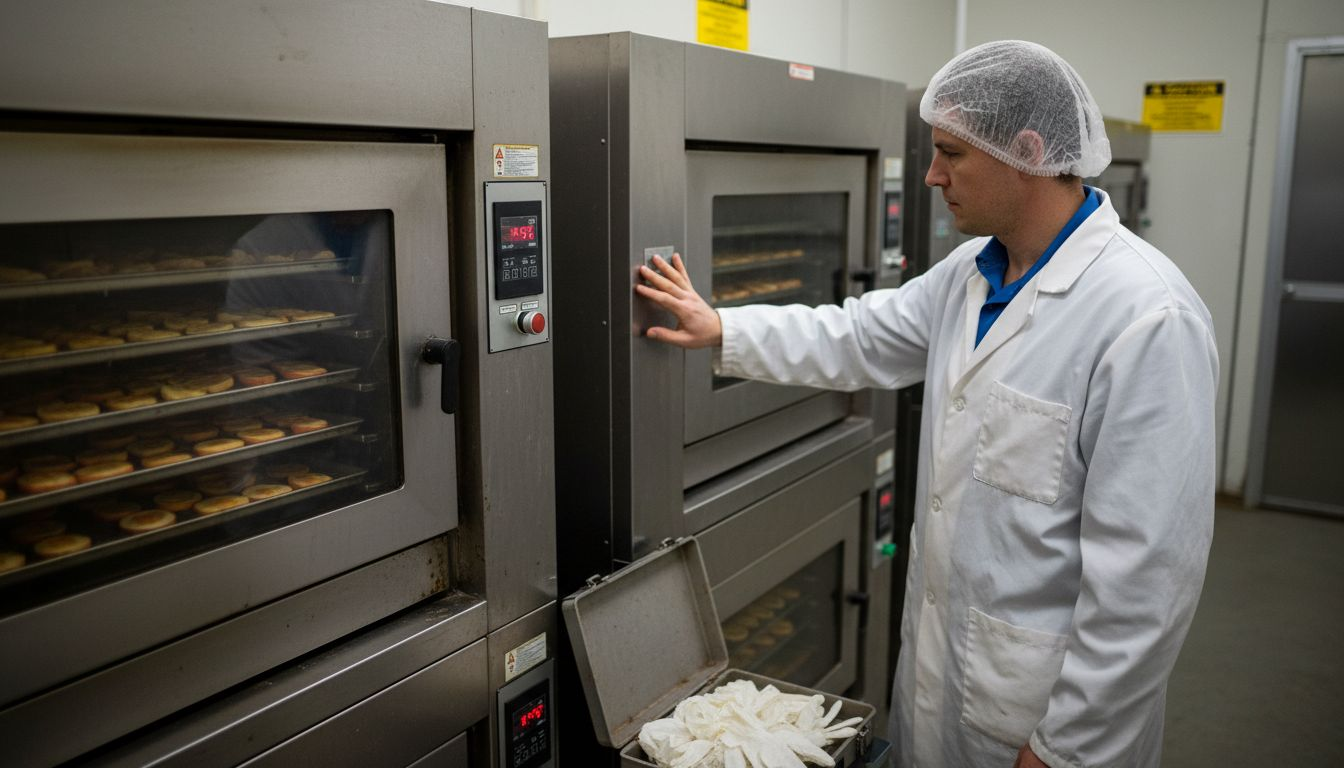
Freeze-drying takes a completely different approach. Fruit is frozen solid, then moisture is removed through sublimation in a vacuum chamber. This means ice transforms directly into vapor without passing through a liquid state, preserving the fruit’s internal structure far better than heat ever could.
The process sounds complex because it is. That’s why freeze-dried fruit costs more to produce and commands higher retail prices. But here’s what matters for your buyers: the end product performs differently.
Moisture Removal Rates Tell the Story
Conventional drying removes approximately 90-95% of the fruit’s moisture content. That might sound thorough, but freeze-drying takes it further.
Freeze-drying removes 98-99% moisture, creating an exceptionally shelf-stable product. This higher moisture removal directly correlates with longer shelf life and better stability in your storage conditions.
The practical impact? Freeze-dried fruit can sit longer on your shelves without quality degradation, reducing waste and improving your inventory turnover ratios.
Quality Comparison at a Glance
Here’s how these products stack up across the metrics that matter to retailers:
Here’s a quick comparison of freeze-dried and conventionally dried fruits to help with inventory choices:
| Attribute | Freeze-Dried Fruit | Conventional Dried Fruit |
|---|---|---|
| Processing Temperature | Below freezing, then vacuum | 140-180°F heated air |
| Texture After Storage | Crispy and light | Chewy or hard |
| Shelf Life (Proper Storage) | 1-2 years or more | Several months to 1 year |
| Nutrient Preservation | Retains most vitamins and color | Partial loss due to heat |
| Storage Risk Factors | Moisture re-absorption, poor seal | Moisture, heat, and light |
| Typical End Customer | Premium health-focused buyers | Budget-conscious and general use |
- Texture - Freeze-dried stays crispy; conventional becomes chewy or hard
- Nutrient retention - Freeze-dried preserves more phenolic compounds and antioxidants
- Color preservation - Freeze-dried maintains original color; conventional may darken
- Flavor intensity - Freeze-dried concentrates natural flavors; conventional can fade them
- Shelf life - Freeze-dried extends significantly longer under proper storage
- Cost per unit - Conventional is less expensive to produce and purchase
Freeze-dried fruits retain more nutrients because they avoid heat exposure, while conventional drying causes nutrient degradation through thermal processing.
The Shelf Life Advantage
This is where freeze-dried really pulls ahead for your business model. The removal of 98-99% moisture creates an environment where microbiological growth and oxidation happen much more slowly.
When you stock freeze-dried fruit, you’re managing inventory differently than conventional dried fruit. Your turnover expectations shift. Products last longer, which means less waste, less markdown pressure, and better profit margins on premium products.
Conventional dried fruit still has legitimate uses—it’s perfect for budget-conscious customers and works wonderfully in applications like baking or trail mixes where the chewy texture is actually preferred.
Making the Right Choice for Your Inventory
Both types serve distinct market segments. Your decision depends on what your Canadian retail customers actually want and what margins you need to hit.
Freeze-dried fruit attracts premium customers willing to pay more for quality, nutrition, and convenience. Conventional dried fruit captures price-sensitive buyers and those with texture preferences. Many successful retailers stock both to serve different customer needs.
Pro tip: Stock freeze-dried and conventional dried fruits in adjacent sections with clear labeling of their differences—customers often don’t realize these are distinct products, and educating them on texture, nutrition, and shelf life can justify the premium pricing on freeze-dried options.
Key Factors That Shorten Shelf Life
Shorter shelf life doesn’t happen by accident. There are specific culprits that actively work against your dried fruit’s longevity, and understanding them gives you real control over your inventory quality. Most of these enemies are predictable and manageable if you know what to watch for.
The good news? You can combat almost every factor that degrades your product. The bad news? Ignoring even one of them can significantly cut into your profits and customer satisfaction.
Moisture: The Primary Enemy
Moisture is the biggest threat to dried fruit shelf life. Even though your product has already been dried, it’s hygroscopic, meaning it naturally absorbs moisture from the air. Once moisture creeps back in, everything falls apart.
When moisture content increases over time, water activity rises alongside it. This creates the perfect environment for microbial growth and accelerates chemical spoilage reactions. Your fruit goes from stable to compromised faster than you’d expect.
This is why humidity control in your storage space matters more than temperature alone. A humid warehouse can destroy your inventory even when the temperature is ideal.
Temperature and Humidity: The Storage Saboteurs
High temperatures and humidity are a destructive combination that accelerates virtually every degradation process. Heat speeds up chemical reactions, while moisture provides the medium for those reactions to occur.
Environmental factors like high temperature, humidity, and microbial contamination directly accelerate spoilage. Your storage facility’s climate control isn’t a luxury feature—it’s a business necessity.
Even small fluctuations matter. A warehouse that swings from cool mornings to warm afternoons creates condensation cycles that invite moisture back into your packaging. That’s why consistent temperature control beats occasional adjustments.
Enzymatic Browning and Oxidation
These chemical processes are invisible but relentless. Enzymatic browning causes discoloration that customers immediately notice and interpret as age or poor quality. Oxidation degrades nutrients and flavor compounds simultaneously.
Both happen during drying and continue during storage. Pre-treatment methods and proper drying techniques can slow them, but they never fully stop. This is why packaging quality becomes critical.
Microbial Contamination
Mold, bacteria, and fungi don’t need much to thrive in dried fruit. They only require moisture and time. Once water activity increases from moisture absorption, microbial growth accelerates exponentially.
Contamination happens through:
- Inadequate initial drying or processing
- Exposure to air and humidity in storage
- Poor packaging integrity or damaged seals
- Cross-contamination from surrounding products
- Temperature fluctuations creating condensation
High moisture content enables microbial growth and chemical spoilage, making humidity management your single most important storage priority.
Packaging Failures
Even excellent dried fruit degrades quickly in bad packaging. Barrier properties matter enormously—materials must block oxygen, moisture, and light simultaneously.
Common packaging failures include:
- Porous or thin materials that don’t block moisture
- Damaged seals or improper closures
- Transparent packaging that exposes fruit to light
- Oversized packages with excessive air space
- Packages that don’t seal properly after opening
This is where your co-packing partner’s expertise becomes invaluable. Quality packaging extends shelf life dramatically and protects your brand reputation.
Pro tip: Monitor your storage environment’s temperature and humidity daily using a calibrated hygrometer, and conduct monthly visual inspections of your oldest stock—color changes and any visible moisture inside packaging signal that your storage conditions need immediate adjustment.
Best Storage and Packaging Solutions
Getting storage and packaging right is where theory meets profit. You can have the best dried fruit in Canada, but poor storage conditions or inadequate packaging will destroy it before customers ever see it. This is where you reclaim control over shelf life and quality.
The investment in proper solutions pays for itself through reduced waste, fewer customer complaints, and the ability to confidently extend your inventory timelines.
Temperature and Humidity Control
Your storage facility is arguably your most important asset. Consistent temperature between 50-70 degrees Fahrenheit with humidity below 50 percent creates the ideal environment for dried fruit stability.
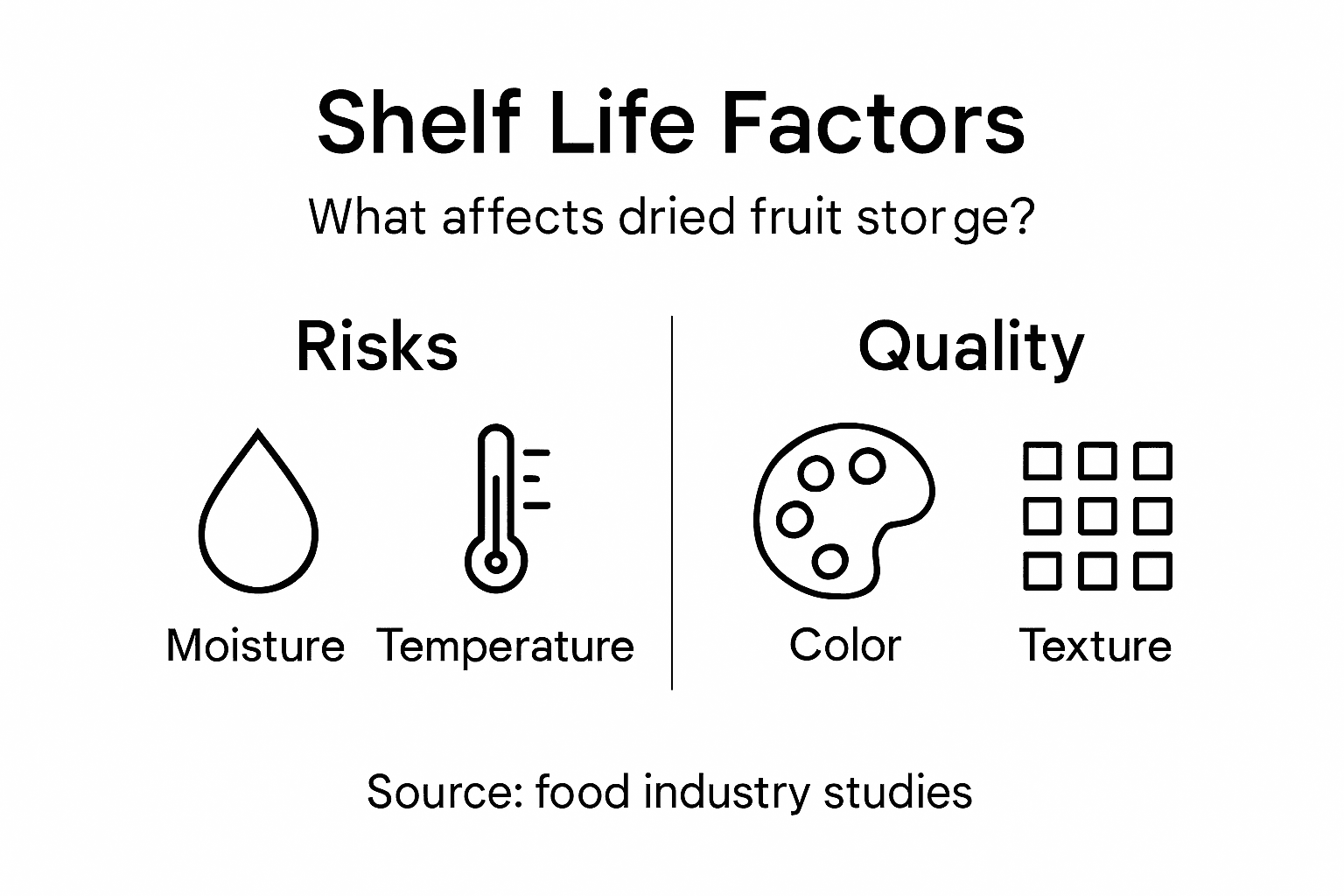
Temperature fluctuations are your enemy. A warehouse that swings 20 degrees between day and night creates condensation cycles that allow moisture to re-enter your packaging. Invest in climate control that maintains consistency, not just average conditions.
Humidity matters more than most retailers realize. Even modest humidity increases accelerate degradation exponentially. A hygrometer becomes a necessity, not a luxury.
Packaging Material Selection
Not all packaging is created equal, and understanding different food packaging types helps you select materials with proper barrier properties. You need packaging that simultaneously blocks moisture, oxygen, and light.
Multi-layer films with aluminum foil or metallized coatings provide superior protection compared to single-layer materials. They’re more expensive, but the shelf life extension justifies the cost immediately.
Transparent packaging looks appealing on retail shelves, but it exposes your product to light degradation. Consider opaque or frosted options that preserve quality while still showing enough product to attract customers.
Nitrogen Flushing and Modified Atmosphere Packaging
The internal atmosphere of packaging significantly impacts dried fruit quality during storage. Nitrogen flushing removes oxygen before sealing, dramatically slowing oxidation and preventing aerobic microbial growth.
This technology is standard in premium dried fruit packaging and is worth the investment for products positioned as higher-end offerings. It extends shelf life by months and maintains color and flavor intensity that customers expect from quality products.
Your co-packing partner should offer this as a standard service for freeze-dried fruit products. If they don’t, it’s worth asking why.
Proper Sealing and Closure Systems
Even perfect packaging fails if the seal isn’t airtight. Impermeable seals are non-negotiable. Small gaps or weak closures invite moisture infiltration that undoes everything else you’ve invested in.
Sealing methods matter:
- Heat sealing for maximum security and consistency
- Vacuum sealing to remove air pockets before closure
- Resealable closures for consumer convenience without sacrificing initial protection
- Tamper-evident seals that signal any compromise to customers
Proper sealing and selective barrier films are critical to maintaining quality and extending shelf life in dried fruits.
Storage Organization and Rotation
Your storage system must support first-in-first-out rotation. Older inventory moves first. Neglecting rotation turns premium products into clearance items.
Organize your warehouse by:
- Product type and moisture content
- Receipt date and best-by date
- Proximity to climate-controlled storage
- Separation from high-humidity or temperature-prone zones
- Regular visibility for quality inspections
Pro tip: Implement a simple QR code or batch number tracking system that lets you verify exact storage dates and environmental conditions for each package, giving you data to confidently extend shelf life claims or identify problem batches before they reach customers.
Recognizing Spoilage and Quality Loss
Spoilage doesn’t announce itself with a warning label. It creeps in quietly through sensory changes that customers notice before you do. Learning to spot these early warning signs is the difference between catching a problem batch and shipping compromised product to your retail partners.
The stakes are high here. One bad experience with moldy or off-flavored dried fruit damages trust that takes months to rebuild. Your reputation depends on recognizing quality loss before it reaches store shelves.
Visible Signs of Deterioration
Your eyes are your first line of defense. Discoloration, spots, and visible mold growth are unmistakable red flags. But spoilage often starts subtly before becoming obvious.
Watch for:
- Darkening or browning that exceeds normal oxidation
- White, gray, or fuzzy growth on the surface
- Oily or wet appearance indicating moisture re-absorption
- Crystallization or clumping that signals sugar degradation
- Visible damage or crumbling texture changes
Even small discolored patches deserve attention. Mold growth accelerates exponentially once it starts, and a tiny spot today becomes a ruined batch tomorrow.
Odor and Aroma Changes
Off-odors are reliable indicators of microbial contamination or advanced oxidation. A sour, fermented, or musty smell means microbial activity is already well underway. Trust your nose on this one.
Fresh dried fruit should smell like concentrated fruit flavor. Anything sour, chemical, or stale signals degradation. If you wouldn’t want to eat it based on smell, your customers won’t either.
Below is a summary of quality checkpoints retailers should monitor to minimize dried fruit spoilage and maximize customer satisfaction:
| Quality Indicator | What to Check | Business Benefit |
|---|---|---|
| Color | Uniform, no browning | Maintains visual shelf appeal |
| Aroma | Fresh, no off-odors | Early spoilage detection |
| Texture | Consistent, intact | Identifies storage issues early |
| Taste | Bright, full flavor | Prevents negative feedback |
| Packaging Integrity | No leaks or gaps | Preserves shelf life, reduces loss |
Texture Deterioration
Freeze-dried fruit should be crispy and light. Dried fruit should have some chew but remain intact. Mushiness, stickiness, or excessive hardness all indicate moisture problems or structural breakdown.
When fruit becomes overly soft or sticky, water activity has increased significantly. This creates perfect conditions for microbial growth that may not yet be visible.
Taste and Flavor Loss
Flat, stale, or off-flavors develop as volatile compounds degrade. Undesirable changes in taste and odor make fruits unfit for consumption even when not visibly moldy.
Taste deterioration happens gradually. Monthly sampling of your oldest stock reveals these changes before they become customer complaints. This proactive testing gives you data to adjust shelf life dates confidently.
Early recognition of spoilage symptoms is key to preventing large losses and protecting your brand reputation.
Establishing a Testing Protocol
Don’t wait for customer complaints to discover problems. Monthly sensory evaluations of your longest-stored inventory catch issues early when you can still salvage decisions.
Your testing routine should include:
- Visual inspection under consistent lighting
- Aroma evaluation by fresh smellers (nose fatigue is real)
- Texture assessment through touch and bite
- Flavor tasting on fresh palates
- Documentation of any changes from baseline
Keep simple records. Note the batch, storage date, visual observations, and sensory notes. Over time, you’ll see patterns that reveal your actual shelf life limits.
When to Pull Product
The decision to remove product from sale must be decisive. If you have doubts about any sensory attribute, the product goes. Period. One refund is cheaper than a customer hospitalization claim.
Document every batch removal with photos and notes. This data helps you identify storage problems or supplier issues before they affect future inventory.
Pro tip: Conduct weekly spot-checks of your display inventory and monthly deep dives into back-stock, always tasting products blind against freshly received baseline samples to catch degradation that your nose might miss due to gradual acclimation.
Enhance Your Dried Fruit Shelf Life With Expert Packaging and Storage Solutions
Dealing with moisture absorption, temperature fluctuations, and packaging failures can quickly undermine the quality and shelf life of your dried fruit products. If you want to prevent costly waste, maintain vibrant color, crisp texture, and nutritional value, it is essential to adopt superior packaging techniques and controlled storage environments. Our specialized services address these critical challenges by offering advanced co-packing, private labeling, and packaging solutions designed specifically for freeze-dried products that demand longer shelf stability and premium presentation.

Discover how partnering with a reliable Canadian freeze-dried candy manufacturer like Space Man can transform your inventory management and boost customer satisfaction. Visit our website now to explore our customizable packaging options and expert co-packing services crafted to preserve and extend the shelf life of your dried fruit offerings. Take control of your product quality today and ensure your customers experience peak freshness every time.
Frequently Asked Questions
What is the shelf life of dried fruit?
Shelf life for dried fruit varies depending on moisture content, storage conditions, and packaging quality, typically ranging from several months to up to two years for freeze-dried options.
How can I extend the shelf life of dried fruit?
To extend shelf life, store dried fruit in a cool, dark place, control humidity, use airtight packaging, and consider nitrogen flushing to reduce oxidation.
What are the key differences between freeze-dried and conventionally dried fruit?
Freeze-dried fruit retains more nutrients and texture, has a longer shelf life, and is processed at lower temperatures compared to conventionally dried fruit, which typically becomes chewy and may lose more vitamins due to heat exposure.
How can I tell if dried fruit has spoiled?
Signs of spoilage include discoloration, visible mold growth, off odors, changes in texture (such as mushiness), and stale or off-flavors. Regular sensory evaluations can help detect these issues early.
Recommended
- Freeze Dried Fruit Shelf Life: Maximizing Profits – Spaceman
- Shelf Life of Freeze Dried Fruit – What Retailers Need – Spaceman
- Complete Guide to Benefits of Freeze Dried Fruit – Spaceman
- Shelf Life of Freeze Dried Food: What Retailers Should Know – Spaceman
- Parfüm richtig lagern Anleitung: Duft und Haltbarkeit sichern – Pure Parfüm