

Finding the perfect balance between freshness and shelf life can challenge every Canadian candy shop owner, especially when freeze-dried treats are in high demand. With more than 40 percent of American desserts now sold in frozen formats, customers expect both excellent taste and texture with every purchase. Mastering modern freezing methods and packaging strategies allows local shops to compete with larger American brands while keeping their products appealing and safe for Canadian customers.
Table of Contents
- What Freezing Means in Food Preservation
- Types of Freezing Methods for Candy
- How Freezing Affects Texture and Nutrition
- Critical Packaging Factors for Frozen Goods
- Risks, Common Mistakes, and Safe Handling
Key Takeaways
| Point | Details |
|---|---|
| Importance of Freezing | Freezing preserves the quality, texture, and nutrition of food by halting microbial growth and enzymatic activity. |
| Freezing Techniques | Selection of freezing methods, such as flash freezing and liquid nitrogen freezing, significantly affects the texture and shelf life of candy products. |
| Nutritional Integrity | Proper freezing at peak freshness helps maintain the nutrient integrity of foods, and some frozen items can be nutritionally superior to fresh ones. |
| Packaging Considerations | High-quality, moisture-resistant packaging is essential to protect frozen foods from degradation and ensure optimal shelf life. |
What Freezing Means in Food Preservation
Freezing is a sophisticated food preservation method that transforms ordinary storage into an extraordinary technique for maintaining quality and nutrition. At its core, freezing is a scientific process where water inside food becomes solid ice through rapid cooling, creating an environment that dramatically slows food degradation.
The magic of freezing occurs at the molecular level. When temperatures drop below 32°F, water molecules within food stop moving and form ice crystals. This transformation is crucial because it effectively halts microbial growth and enzymatic reactions that typically cause food spoilage. Uniform and quick freezing is essential, as it creates smaller ice crystals that minimize cellular damage, preserving the food’s original texture, flavor, and nutritional profile.
Preservation Mechanisms in freezing include multiple protective strategies:
- Inhibiting bacterial reproduction
- Stopping enzyme activity
- Preventing chemical breakdown of nutrients
- Maintaining molecular structure of food components
Freezing represents more than just cold storage. It’s a globally recognized preservation technique that allows foods to maintain their original characteristics far longer than traditional storage methods. By understanding the science behind freezing, food producers and consumers can optimize storage techniques and extend food shelf life dramatically.
Pro tip: Always freeze food at its peak freshness to preserve maximum nutritional value and taste quality.
Types of Freezing Methods for Candy
Candy manufacturers employ several sophisticated freezing techniques for preserving confectionery quality, each designed to maintain the delicate texture and flavor of sweet treats. The selection of freezing method can dramatically impact the final product’s taste, appearance, and shelf life.
Freezing Methods in candy production range from traditional to cutting-edge technologies:
- Flash Freezing: Rapidly drops temperature to prevent large ice crystal formation
- Tray Freezing: Allows single-layer freezing for uniform cooling
- Liquid Nitrogen Freezing: Ultra-rapid technique for premium confectionery products
Industrial freezing approaches differ significantly in their approach and outcomes. Cryogenic freezing techniques represent the most advanced method, providing near-instantaneous temperature reduction that preserves the molecular structure of candy. This process is particularly crucial for delicate confections, where maintaining original texture and preventing sugar crystallization are paramount.
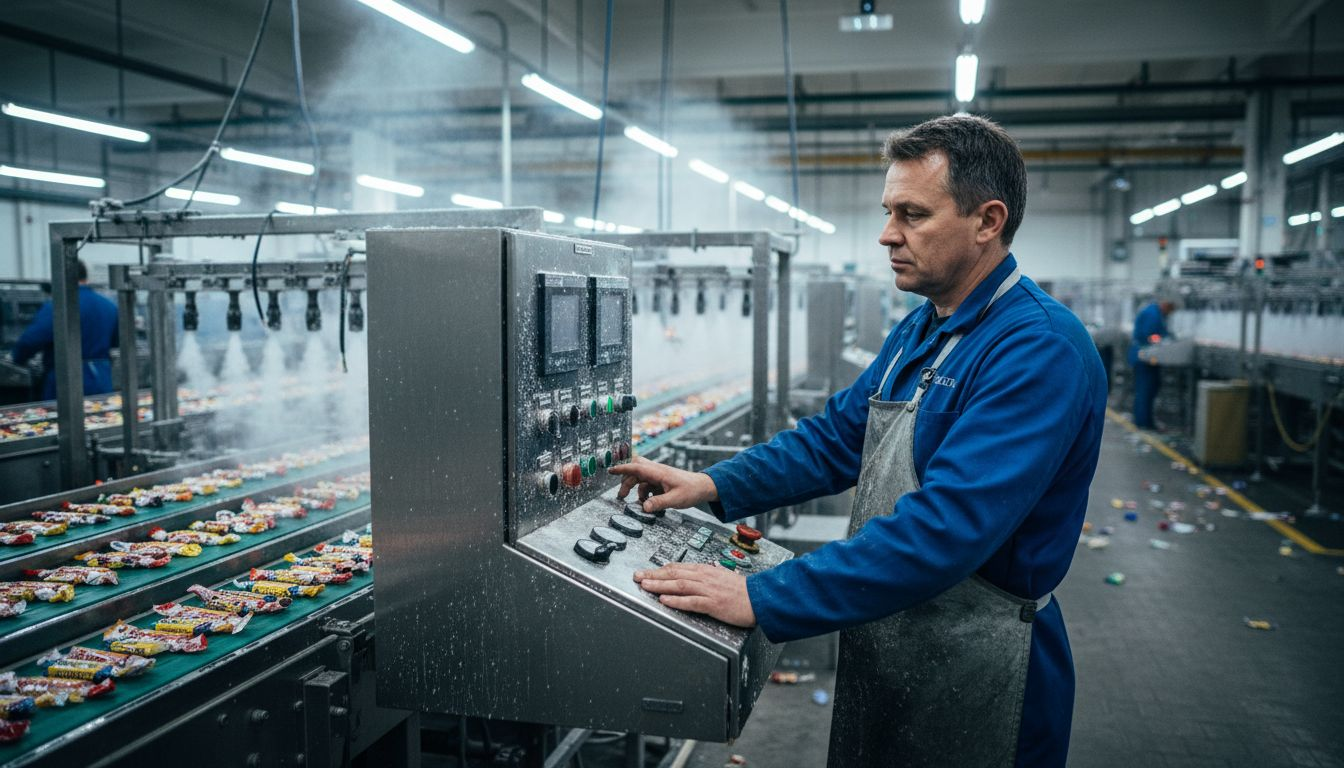
The choice of freezing method depends on several factors, including the type of candy, desired final texture, and production scale. Air blast freezing works well for larger batches, while plate freezing offers precise temperature control for more sensitive candy varieties. Liquid nitrogen freezing remains the gold standard for high-end confectionery producers seeking to maintain absolute quality.
Here’s a comparison of popular freezing methods used for candy production and their primary advantages:
| Freezing Method | Typical Use | Texture Impact | Cost & Implementation |
|---|---|---|---|
| Flash Freezing | Mass candy production | Maintains firmness | Moderate |
| Tray Freezing | Artisanal candies | Uniform texture | Low |
| Liquid Nitrogen | Premium confectionery | Preserves delicate feel | High |
| Air Blast Freezing | Large-scale batches | May create larger crystals | Moderate |
| Plate Freezing | Sensitive candies | Controls texture loss | Moderate |
Pro tip: Select your freezing method based on the specific candy type, prioritizing techniques that minimize ice crystal formation and preserve original flavor profile.
How Freezing Affects Texture and Nutrition
Freezing represents a complex scientific process that profoundly impacts both the physical structure and nutritional composition of foods, especially delicate items like candy. Freezing creates microscopic changes in food tissue, with the speed and method of freezing determining the ultimate quality of the preserved product.
Texture Transformation occurs through intricate cellular mechanisms:
- Rapid freezing creates smaller ice crystals
- Smaller crystals cause minimal cellular damage
- Preserves original food structure and mouthfeel
- Minimizes texture degradation during storage
Nutritional preservation is equally fascinating. Frozen foods can maintain nutrient integrity by dramatically slowing enzymatic and microbial activity. Vitamins like A, D, and C remain relatively stable, with some studies suggesting frozen fruits and vegetables can be nutritionally equivalent or even superior to their fresh counterparts. The key lies in freezing at peak ripeness, effectively “locking in” nutritional value.
Temperature plays a critical role in maintaining food quality. Extremely cold storage temperatures help prevent nutrient degradation and maintain cellular structure. However, repeated thawing and refreezing can compromise both texture and nutritional content, making careful handling essential for preserving the original food quality.
The following table summarizes key factors affecting the preservation of texture and nutrition when freezing foods:
| Factor | Effect on Texture | Effect on Nutrition |
|---|---|---|
| Freezing Speed | Smaller ice crystals, better texture | Locks in vitamins and minerals |
| Storage Temperature | Prevents cellular damage | Minimizes nutrient loss |
| Thawing Methods | Reduces texture breakdown | Preserves nutritional value |
| Refreezing Cycles | Increases cellular disruption | Can degrade vitamins |
Pro tip: Freeze foods quickly at ultra-low temperatures and minimize thawing cycles to preserve maximum nutritional value and texture.
Critical Packaging Factors for Frozen Goods
Packaging plays a critical role in preserving the quality and safety of frozen foods, especially delicate items like candies and confectionery products. Packaging must create robust moisture and oxygen barriers to prevent freezer burn and maintain the product’s original characteristics during storage and transportation.
Key Packaging Considerations for frozen goods include:
- Selecting materials resistant to low temperature degradation
- Ensuring complete air removal before sealing
- Using puncture-resistant packaging
- Implementing effective moisture barriers
- Maintaining package structural integrity
The choice of packaging material directly impacts food preservation. Specialized materials designed for ultra-low temperatures can prevent moisture migration, oxidation, and potential flavor contamination. Vacuum-sealed packaging represents an advanced technique that removes oxygen, further protecting the frozen product’s quality and extending its shelf life.
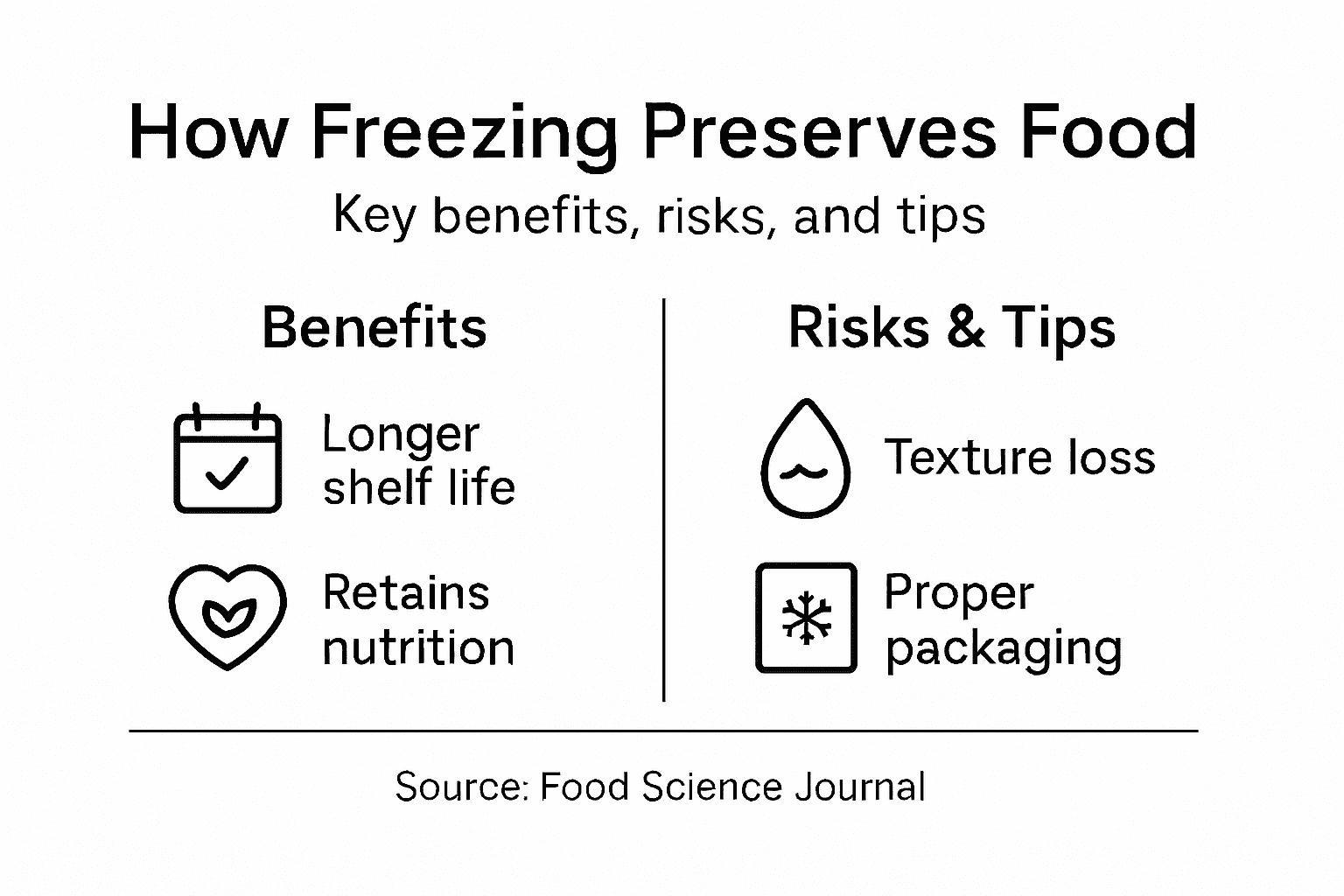
Advanced packaging techniques go beyond simple containment. Multilayered packaging with specialized barriers provides enhanced protection against temperature fluctuations and external contamination. Manufacturers must consider factors like package thickness, seal integrity, and material composition to ensure optimal preservation of frozen goods.
Pro tip: Invest in high-quality, multilayered packaging with excellent moisture and oxygen barriers to maximize frozen food quality and shelf life.
Risks, Common Mistakes, and Safe Handling
Freezing is a precise science that requires meticulous attention to detail. Safe handling of frozen foods involves complex temperature management to prevent microbial growth, contamination, and quality degradation. Understanding potential risks is crucial for maintaining food safety and preserving product integrity.
Critical Risks in Frozen Food Handling:
- Temperature abuse during storage and transportation
- Improper thawing techniques
- Cross-contamination between different food types
- Unexpected freezer temperature fluctuations
- Inadequate packaging protection
Maintaining the cold chain is paramount. Keeping frozen foods consistently at 0°F (-18°C) or below prevents bacterial growth and enzymatic reactions that can compromise food quality. Repeated temperature fluctuations can cause significant damage, leading to freezer burn, texture breakdown, and potential food safety hazards.
Common mistakes often stem from misunderstanding freezing dynamics. Thawing foods at room temperature, refreezing previously thawed items, and overloading freezer spaces can dramatically reduce food quality and safety. Professional food handlers must implement systematic approaches like Hazard Analysis Critical Control Point (HACCP) principles to ensure consistent product protection.
Pro tip: Invest in digital temperature monitoring systems and conduct regular freezer temperature audits to maintain optimal frozen food preservation conditions.
Preserve Food Quality and Freshness with Expert Freezing and Packaging Solutions
Freezing food properly is essential to maintain texture, flavor, and nutrition as detailed in the article. If you are struggling with maintaining your products’ original qualities during freezing and storage, the challenges of selecting the right freezing method or packaging can be overwhelming. The article highlights risks like ice crystal formation, texture degradation, and nutrient loss that can occur without optimized techniques. Our expertise at Space Man directly addresses these pain points by providing advanced freeze drying and freezing methods designed to preserve your candy’s delicate structure and flavor.
Take control of your food preservation today with our comprehensive services including private labeling, co-packing, and specialized packaging that ensure robust moisture and oxygen barriers. Don’t let subpar freezing or packaging ruin your product’s potential. Visit Space Man now to discover how professional-grade freezing and packaging can dramatically extend shelf life and protect your brand’s reputation. Start preserving quality the right way and see the difference cutting-edge food preservation can make.
Frequently Asked Questions
What is freezing and how does it preserve food quality?
Freezing is a method of food preservation that solidifies water inside food, creating an environment that slows down microbial growth and enzymatic reactions, thus maintaining quality and nutrition.
What are the different freezing methods used in food preservation?
Common freezing methods include flash freezing, tray freezing, liquid nitrogen freezing, air blast freezing, and plate freezing, each designed to preserve texture and flavor differently, depending on the food type.
How does freezing affect the texture and nutritional value of food?
Fast freezing creates smaller ice crystals, minimizing cellular damage and preserving original texture. Freezing also helps maintain nutrients like vitamins A, D, and C, particularly when food is frozen at peak ripeness.
What are critical packaging factors for frozen foods?
Packaging should create barriers against moisture and oxygen to prevent freezer burn and preserve quality. High-quality, puncture-resistant materials and vacuum-sealing techniques are recommended for optimal protection.