

TL;DR:
- Freeze drying preserves up to 95% of nutrients and maintains food safety by not killing bacteria. High-fat and high-sugar foods resist the process, making careful food selection essential. Proper process control and storage extend shelf life up to 25 years, reducing long-term costs.
Freeze drying, the technical term for which is lyophilization, is defined as a water removal process that uses sublimation under vacuum to preserve food without heat. Common freeze drying myths have misled consumers for years, creating confusion about nutrition, safety, and cost. The reality is that lyophilization is one of the most effective food preservation methods available, and the misconceptions around it are holding people back from using it well. This article cuts through the noise with expert findings and practical facts.
1. Myth: Freeze drying destroys nutrients
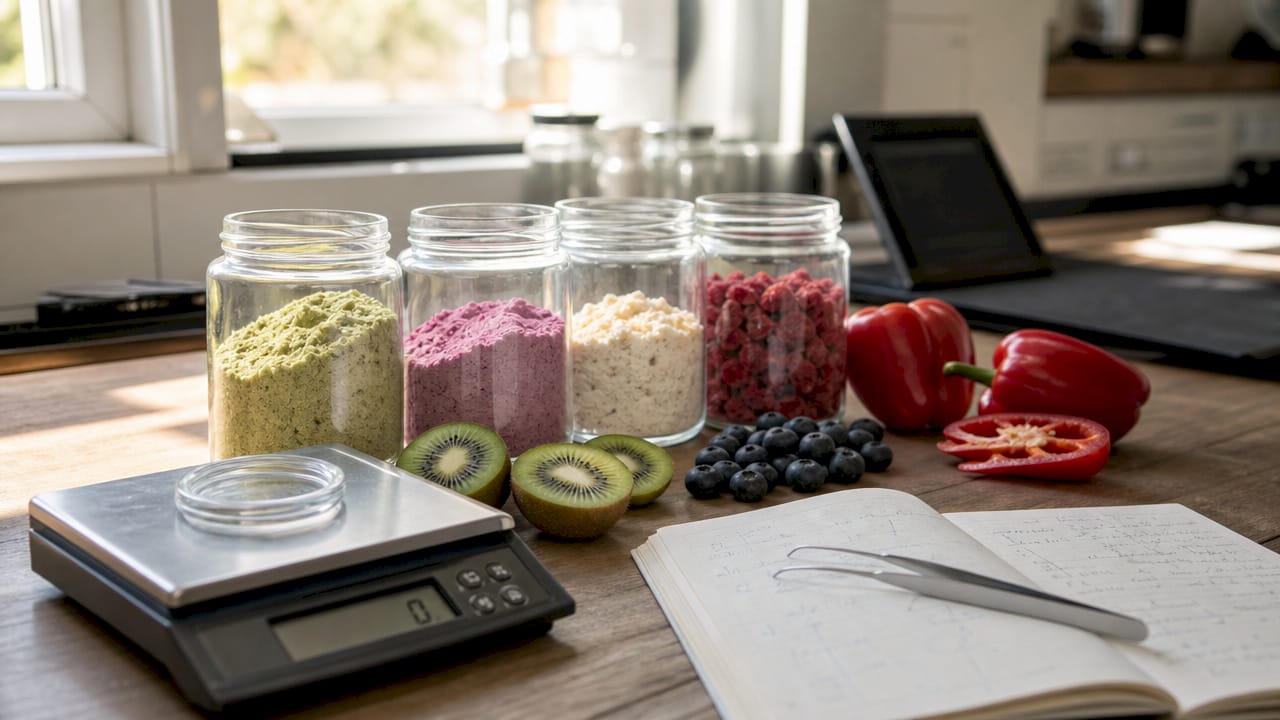
Freeze drying preserves up to 90–95% of nutrients, outperforming both heat-based dehydration and canning. That is not a minor difference. Traditional canning uses high heat, which degrades heat-sensitive vitamins like vitamin C and B-complex almost immediately.
The reason lyophilization protects nutrients so well is the absence of heat. Sublimation removes water by converting ice directly to vapor, never raising the food’s temperature enough to break down vitamins, enzymes, or flavor compounds. The result is a product that tastes, looks, and nourishes almost identically to the fresh original.
If you compare freeze dried strawberries to canned ones, the difference is obvious. The freeze dried version holds its bright color, tart flavor, and vitamin C content. The canned version is softer, darker, and nutritionally diminished. For a deeper look at how the two methods stack up, the dehydrated vs. freeze dried breakdown is worth reading.
| Preservation Method | Nutrient Retention | Flavor Preservation |
|---|---|---|
| Freeze drying (lyophilization) | 90–95% | Excellent |
| Heat dehydration | Moderate loss | Reduced |
| Canning | Significant loss | Noticeably altered |
Pro Tip: Choose freeze drying over dehydration specifically for vitamin C-rich foods like peppers, citrus, and berries, where heat damage is most pronounced.
2. Myth: Freeze dried food is always safe to eat without cooking
This is the freeze drying safety myth that carries the most real-world risk. Freeze drying preserves bacteria in a dormant state. It does not kill them. The process is not sterilization.
Moisture exposure after freeze drying can reactivate dormant pathogens. That means a freeze dried chicken strip that was not cooked first is not safe to eat, even if it looks and feels completely dry. The freeze drying process simply pauses the contamination. It does not erase it.
“Freeze drying preserves the food safety status quo. Whatever contamination was present before drying is still present after. Sanitation and proper cooking are non-negotiable steps, not optional ones.” — Utah State University Extension, Practical Guide to Safe and Effective Freeze-Drying
Safe practice means cooking meats, poultry, seafood, and eggs before freeze drying, or cooking them after rehydration. For proper handling of animal products specifically, the guide on freeze drying meat at home covers the key steps clearly.
- Cook meats, poultry, seafood, and eggs before or after freeze drying
- Keep equipment and trays sanitized before every use
- Target a water activity level between 0.08 and 0.33 for shelf stability
- Store finished products away from moisture immediately after drying
- Never assume dryness equals safety for raw animal products
3. Myth: Freeze drying is too expensive to be practical
The upfront cost of a home freeze dryer is real. The myth is that this cost makes the process impractical. Freeze dried food can last up to 25 years under optimal storage conditions. That shelf life changes the entire cost equation.
Think about it this way: canned goods typically last 2–5 years. Dehydrated foods last 1–4 years under good conditions. Freeze dried food stored in Mylar bags in a cool, dark, dry place can outlast both by decades. The cost-per-serving drops significantly when you spread the investment across 25 years of usable product.
Pro Tip: Calculate cost-per-serving over the full expected shelf life, not just the purchase price. A $50 batch of freeze dried meals that lasts 20 years costs far less per meal than a $10 can that expires in 3 years.
- Long shelf life of up to 25 years reduces replacement frequency
- Mylar bags minimize moisture absorption and maximize freshness
- Sealed glass jars work as a secondary storage option
- Cool, dark, dry storage extends product stability further
- Bulk freeze drying lowers the per-unit energy cost
For a full breakdown of the long-term value, the article on freeze drying for long-term storage goes into the numbers in detail.
4. Myth: You can freeze dry any food
Not every food cooperates with the lyophilization process. High-fat and high-sugar foods resist freeze drying, causing case-hardening and uneven drying. Mayonnaise, heavy cream, cooking oils, and butter fall into this category. They do not freeze dry well, and attempting it wastes time and energy.
The reason comes down to chemistry. Fats do not sublimate. They stay behind and interfere with the drying process, trapping moisture and creating a greasy, unstable product. High-sugar foods like honey or jam behave similarly, staying sticky and never reaching the dry, stable state needed for long-term storage.
Here is a practical breakdown of what works and what does not:
- Fruits and vegetables work very well, especially when sliced evenly
- Cooked meats and poultry freeze dry successfully after proper cooking
- Dairy products like cheese and yogurt work with preparation, but high-fat versions are less reliable
- Eggs freeze dry well when scrambled and cooked first
- Mayonnaise, oils, and heavy cream do not freeze dry and should be avoided
- Honey and jam are too high in sugar and remain sticky and unstable
- Alcohol-heavy foods resist drying due to low freezing points
Spreading food in a single layer on trays and avoiding overfilling are two of the most overlooked preparation steps. Uneven layers mean uneven drying, which creates soft spots and shortens shelf life.
| Food Type | Freeze Drying Suitability | Notes |
|---|---|---|
| Fruits and vegetables | Excellent | Slice evenly, single layer |
| Cooked meats | Good | Must be cooked first |
| High-fat foods (oils, mayo) | Poor | Resist sublimation |
| High-sugar foods (honey, jam) | Poor | Stay sticky, unstable |
| Eggs (cooked) | Good | Scramble and cook before drying |
5. Myth: The freeze drying process is simple and hard to get wrong
The physics behind lyophilization are more nuanced than most people expect. Freeze drying cycles run 12–36 hours depending on the food type, and precise control of vacuum pressure and shelf temperature is what separates a quality product from a collapsed one.
One of the most persistent freeze drying process misconceptions involves ice crystal formation. Recent research clarifies that nucleation temperature alone does not determine ice crystal size. The duration of the temperature ramp during freezing has a greater effect on the final product’s microstructure. This matters because larger ice crystals create larger pores during sublimation, which affects texture and rehydration speed.
“Vapor pressure management is the core physical principle enabling sublimation. Mismanaging it leads to product defects, including collapse, uneven drying, and moisture retention.” — Lyophilization Core, Vapor Pressure and Its Role in Lyophilization
- Vacuum pressure must stay low enough to keep water in vapor form
- Shelf temperature controls the rate of sublimation without melting the product
- Too much heat during primary drying causes product collapse
- Secondary drying removes bound water that sublimation leaves behind
- Condenser temperature must stay lower than the product to capture vapor effectively
Understanding these variables matters whether you are running a home unit or a commercial operation. The process rewards attention to detail and punishes shortcuts.
Key Takeaways
Freeze drying preserves up to 90–95% of nutrients, does not kill bacteria, and can store food safely for up to 25 years when packaged correctly in Mylar bags under cool, dry conditions.
| Point | Details |
|---|---|
| Nutrient retention is high | Freeze drying preserves 90–95% of nutrients, far more than canning or heat dehydration. |
| Safety requires cooking | Freeze drying does not kill bacteria; cook meats and eggs before or after drying. |
| Long shelf life offsets cost | Proper storage in Mylar bags can extend shelf life up to 25 years, lowering cost per serving. |
| Not all foods are suitable | High-fat and high-sugar foods resist freeze drying and should be avoided. |
| Process control is critical | Vacuum pressure and temperature ramp duration directly determine product quality. |
Why these myths keep spreading, and what actually matters
Freeze drying myths persist because the process looks deceptively simple from the outside. You put food in, you wait, and dry food comes out. That surface-level view hides a lot of chemistry and physics that genuinely affect the outcome.
What I have noticed working in the freeze dried food space is that most misunderstandings about freeze drying fall into two categories. The first is people overestimating what the process can do, specifically assuming it sterilizes food or works on anything. The second is people underestimating it, assuming it destroys nutrition or costs too much to be worth it. Both camps are wrong, and both miss the point.
The real value of lyophilization is in what it preserves: flavor, color, nutrition, and shelf stability, when you use it correctly. The limits are real too. You cannot freeze dry a jar of mayonnaise and expect a good result. But for fruits, vegetables, cooked proteins, and even candy, the results are genuinely impressive.
My honest advice is to start with foods that freeze dry easily, learn the process on those, and then experiment. Do not let the myths about cost or complexity stop you from trying. And do not let overconfidence about safety skip the cooking step for animal products. The process rewards people who respect both its strengths and its limits.
— Chadi
Space-man’s freeze drying expertise, packaged for your brand
Space-man works with food businesses across Canada that want the quality of freeze dried products without building the process from scratch.

Whether you are looking to launch a private label line, need co-packing support for freeze dried goods, or want professional packaging and bagging services that protect shelf life and product integrity, Space-man handles it. The team understands the nuances of freeze dried food, from proper moisture control to Mylar packaging standards, and applies that knowledge to every client project. If you are ready to bring a freeze dried product to market the right way, Space-man is worth a conversation.
FAQ
Does freeze drying remove all nutrients from food?
Freeze drying preserves 90–95% of nutrients, making it one of the best methods for retaining vitamins, flavor, and color. Heat-based methods like canning cause significantly more nutrient loss.
Is freeze dried food safe to eat without cooking?
Freeze drying does not kill bacteria. Meats, poultry, seafood, and eggs must be cooked before or after freeze drying to be safe for consumption.
How long does freeze dried food actually last?
Freeze dried food stored in Mylar bags in a cool, dark, dry location can last up to 25 years. Storage conditions have a major impact on the final shelf life.
Can you freeze dry any type of food?
No. High-fat foods like mayonnaise and oils, and high-sugar foods like honey, do not freeze dry well. They resist sublimation and result in unstable, poorly dried products.
What is the biggest technical mistake in home freeze drying?
Overfilling trays and skipping single-layer spreading are the most common errors. Uneven food layers cause uneven drying, which creates soft spots and reduces shelf life.