

Standing out on the shelf or online takes more than just a box and a logo. For Canadian candy shop owners, understanding the true power of Nestlé chocolate packaging goes far beyond basic protection. Innovative design and smart packaging technologies turn each wrapper into a silent sales tool, capturing attention and creating memorable experiences for shoppers. This guide reveals how bold packaging choices can fuel brand loyalty and drive sales, while keeping up with sustainability trends and consumer expectations.
Table of Contents
- Nestle Chocolate Packaging Defined and Misconceptions
- Types of Packaging for Nestle Chocolates
- Design Features That Drive Shopper Appeal
- Regulatory and Safety Requirements in Packaging
- Enhancing Value with Private Label and Co-Packing
Key Takeaways
| Point | Details |
|---|---|
| Importance of Packaging | Nestlé views packaging as a strategic asset that enhances brand perception, protects product integrity, and engages consumers meaningfully. |
| Consumer Connection | Smart packaging and innovative designs help create emotional connections between consumers and the brand, driving loyalty and purchase intent. |
| Sustainability Focus | Nestlé’s commitment to environmentally responsible packaging plays a crucial role in appealing to eco-conscious shoppers while enhancing brand image. |
| Regulatory Excellence | Adhering to stringent safety and regulatory standards not only ensures product quality but also builds consumer trust in the brand. |
Nestle Chocolate Packaging Defined and Misconceptions
Packaging represents far more than a simple wrapper for Nestlé chocolates - it’s a strategic communication platform designed to engage consumers and protect product integrity. Many retailers misunderstand packaging as a purely functional element, when in reality, it serves multiple critical purposes that directly impact brand perception and consumer experience.
Nestlé’s packaging strategy goes beyond traditional expectations by integrating multiple sophisticated objectives. Sustainable packaging technologies demonstrate how modern chocolate packaging encompasses environmental responsibility, brand storytelling, and consumer interaction. Key aspects include:
- Product protection and preservation
- Brand identity communication
- Consumer engagement mechanism
- Sustainability commitment platform
- Information delivery system
Contrary to common misconceptions, Nestlé views packaging as a dynamic tool for creating meaningful consumer connections. Smart packaging technologies are transforming traditional perspectives, incorporating features like augmented reality interactions and detailed nutritional information displays. These innovations challenge the outdated notion that packaging is merely a passive container.
Consumer experience design has become central to Nestlé’s packaging philosophy. By carefully considering visual aesthetics, functional design, and environmental impact, the company creates packaging that speaks directly to consumer values and expectations. The packaging becomes an extension of the chocolate product itself - telling a story, conveying quality, and building emotional connections.
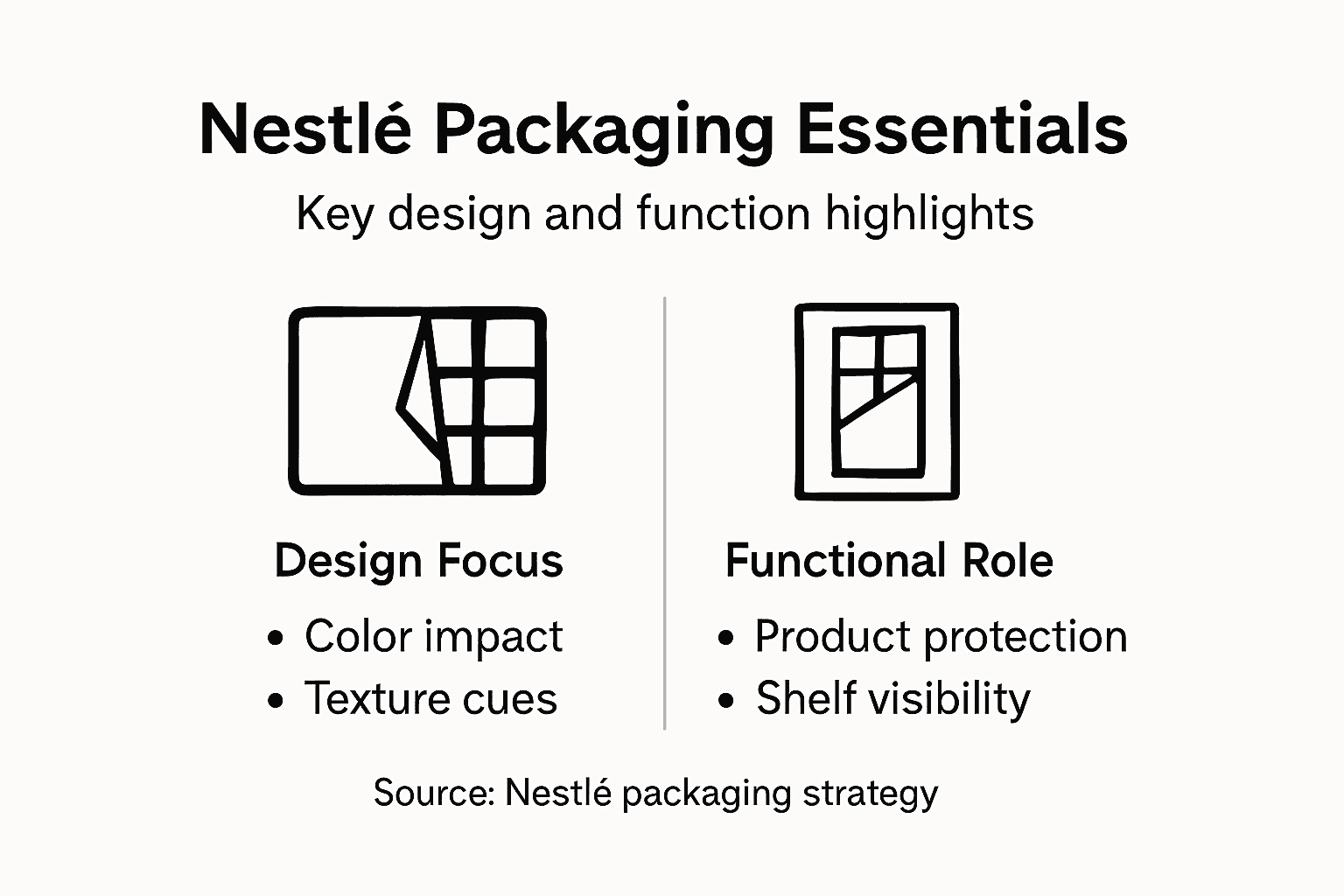
Here’s a quick summary of the main functions of Nestlé chocolate packaging and their business impact:
| Packaging Function | Brand Impact | Consumer Benefit |
|---|---|---|
| Protection & Preservation | Maintains product integrity | Ensures freshness & quality |
| Brand Identity | Enhances brand recognition | Builds trust & loyalty |
| Engagement Mechanism | Increases purchase intent | Creates memorable experience |
| Sustainability Platform | Strengthens brand image | Appeals to eco-conscious shoppers |
| Information Delivery | Boosts transparency | Supports informed choices |
Pro tip: Retailers should view chocolate packaging as a strategic marketing asset, not just a protective cover, by analyzing how design elements communicate brand values and consumer expectations.
Types of Packaging for Nestle Chocolates
Nestle’s chocolate packaging strategy encompasses a sophisticated range of packaging types designed to meet diverse consumer needs and sustainability goals. Packaging strategies demonstrate the company’s commitment to creating functional, environmentally responsible packaging solutions that protect product quality and enhance brand experience.
The primary packaging types for Nestle chocolates include:
- Individual Wrappers: Protecting single chocolate pieces and maintaining freshness
- Retail Boxes: Multipacks designed for convenient consumer purchase
- Transport Packaging: Sturdy outer containers for bulk shipping
- Specialty Gift Packaging: Premium presentation boxes for seasonal or premium collections
- Recyclable Material Packaging: Sustainable options reducing environmental impact
Each packaging type serves a unique purpose in the chocolate product lifecycle. Primary packaging directly interfaces with the chocolate, providing crucial protection from moisture, temperature variations, and potential contamination. These wrappers are engineered to preserve chocolate’s delicate texture and flavor profile while communicating brand identity through visual design.
Secondary and tertiary packaging play equally critical roles in the product journey. Secondary packaging like carton sleeves provides additional protection and enables bulk retail display, while tertiary packaging ensures safe transportation from manufacturing facilities to distribution centers and retail locations. Nestle’s innovative approach focuses on creating packaging that is not just functional, but also environmentally conscious and visually appealing.
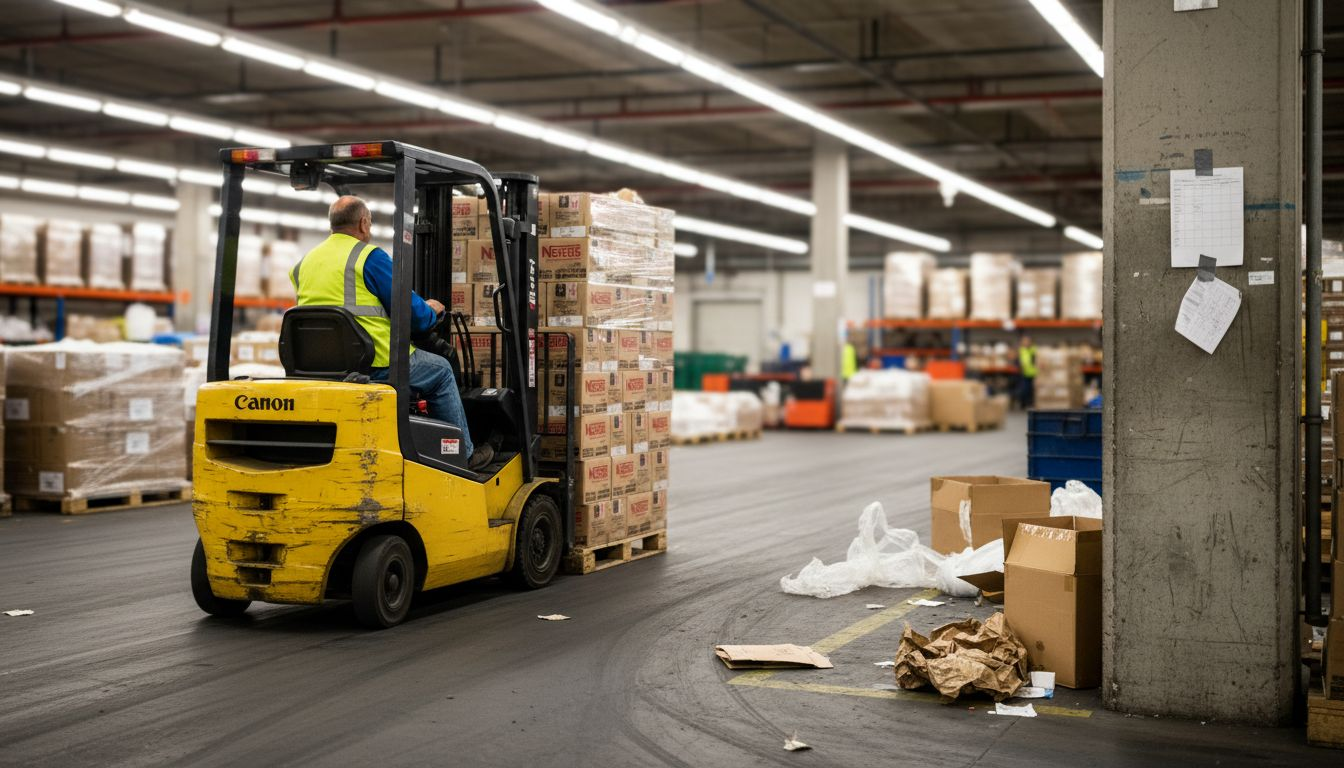
Below is a comparison of Nestlé chocolate packaging types by their application and sustainability relevance:
| Packaging Type | Typical Use | Sustainability Factor |
|---|---|---|
| Individual Wrappers | Protect single chocolates | May use recyclable materials |
| Retail Boxes | Multi-packs for convenience | Often made from recycled paper |
| Transport Packaging | Bulk shipping protection | Designed for reuse/recycling |
| Specialty Gift Packaging | Premium seasonal offerings | Focus on luxury, less on eco |
| Recyclable Material Packaging | General retail and gifting | Reduces environmental impact |
Pro tip: Consider packaging as a strategic asset that communicates brand values, protects product quality, and addresses sustainability concerns.
Design Features That Drive Shopper Appeal
Nestle understands that packaging design is a critical element in attracting and retaining chocolate consumers. Packaging design research reveals that strategic visual elements can significantly influence purchasing decisions and brand perception.
Key design features that drive shopper appeal include:
- Color Psychology: Vibrant and emotionally resonant color schemes
- Texture Indicators: Visual cues that suggest chocolate quality and texture
- Sustainability Signals: Eco-friendly packaging design elements
- Transparent Information: Clear labeling about ingredients and origins
- Premium Aesthetic: Sophisticated visual presentation
Visual Communication plays a pivotal role in transforming packaging from a mere container to a powerful marketing tool. The right combination of design elements can create an emotional connection, signaling product quality and brand values before a consumer even tastes the chocolate. Sophisticated graphics, innovative material choices, and thoughtful layout contribute to a compelling visual narrative.
Consumer perception is deeply influenced by packaging aesthetics. Functional design that balances visual appeal with practical considerations like barrier protection and ease of use can dramatically enhance shopper confidence. Innovative packaging that communicates sustainability, quality, and brand story becomes a silent yet persuasive sales representative on retail shelves.
Pro tip: Invest in packaging design that tells a story, communicates brand values, and creates an instant emotional connection with potential buyers.
Regulatory and Safety Requirements in Packaging
Nestle’s commitment to packaging safety extends far beyond basic compliance, representing a comprehensive approach to consumer protection and environmental responsibility. Packaging strategy guidelines demonstrate the company’s rigorous framework for ensuring every chocolate package meets stringent global regulatory standards.
Key regulatory requirements for Nestle chocolate packaging include:
- Food-Grade Material Certification: Ensuring direct food contact safety
- Chemical Migration Prevention: Blocking harmful substance transfer
- Recyclability Compliance: Meeting environmental protection standards
- Labeling Accuracy: Providing transparent product information
- Contamination Prevention: Maintaining strict hygiene protocols
Safety Protocols are meticulously designed to protect consumer health and maintain product integrity. This involves comprehensive testing of packaging materials to verify they do not interact chemically with chocolate, prevent potential contamination, and preserve the product’s sensory qualities throughout its shelf life. Regulatory compliance isn’t just a legal requirement - it’s a fundamental promise of product quality.
Nestle’s approach to packaging regulation goes beyond mere compliance, transforming safety requirements into a strategic advantage. Proactive Standards mean continuously monitoring emerging global regulations, anticipating changes in food safety protocols, and implementing innovative packaging solutions that exceed current legal thresholds. This forward-thinking methodology ensures that every chocolate package represents the highest standards of consumer protection.
Pro tip: Regularly audit packaging materials against the latest food safety regulations to stay ahead of compliance requirements and maintain consumer trust.
Enhancing Value with Private Label and Co-Packing
Private label and co-packing strategies represent sophisticated opportunities for retailers to leverage Nestlé’s extensive packaging expertise and supply chain capabilities. Strategic packaging collaborations enable businesses to create customized chocolate packaging solutions that maintain high quality standards while optimizing production efficiency.
Key advantages of private label and co-packing partnerships include:
- Customization Flexibility: Tailoring packaging to specific market needs
- Cost Optimization: Reducing production and packaging expenses
- Supply Chain Efficiency: Streamlining manufacturing processes
- Brand Innovation: Creating unique market positioning
- Quality Consistency: Maintaining Nestlé’s rigorous standards
Collaborative Packaging Models transform traditional manufacturing approaches by allowing retailers to benefit from Nestlé’s extensive research and development infrastructure. This approach enables smaller businesses to access premium packaging technologies and design capabilities that would typically be unavailable or cost-prohibitive through independent development.
The strategic implementation of private label and co-packing requires careful consideration of brand alignment, quality control, and market positioning. Packaging Partnership Dynamics involve complex negotiations that balance brand integrity, production capabilities, and market responsiveness. Successful collaborations create mutual value by combining Nestlé’s technical expertise with retailers’ market insights and consumer understanding.
Pro tip: Evaluate potential co-packing partnerships by assessing technological capabilities, quality standards, and alignment with your brand’s long-term strategic objectives.
Elevate Your Retail Appeal with Strategic Packaging Solutions
Nestlé’s approach to chocolate packaging highlights a vital challenge for retailers: packaging is more than protection it is a powerful marketing tool that builds emotional connections and reflects brand values. If you want to captivate consumers through compelling design, sustainable materials, and engaging brand storytelling you need a partner who understands packaging’s full potential. At Space-Man we specialize in freeze dried candy packaging that combines product preservation with premium presentation to elevate shopper experience and boost your brand image.
Discover how our Wholesale Freeze Dried Candy & Treats offerings integrate innovative packaging designs tuned to consumer expectations.
Step beyond conventional packaging and captivate your customers with visually stunning and environmentally responsible solutions. Whether you are interested in private labeling, co-packing, or tailored packaging services Space-Man is ready to help you transform packaging into your strongest retail asset. Visit Space-Man to explore our full range and start enhancing your brand’s shelf impact today. You can also explore unique gift-ready options with The Perfect Gift : Freeze Dried Candy Bundles! – Spaceman or source flexible options from Bulk Unbranded Freeze Dried Candy & Treats – Spaceman to find the best match for your business objectives.
Frequently Asked Questions
What are the main functions of Nestlé chocolate packaging?
Nestlé chocolate packaging serves critical functions such as protecting and preserving the product, communicating brand identity, engaging consumers, supporting sustainability efforts, and delivering essential information about the product.
How does Nestlé incorporate sustainability into its chocolate packaging?
Nestlé uses sustainable packaging technologies, such as recyclable materials and environmentally friendly design, to reduce environmental impact while maintaining product quality and enhancing brand image.
What design features make Nestlé chocolate packaging appealing to consumers?
Key design features that attract consumers include vibrant color schemes, texture indicators that suggest quality, eco-friendly design elements, clear labeling of ingredients, and a premium aesthetic that enhances the overall visual presentation.
What regulatory requirements must Nestlé chocolate packaging meet?
Nestlé chocolate packaging must comply with several key regulatory requirements, including food-grade material certification, chemical migration prevention, recyclability compliance, accurate labeling, and maintaining stringent contamination prevention measures.
Recommended
- Understanding Custom Packaging for Bakeries: What You Need to Know – Spaceman
- 7 Key Packaging Trends for 2025 You Need to Know – Spaceman
- 7 Creative Food Packaging Design Ideas for 2025 – Spaceman
- Mars Chocolate Packaging: Innovations for Candy Shops – Spaceman
- Mushroom Gummies | Google Ads, Meta Ads & Strategy || A&T Agency