

Finding fresh ways to present chocolate can make all the difference for Canadian candy shop owners aiming to stand out online. The growing demand for sustainable solutions means packaging must do more than just protect Mars products. Discover how innovative, eco-friendly packaging options inspired by Mars’ approach can help your shop attract curious customers, meet environmental goals, and showcase your chocolate in a way that sets you apart from the competition.
Table of Contents
- Defining Mars Chocolate Packaging Solutions
- Types And Customization Options For Retailers
- Eco-Friendly Materials And Sustainability Trends
- Legal And Safety Requirements In Canada
- Risks, Costs, And Mistakes To Avoid
- Comparing Co-Packing And Bagging Alternatives
Key Takeaways
| Point | Details |
|---|---|
| Sustainable Packaging Focus | Mars emphasizes sustainable packaging solutions that are reusable, recyclable, or compostable, aiming to minimize environmental impact. |
| Customization for Retailers | Retailers can choose packaging options that balance product protection, brand identity, and sustainability, with various materials and designs available. |
| Adherence to Regulations | Compliance with stringent legal and safety requirements is crucial for retailers, particularly in Canada, to ensure packaging meets health and environmental standards. |
| Strategic Packaging Decisions | Candy shop owners should consider operational risks, costs, and potential mistakes in packaging design to optimize investments and maintain brand integrity. |
Defining Mars chocolate packaging solutions
Mars has reimagined chocolate packaging through a comprehensive lens of sustainability and technological innovation. The company focuses on creating packaging solutions that not only protect their products but also minimize environmental impact. Their approach integrates advanced material science with strategic design principles, ensuring each chocolate package serves multiple objectives beyond simple product containment.
Through advanced simulation technologies, Mars develops packaging that meets rigorous environmental standards while maintaining product integrity. Their strategy encompasses multiple global brands like M&M’s, Snickers, and Skittles, demonstrating a unified approach to packaging design. The key focus remains on creating solutions that are reusable, recyclable, or compostable, directly supporting their commitment to reducing plastic waste and promoting a circular economy.
The packaging innovations extend beyond environmental considerations. Mars carefully balances consumer convenience, product protection, and sustainability goals. Their design process involves extensive virtual testing and material optimization, ensuring each package meets strict quality control standards. Sustainable packaging strategies allow Mars to reduce their carbon footprint while maintaining the high-quality experience consumers expect from their chocolate products.
Pro tip: When selecting packaging for your candy shop, prioritize designs that offer both environmental sustainability and product protection, taking inspiration from Mars’ comprehensive approach.
Types and customization options for retailers
Candy shop owners have multiple packaging customization strategies available through Mars’ innovative approaches. Retailers can select from a range of packaging options that balance product protection, brand identity, and sustainability goals. The primary packaging types include traditional plastic wrappers, paper-based solutions, and emerging eco-friendly alternatives that cater to different market preferences and environmental standards.
Paper-based packaging solutions represent a significant advancement for retailers seeking sustainable options. The AmFiber™ Performance Paper packaging, used for Mars, Snickers, and Milky Way bars, offers recyclable materials that maintain product freshness while supporting environmental regulations. These innovative packaging designs provide retailers with versatile options that can be customized to reflect brand aesthetics and consumer expectations.
Customization options extend beyond material selection. Retailers can explore packaging designs that incorporate brand-specific graphics, color schemes, and messaging. Innovative packaging alternatives enable shops to create unique presentations that distinguish their products in a competitive marketplace. Mars’ approach demonstrates that packaging can serve multiple purposes: protecting the product, communicating brand values, and meeting sustainability objectives simultaneously.
Pro tip: Consider selecting packaging that not only protects your chocolate products but also tells a compelling story about your brand’s commitment to quality and environmental responsibility.
Eco-friendly materials and sustainability trends
Sustainability has become a critical focus in chocolate packaging, with Mars leading innovative approaches to reduce environmental impact. Modern packaging strategies now prioritize materials and design techniques that minimize waste while maintaining product quality and consumer appeal. The evolution of eco-friendly packaging represents a significant shift from traditional fossil-fuel-based solutions to more sustainable alternatives.
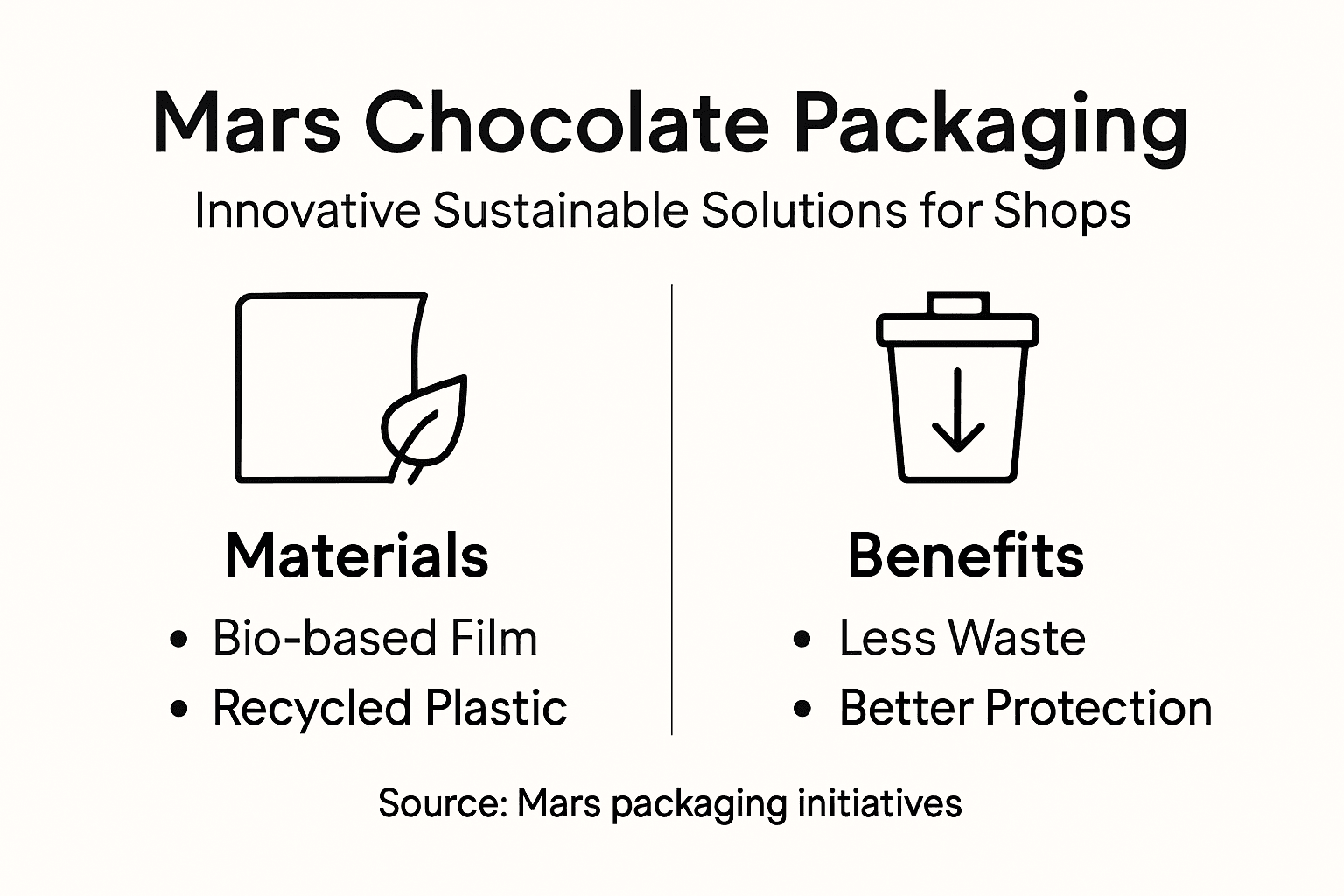
Bio-based packaging innovations are transforming the chocolate packaging landscape. Mars has developed advanced packaging films using sustainable materials like potato starch-derived components and polylactic acid, creating biodegradable and compostable solutions that replace conventional plastics. These materials not only reduce environmental footprint but also maintain manufacturing efficiency, demonstrating that sustainability and performance can coexist effectively.
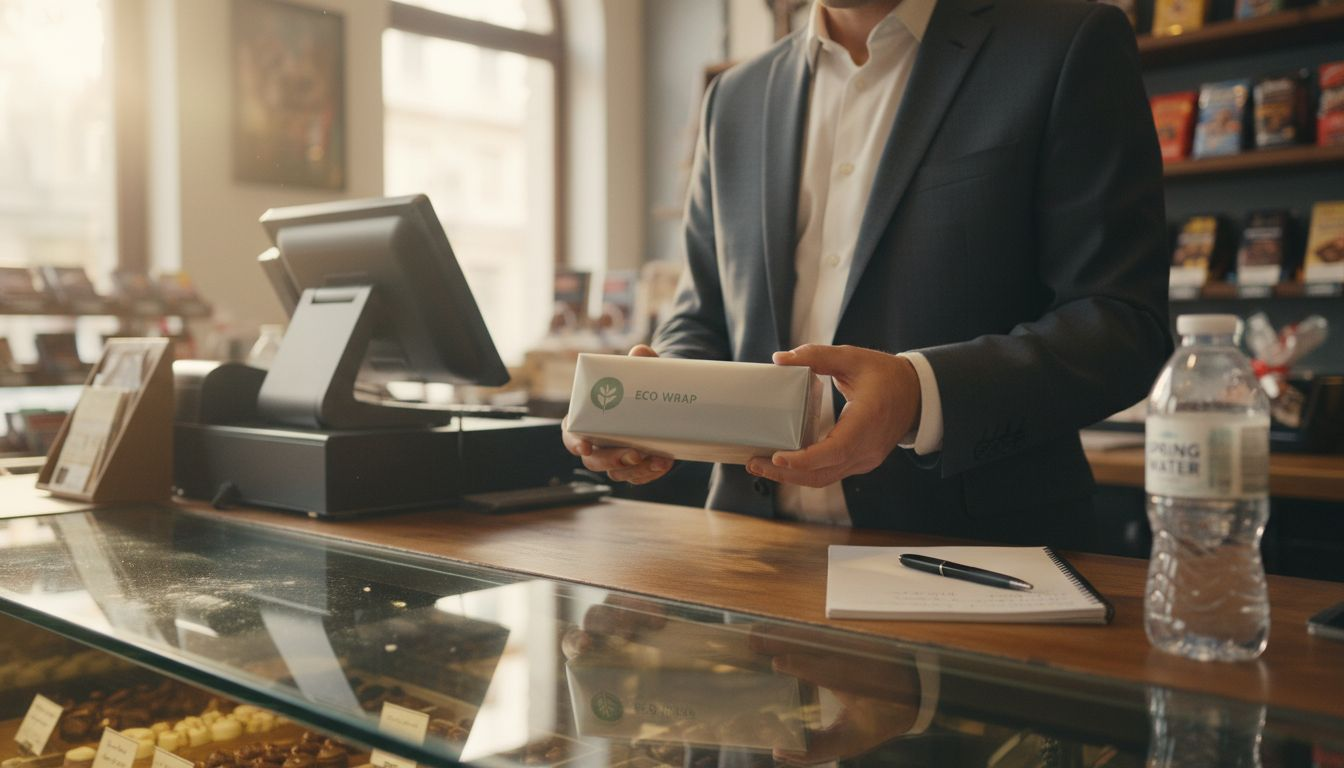
Recycling and circular economy principles are equally crucial in modern packaging strategies. Packaging with recycled content has become a key sustainability trend, with Mars transitioning many product lines to 100% recycled plastic packaging. By eliminating virgin plastic and designing packaging for maximum recyclability, companies are creating closed-loop systems that significantly reduce waste and resource consumption. This approach reflects a broader commitment to environmental responsibility and meets growing consumer demand for sustainable product solutions.
Pro tip: Investigate packaging materials that offer both environmental benefits and functional performance, prioritizing innovations that reduce waste without compromising product quality.
Here is a summary of eco-friendly chocolate packaging materials and their advantages:
| Material Type | Key Advantages | Production Impact |
|---|---|---|
| Paper-based | Easily recyclable; prints well | Low carbon footprint |
| Bio-based films | Biodegradable; compostable | Reduces plastic use |
| Recycled plastics | Supports circular economy | Cuts virgin resource use |
| Potato starch mix | Compostable; food safe | Efficient, sustainable |
Legal and safety requirements in Canada
Canada maintains stringent regulatory standards for food packaging and chocolate products, requiring manufacturers and retailers to adhere to comprehensive safety protocols. The Canadian Food Inspection Agency (CFIA) oversees regulations that govern packaging materials, labeling requirements, and food safety standards. Food packaging regulations ensure that chocolate packaging meets strict health and safety guidelines designed to protect consumer well-being.
Retailers must navigate multiple legal considerations when handling chocolate packaging. Key requirements include ensuring packaging materials are food-grade, free from harmful contaminants, and compliant with federal health standards. Packaging must provide clear nutritional information, ingredient lists, and allergen warnings. Canadian regulations also mandate specific labeling requirements, including bilingual (English and French) product descriptions and nutrition facts panels that meet national standardization guidelines.
Environmental regulations add another layer of complexity to packaging compliance. Canadian provinces increasingly implement sustainability standards that require manufacturers and retailers to consider the environmental impact of packaging materials. This includes guidelines on recyclability, material sourcing, and waste reduction. Retailers must stay informed about evolving regulations that address plastic waste, encourage recycling, and promote sustainable packaging solutions across the food industry.
Pro tip: Consult with a local food safety expert to ensure your chocolate packaging fully complies with current Canadian federal and provincial regulations.
Risks, costs, and mistakes to avoid
Candy shop owners must be strategic about chocolate packaging to minimize financial and operational risks. Understanding potential pitfalls can save significant time and resources in product development and distribution. Packaging decisions impact everything from brand perception to regulatory compliance, making careful planning essential for successful chocolate product presentation.
Packaging innovation risks can substantially increase operational costs when not managed carefully. Common mistakes include inadequate material testing, poor supply chain compatibility, and misalignment with brand identity. Retailers frequently underestimate the complexity of packaging design, which can lead to unexpected expenses. Key risk areas include durability challenges, environmental compliance, and potential consumer rejection of packaging that fails to meet aesthetic or functional expectations.
Financial implications extend beyond initial design and production. Poorly conceived packaging can result in increased waste, higher shipping costs, reduced product shelf life, and potential regulatory fines. Candy shops must consider multiple factors such as material costs, recyclability, structural integrity, and brand messaging. Comprehensive testing and strategic planning are crucial to mitigate risks and optimize packaging investments. Successful packaging solutions balance economic constraints with quality, sustainability, and consumer appeal.
Pro tip: Conduct thorough prototype testing and seek expert consultation before finalizing your chocolate packaging design to minimize potential financial and operational risks.
Comparing co-packing and bagging alternatives
Choosing between co-packing and in-house bagging represents a critical strategic decision for chocolate retailers seeking efficient packaging solutions. Each approach offers distinct advantages and challenges that directly impact product quality, cost management, and operational flexibility. Understanding the nuanced differences helps candy shop owners make informed choices aligned with their business goals and market positioning.
Co-packing benefits provide manufacturers significant strategic advantages. Third-party packaging specialists offer expertise, advanced equipment, and economies of scale that can dramatically reduce upfront capital investments. Companies benefit from specialized knowledge, customization capabilities, and the ability to scale production rapidly without substantial internal infrastructure development. However, this approach requires rigorous quality control and precise brand standard alignment to maintain product consistency.
In-house bagging alternatives present a contrasting model with more direct operational control. While typically less sophisticated and potentially more labor-intensive, internal packaging processes allow for immediate quality oversight, faster prototyping, and reduced logistical complexities. Smaller candy shops might find in-house bagging more cost-effective, offering greater flexibility in small-batch production and immediate responsiveness to market changes. The optimal strategy depends on production volume, budget constraints, technical capabilities, and long-term growth projections.
Pro tip: Conduct a comprehensive cost-benefit analysis comparing co-packing and in-house bagging, considering not just immediate expenses but long-term scalability and quality control requirements.
Below is a feature comparison between co-packing and in-house bagging for chocolate retailers:
| Feature | Co-packing | In-house Bagging |
|---|---|---|
| Setup Cost | Lower upfront investment | May require equipment |
| Quality Control | Relies on partner standards | Direct oversight possible |
| Scalability | Easy to scale quickly | Best for small batches |
| Customization | Extensive options available | More limited but flexible |
Elevate Your Candy Shop with Innovative and Sustainable Packaging Solutions
Navigating the challenges of sustainable and protective chocolate packaging can be complex. This article highlights how Mars’s innovative use of eco-friendly materials and strategic packaging design addresses pain points like environmental impact, regulatory compliance, and consumer appeal. If you want to offer products that stand out with quality packaging while minimizing risks and costs, consider partnering with a trusted manufacturer that understands these needs deeply.
Explore our Wholesale Freeze Dried Candy & Treats to discover how our private labeling, co-packing, and custom packaging services can help your candy shop achieve both sustainability goals and brand excellence. Act now to benefit from packaging expertise inspired by industry leaders and tailored for Canadian market demands. Visit Space-Man today and transform your product presentation with confidence.
Frequently Asked Questions
What are the key attributes of Mars’ chocolate packaging innovations?
Mars’ chocolate packaging innovations focus on sustainability, advanced material science, and product protection. They aim to create solutions that are reusable, recyclable, or compostable while maintaining the quality and integrity of the products.
How do Mars’ eco-friendly packaging materials benefit the environment?
Mars uses innovative packaging materials such as bio-based films and recycled plastics, which help reduce plastic waste and lower environmental impacts. These materials are designed to be biodegradable, compostable, or recyclable, aligning with efforts to promote a circular economy.
What options do retailers have for customizing Mars’ chocolate packaging?
Retailers can choose from various packaging types, including traditional plastic wrappers and eco-friendly alternatives like paper-based solutions. Customization options include brand-specific graphics, color schemes, and messaging to align with their brand identity while meeting sustainability goals.
What are the risks associated with poor packaging decisions for chocolate retailers?
Poor packaging decisions can lead to increased costs, regulatory non-compliance, and negative consumer perceptions. Key risks include inadequate material testing, misalignment with brand identity, and potential environmental compliance issues, which can impact the overall success of the product.
Recommended
- Understanding Sustainable Candy Packaging: Key Concepts – Spaceman
- 7 Essential Types of Food Packaging for Candy Businesses – Spaceman
- 7 Essential Packaging Materials Every Candy Business Needs – Spaceman
- Custom Candy Packaging Wholesale: Boosting Brand Growth – Spaceman
- Casa del Caffe Chocolate – Caffo