

Standing out on crowded shelves is no small feat for Canadian grocery store owners offering freeze dried candy. Custom takeaway packaging does more than keep treats fresh—it has become a powerful tool for expressing brand personality and creating positive customer impressions. By focusing on custom packaging essentials like durability, eco-friendly materials, and vibrant design, businesses can enhance both product presentation and the overall buying experience.
Table of Contents
- Custom Take Away Packaging Essentials
- Types Of Packaging For Freeze Dried Candy
- Key Features For Freshness And Display
- Regulatory, Labeling, And Safety Requirements
- Costs, Risks, And Common Mistakes
- Comparisons With Alternative Packaging Options
Key Takeaways
| Point | Details |
|---|---|
| Custom Packaging is Essential | Effective packaging goes beyond containment; it enhances branding, ensures product safety, and creates memorable customer experiences. |
| Material Selection Matters | Sustainable materials like cardboard and bamboo provide necessary protection while supporting environmental goals. |
| Regulatory Compliance is Critical | Adherence to safety and labeling regulations is essential to building consumer trust and ensuring product integrity. |
| Consider Total Costs | A comprehensive cost analysis should account for long-term sustainability and potential quality risks, rather than just initial expenses. |
Custom take away packaging essentials
Custom takeaway packaging represents a critical intersection of functionality, branding, and customer experience for candy businesses. Designing the right packaging goes far beyond simply containing a product - it communicates your brand’s personality, ensures product safety, and creates memorable interactions with consumers.
When considering custom packaging essentials, several key factors emerge as fundamental to success. Packaging materials and design capabilities play a pivotal role in creating an appealing product presentation. The most effective packaging solutions combine multiple strategic elements:
- Durability to protect delicate candy products
- Lightweight materials for convenient transport
- Visual appeal that reflects brand identity
- Eco-friendly options supporting sustainability goals
- Customizable printing for enhanced brand recognition
Material selection represents the foundation of exceptional takeaway packaging. Sustainable options like cardboard, sugarcane, and bamboo have emerged as industry standards, offering both environmental responsibility and practical functionality. These materials provide robust protection while signaling a commitment to responsible business practices.
Here’s a concise comparison of popular sustainable packaging materials for candy:
| Material | Protective Qualities | Sustainability Benefits | Common Drawbacks |
|---|---|---|---|
| Cardboard | Rigid, moderate barrier | Fully recyclable, renewable | Limited moisture barrier |
| Sugarcane | Good structural support | Compostable, low carbon | Can be moisture sensitive |
| Bamboo | Strong, lightweight | Rapidly renewable, composts | Higher material cost |
| PLA Bioplastic | Good moisture resistance | Plant-based, industrially compostable | Not home-compostable |
Branding opportunities within packaging design cannot be overlooked. Custom printing allows businesses to transform simple containers into powerful marketing tools. By integrating logos, color schemes, and unique design elements, companies can create packaging that tells a story and builds stronger connections with customers.
Pro tip: Consider investing in versatile packaging designs that can be easily customized for different product lines and seasonal variations.
Types of packaging for freeze dried candy
Freeze-dried candy packaging requires specialized design solutions that protect product quality, enhance visual appeal, and meet consumer expectations. Packaging types play a critical role in preserving the unique texture and flavor profile of these delicate treats, while also creating an attractive presentation that catches the eye.
Resealable Mylar stand-up pouches represent a premier packaging solution for freeze-dried candy. These advanced containers offer multiple strategic advantages:
- Exceptional moisture and oxygen barrier protection
- Extended product shelf life
- Convenient resealable functionality
- Transparent design showcasing candy appearance
- Lightweight and compact transportation
Custom packaging solutions extend beyond basic pouches. Rigid custom boxes provide additional product protection during shipping and create opportunities for enhanced brand storytelling. Material laminations like PET/VMPET/PE deliver superior barrier properties, allowing manufacturers to choose between matte or gloss finishes that complement their brand aesthetic.
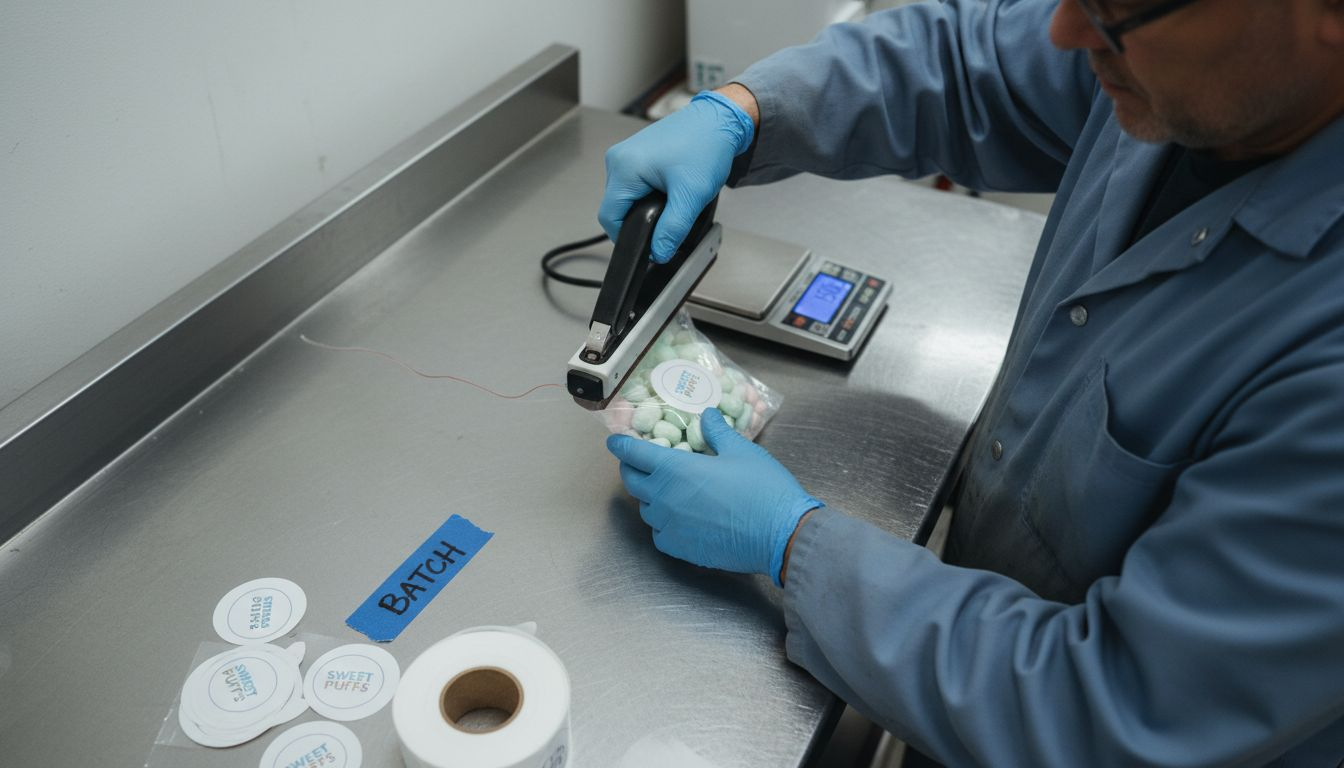
Designing packaging for freeze-dried candy involves careful consideration of multiple factors. Manufacturers must balance practical requirements like product preservation with marketing objectives such as brand recognition. Innovative features like hang holes, custom printing, and strategic notches can transform simple packaging into a powerful consumer engagement tool.
Compare key freeze-dried candy packaging formats by core business considerations:
| Packaging Type | Shelf Life Protection | Branding Opportunity | Shipping Efficiency |
|---|---|---|---|
| Mylar Pouch | Excellent barrier | High print customization | Very lightweight |
| Rigid Paper Box | Good, but less airtight | Large surface for graphics | Bulky, higher cost |
| Laminated Film Bag | Superior multi-layer | Moderate customization | Flexible, space-saving |
Pro tip: Invest in packaging materials that not only protect your freeze-dried candy but also tell your brand’s unique story through design and functionality.
Key features for freshness and display
Maintaining product freshness and creating an appealing visual presentation are crucial elements in custom takeaway packaging for candies. The right packaging does more than contain a product - it preserves quality, communicates brand identity, and entices potential customers through strategic design choices.
Packaging features that control temperature and moisture play a critical role in preserving candy quality. Key elements include:
- Insulated materials that regulate internal temperature
- Leak-proof lid designs preventing contamination
- Compartmentalization to maintain distinct flavor profiles
- Moisture-resistant barriers protecting product integrity
- Stackable configurations for efficient transportation
Visual appeal represents another fundamental aspect of effective packaging design. Packaging aesthetics extend beyond mere appearance, serving as a silent marketing tool that communicates brand personality. Vibrant colors, strategic graphic placement, and thoughtful design elements can transform simple containers into powerful brand ambassadors.
Functionality and visual presentation must work in harmony. Advanced packaging solutions incorporate eco-friendly materials, innovative closure mechanisms, and user-friendly designs that enhance both protection and consumer experience. By balancing technical performance with aesthetic appeal, manufacturers can create packaging that stands out in a competitive marketplace.
Pro tip: Select packaging materials that offer both superior product protection and visually compelling design elements to maximize consumer engagement.
Regulatory, labeling, and safety requirements
Navigating the complex landscape of packaging regulations requires a comprehensive understanding of safety, labeling, and environmental compliance standards. Packaging regulations are designed to protect consumer health, ensure product integrity, and minimize environmental impact through strategic guidelines and mandatory requirements.
Classification and labeling regulations for packaging materials encompass critical safety protocols. Key compliance elements include:
- Clear hazard communication through standardized pictograms
- Comprehensive emergency response information
- Detailed substance classification protocols
- Mandatory safety testing requirements
- Transparent ingredient disclosure standards
Environmental sustainability has become a paramount concern in packaging design. Regulatory frameworks now mandate specific requirements for reducing plastic waste, increasing recycled content, and promoting circular economy principles. Manufacturers must adapt their packaging strategies to align with evolving environmental regulations that prioritize waste reduction and resource efficiency.
Labeling requirements serve as a critical communication tool between manufacturers and consumers. Effective labeling must provide comprehensive product information, including nutritional details, allergen warnings, and handling instructions. By integrating clear, concise, and legally compliant labeling, businesses can build trust and ensure consumer safety while meeting stringent regulatory standards.
Pro tip: Consult with a packaging regulatory specialist to ensure your custom packaging meets all current Canadian safety and environmental compliance standards.
Costs, risks, and common mistakes
Custom takeaway packaging demands a strategic approach that balances financial considerations, potential risks, and operational challenges. Understanding the nuanced landscape of packaging investment is crucial for businesses seeking to optimize their product presentation and minimize potential pitfalls.
Hidden risks in takeaway packaging can significantly impact product quality and brand reputation. Key risks and potential mistakes include:
- Selecting low-quality materials that leach harmful chemicals
- Compromising heat resistance and structural integrity
- Ignoring potential contamination risks
- Underestimating long-term environmental impact
- Prioritizing short-term cost savings over quality
Cost analysis requires a comprehensive view beyond initial purchase price. Reusable packaging systems involve upfront investments but can generate long-term savings, while single-use options often incur hidden disposal and environmental costs. Businesses must evaluate total lifecycle expenses, including manufacturing, transportation, potential waste management, and brand perception.
Operational risks extend beyond material selection. Manufacturers must navigate complex regulatory landscapes, consumer expectations, and sustainability trends. Failing to adapt to evolving packaging standards can result in significant financial and reputational damage. Proactive research, continuous quality assessment, and a commitment to innovation are essential strategies for mitigating these potential challenges.
Pro tip: Conduct a comprehensive risk assessment and lifecycle cost analysis before finalizing your packaging strategy to uncover potential hidden expenses and quality concerns.
Comparisons with alternative packaging options
Choosing the right packaging involves carefully weighing multiple materials and their respective performance characteristics. Packaging selection requires a nuanced understanding of how different materials perform across critical dimensions of functionality, environmental impact, and cost-effectiveness.
Life cycle assessments of packaging materials reveal complex trade-offs between various packaging alternatives. Key comparison points include:
- Production environmental impact
- Transportation efficiency
- Moisture barrier capabilities
- Recyclability potential
- End-of-life waste management requirements
Material performance varies significantly across different packaging types. Traditional plastics offer lightweight and moisture-resistant properties, while alternative materials like bioplastics, recyclable paper, and compostable solutions present compelling environmental advantages. The optimal choice depends on specific product requirements, local waste infrastructure, and sustainability goals.
Innovative packaging solutions are continuously emerging, challenging traditional material assumptions. Metals, glass, paper, and advanced biodegradable composites each bring unique strengths and limitations. Manufacturers must consider not just immediate functional requirements, but also long-term environmental implications and potential regulatory shifts that might impact packaging strategies.
Pro tip: Conduct a comprehensive material assessment that evaluates not just upfront costs, but total lifecycle environmental and economic impacts.
Elevate Your Candy Brand With Custom Packaging Solutions
The challenge of creating custom take away packaging that preserves candy freshness while boosting brand appeal is one we deeply understand. From ensuring moisture-resistant barriers to optimizing visual appeal and sustainability, every detail matters for your freeze dried candy products. Whether you seek packaging that protects delicate textures or designs that tell your unique story, effective packaging is the key to turning first-time buyers into devoted customers.
Discover how our expertise at Spaceman can help you overcome these challenges. We offer tailored private labeling, co-packing, and packaging services combined with premium freeze dried candy options. Explore our selection of Bulk Unbranded Freeze Dried Candy & Treats to find the perfect base product for your branded packaging needs. If you are looking for an impactful gift-ready option with eye-catching presentation, check out The Perfect Gift : Freeze Dried Candy Bundles! – Spaceman.
Enhance your candy business today by partnering with Spaceman to create packaging that protects product integrity and captivates consumers. Visit us now at https://space-man.ca to get started on packaging solutions that truly elevate your brand and delight your customers.
Frequently Asked Questions
What are the key features to consider in custom takeaway packaging for candies?
To create effective custom takeaway packaging for candies, focus on durability, lightweight materials, visual appeal, eco-friendliness, and customizable printing options. These features ensure product safety, enhance brand recognition, and contribute to a positive customer experience.
What materials are best for sustainable candy packaging?
Sustainable candy packaging materials include cardboard, sugarcane, and bamboo. These options are not only environmentally responsible but also provide necessary protection for the product while aligning with eco-conscious consumer preferences.
How do packaging designs impact candy freshness?
Packaging designs play a crucial role in maintaining candy freshness through features like insulated materials, leak-proof lids, and moisture-resistant barriers. These elements protect the product from environmental factors and extend shelf life.
What are the common mistakes to avoid when selecting custom packaging for candies?
Common mistakes include choosing low-quality materials that can harm the product, compromising on heat resistance, ignoring contamination risks, and focusing solely on short-term cost savings rather than the product’s long-term quality and sustainability.
Recommended
- Understanding Custom Packaging for Bakeries: What You Need to Know – Spaceman
- 7 Essential Packaging Materials Every Candy Business Needs – Spaceman
- Understanding Sustainable Candy Packaging: Key Concepts – Spaceman
- 7 Essential Types of Food Packaging for Candy Businesses – Spaceman
- Kawy Snickers - Magnificent Coffee ☕