

TL;DR:
- Freeze-dried sweets offer a crunchy, intensely flavored experience that differs significantly from traditional candy by concentrating flavors and creating a porous, crispy texture. The process expands high-moisture candies like gummies and fruit chews into puffy, flavor-packed snacks, while low-moisture candies change less dramatically. To enjoy freeze-dried candies fully, start with moisture-rich varieties, store them airtight, and allow them to dissolve on the tongue for optimal flavor release.
Freeze-dried sweets deliver a fundamentally different sensory experience than their original form, defined by intensified flavor and a light, crunchy texture that replaces the familiar chew. The taste of freeze dried sweets surprises most first-timers because the process does not simply dry candy. It concentrates every flavor compound, sharpens sweetness and tartness, and transforms the structure into something closer to a crispy snack than a traditional treat. Claudia Goldfarb, CEO of Sow Good, describes it perfectly: removing water from candy is like concentrating lemonade by boiling it down. What remains is a stronger, more immediate punch of sweet and tart.
How does the freeze-drying process change flavor and texture?
The science behind freeze-dried candy is more dramatic than most people realize. When candy enters a freeze-drying chamber, moisture is removed under vacuum at very low temperatures. This pulls water out of the candy’s structure without melting it, leaving behind a porous, expanded shell packed with concentrated flavor compounds and sugar.
University of Wisconsin food engineering professor Rich Hartel points out that for many candies, the process is more accurately vacuum-puffing than true freeze drying. The candy expands as internal moisture escapes, creating a structure that is light, brittle, and full of tiny air pockets. The result feels similar to biting into a chocolate malted ball: crispy on the outside, airy inside, with an immediate flavor release.
Traditional drying methods use heat, which can degrade flavor compounds and alter color. Freeze drying preserves those compounds intact while removing the water that dilutes them. That is why the flavor becomes richer and more pronounced rather than flat or cooked-tasting.
Pro Tip: Candies with higher internal moisture content, such as gummies and fruit chews, respond most dramatically to freeze drying. If you want the biggest texture and flavor transformation, start with moisture-rich varieties rather than hard crystalline candies.
The texture shift is just as significant as the flavor change. Original chewy candy releases flavor slowly as you work through it. Freeze-dried versions dissolve almost instantly on the tongue, delivering the full flavor payload in seconds. That immediacy is part of what makes the experience feel so different and, for most people, surprisingly addictive.
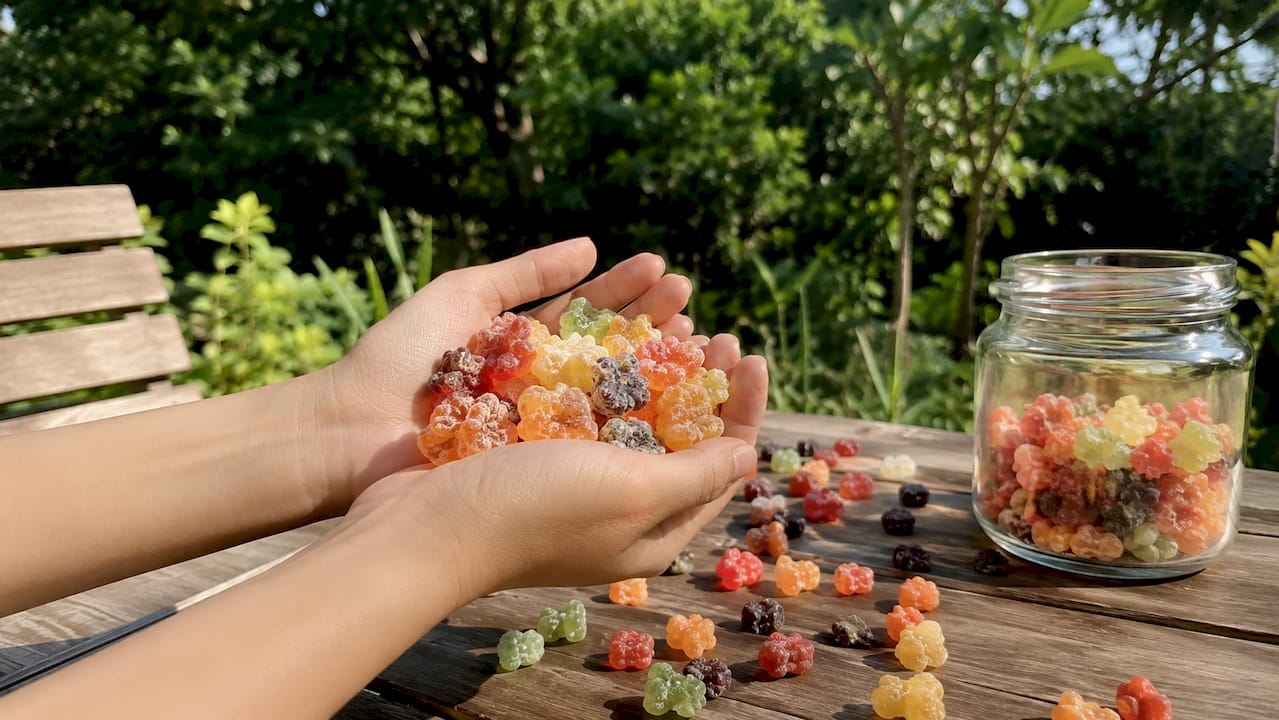
Which candies produce the most dramatic taste transformation?
Not every candy freeze-dries with the same dramatic results. The outcome depends almost entirely on how much internal moisture the candy contains before processing. Understanding this helps you pick the best freeze-dried desserts for novelty and flavor impact.
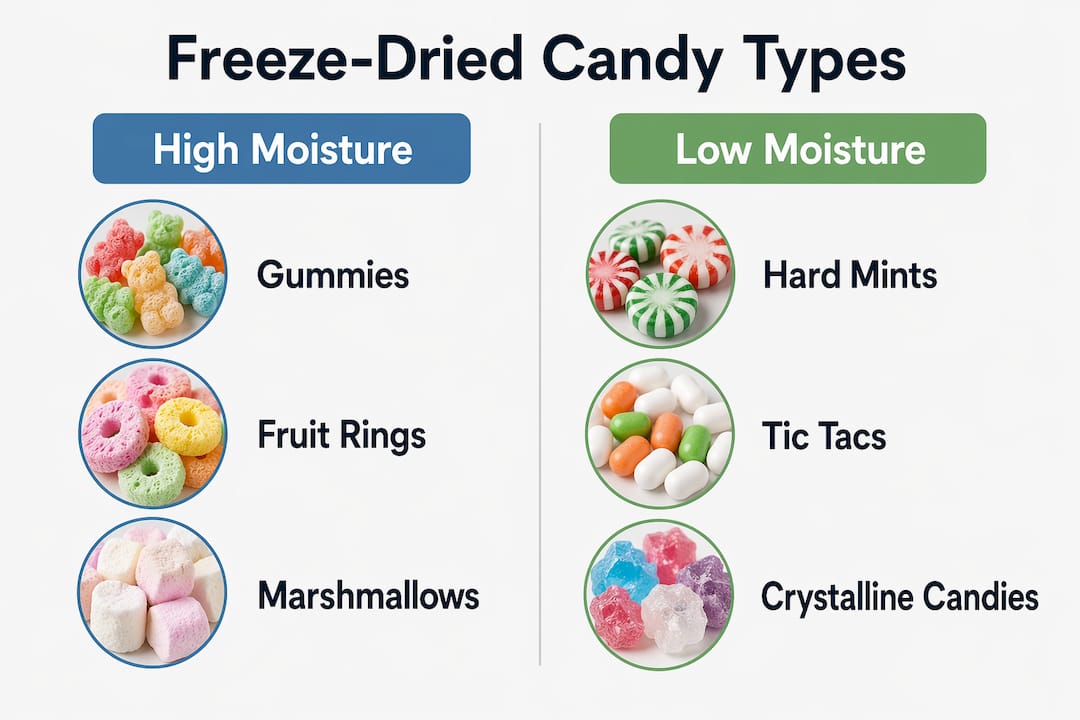
Gummies, fruit rings, and marshmallow-based candies are the top performers. They contain significant internal moisture, which means the vacuum-puffing process has plenty to work with. These candies puff and crisp dramatically, expanding to several times their original size while their fruit or sugar flavors intensify sharply. A freeze-dried gummy bear, for example, becomes a puffy, crunchy cube with a flavor that hits harder and faster than the original.
Low-moisture crystalline candies like Tic Tacs or hard mints have less internal water to remove, so the structural change is less dramatic. They may become slightly more brittle or porous, but the puffing effect is minimal and the flavor shift is subtle by comparison.
Here is a quick breakdown of how common candy types respond:
| Candy type | Freeze-drying effect |
|---|---|
| Gummy bears and worms | Puffs significantly, intense fruity flavor burst |
| Fruit chews and rings | Expands and crisps, sharper sweet-tart profile |
| Marshmallows | Becomes ultra-light and crunchy, mild sweetness amplified |
| Chocolate-coated candy | Outer shell crisps, inner filling concentrates |
| Hard crystalline candy | Minimal structural change, subtle flavor shift |
| Sour belts and strips | Strong tartness intensifies, crispy and dissolves fast |
Sweet freeze dried fruit follows the same logic. Strawberries, mango slices, and raspberries that start with high water content become intensely flavored, crunchy chips that taste more like the fruit than the fresh version. The concentration effect is that powerful.
How does freeze dried candy compare to regular candy in flavor and mouthfeel?
This is where the freeze dried candy flavor profile really separates itself from anything you have tasted before. The differences are not subtle. They are immediate and unmistakable from the first bite.
Here is what changes when you go from regular to freeze-dried:
- Texture: Regular candy is chewy, glassy, or soft. Freeze-dried versions are light and brittle, resembling crisps or crackers more than traditional sweets.
- Flavor intensity: The flavor of freeze dried treats is sharper, brighter, and more concentrated. Sour candies become more aggressively tart. Sweet candies taste sweeter and more defined.
- Flavor release speed: Original candy releases flavor gradually as you chew. Freeze-dried candy dissolves quickly on the tongue, delivering an immediate burst rather than a slow build.
- Aroma: Because flavor compounds are concentrated, the smell of freeze-dried candy is often stronger than the original. Aroma is a major driver of taste perception, so this amplifies the overall experience.
- Weight: Freeze-dried candy feels almost weightless in your hand. That lightness is a sensory cue that primes your brain for something different before you even take a bite.
- Aftertaste: The aftertaste tends to be cleaner and shorter than regular candy, since there is no sugar syrup or gelatin coating lingering in your mouth.
A common disappointment for first-timers is expecting freeze-dried candy to taste like the original, just dehydrated. The reality is a fundamentally changed experience in both texture and flavor delivery. Going in with that expectation reset makes the experience far more enjoyable. Think of it as a new snack category that happens to share a name with the original candy, not a dried-out version of it.
What practical tips help you enjoy freeze-dried sweets more?
Getting the most out of freeze-dried candy comes down to three things: selection, storage, and approach. None of these require expertise, but each one makes a real difference in what ends up in your mouth.
- Start with moisture-rich candies. Gummies and fruit chews give you the most dramatic puffing and the sharpest flavor intensification. They are the best entry point for anyone new to the freeze dried candy flavor profile.
- Buy mixed variety packs. Mixed selections let you compare textures and flavor profiles across multiple candy types in one sitting. This is the fastest way to understand what freeze drying does differently to each variety.
- Store in airtight containers immediately after opening. The porous structure of freeze-dried candy absorbs moisture from the air quickly. Improper packaging causes the candy to reabsorb humidity, dulling the flavor and softening the crunch within hours.
- Eat fresh. Older or poorly stored freeze-dried candy can taste muted or slightly sour due to moisture reabsorption. Freshness directly determines how intense and clean the flavor will be.
- Let it dissolve, do not chew. Placing a piece on your tongue and letting it dissolve gives you the full flavor burst experience. Chewing through it quickly skips the best part of how freeze-dried candy delivers its taste.
Pro Tip: Try a freeze-dried sour gummy on an empty palate, no coffee or strong food beforehand. The tartness and sweetness hit with full force when your taste buds are not competing with other flavors.
For anyone exploring the freeze-drying process in more depth, understanding how moisture removal works at each stage helps explain why freshness and storage matter so much to the final taste.
Key takeaways
The taste of freeze-dried sweets is defined by concentrated flavor, immediate delivery, and a crunchy texture that replaces chewiness entirely, making it a genuinely new snack experience rather than a variation on the original.
| Point | Details |
|---|---|
| Flavor is intensified, not just preserved | Moisture removal concentrates sugar and flavor compounds, making sweets taste sharper and stronger. |
| Texture becomes crispy and porous | Candy expands under vacuum, creating a light, brittle structure similar to a chocolate malted ball. |
| Candy type determines the result | High-moisture gummies and fruit chews transform most dramatically; crystalline candies change less. |
| Storage protects the experience | Airtight containers prevent moisture reabsorption that dulls flavor and softens crunch. |
| First-timers should reset expectations | Freeze-dried candy is a new sensory category, not a dehydrated version of the original. |
Why freeze-dried candy surprised me more than I expected
By Chadi
I will be honest: the first time I tried a freeze-dried gummy worm, I thought the hype was overblown. I expected something like a dried-out version of a candy I already knew. What I got instead was a puffed, crunchy thing that dissolved on my tongue and hit me with a fruit flavor three times sharper than the original. It genuinely caught me off guard.
What I find most interesting after working with freeze-dried candy through Space-man is how the process exposes the actual flavor of the candy. Regular gummies are mostly texture and sugar delivery. Freeze-dried versions strip away the chew and force the fruit flavor to carry the whole experience. Some candies hold up brilliantly. Others reveal that the original was mostly just sweet without much character underneath.
My honest recommendation for first-timers: do not start with hard candies or anything low-moisture. Start with sour gummies or fruit rings. The transformation is dramatic enough that it genuinely feels like a different product. That is the moment when freeze-dried candy stops being a novelty and starts being something you actually crave.
The sensory comparison between freeze-dried and regular candy is something you have to experience directly. Reading about it only gets you so far.
— Chadi
Try Space-man freeze dried candy for yourself
Space-man is a Canadian freeze-dried candy manufacturer offering a full range of products for personal enjoyment, retail, and wholesale. If you want to experience the flavor profiles described in this article firsthand, the best starting point is a variety pack that covers multiple candy types in one order.

The Space-man Starter Pack includes 40 bags of freeze-dried candy across different varieties, making it ideal for sampling the full range of textures and flavor intensities. For a smaller introduction, the 10-pack bundle comes with two bonus bags and free shipping. Businesses looking to carry freeze-dried candy under their own brand can also explore Space-man’s co-packing and private label services for a turnkey solution.
FAQ
How do freeze dried sweets taste compared to regular candy?
Freeze-dried sweets taste sharper, sweeter, and more intense than their original forms. The flavor delivers immediately on the tongue rather than building slowly through chewing.
Why does freeze drying make candy crunchier?
The vacuum-puffing process removes internal moisture and expands the candy’s structure into a porous, brittle form. This is why texture resembles a crispy snack rather than the original chewy candy.
Which freeze dried candies have the best flavor?
Gummies, fruit chews, and sour belts produce the most intense flavor and dramatic texture change. These high-moisture candies puff significantly and deliver the strongest taste burst.
Does freeze dried candy go stale quickly?
Yes. The porous structure absorbs moisture from the air rapidly, which dulls flavor and softens the crunch. Storing freeze-dried candy in an airtight container immediately after opening preserves both taste and texture.
Is the flavor of freeze dried treats different from dehydrated candy?
Freeze drying and dehydration produce different results. Dehydration uses heat and often degrades flavor. Freeze drying preserves flavor compounds intact while concentrating them, which is why the taste is more vivid and immediate.