

Choosing the right packaging for your ice cream shop feels like a bigger responsibility every year as more Canadian consumers prioritize environmental values. Making the switch to eco-friendly packaging is not just about following trends but about balancing preservation of the environment, business costs, and consumer expectations in Canada. Discover how sustainable ice cream packaging solutions can help your business reduce waste, maintain product quality, and build trust with customers who care about the planet.
Table of Contents
- Defining Sustainable Ice Cream Packaging
- Types of Eco-Friendly Packaging Materials
- How Sustainable Packaging Works In Practice
- Certifications And Legal Considerations In Canada
- Cost Analysis And Financial Impacts
Key Takeaways
| Point | Details |
|---|---|
| Sustainable Packaging Principles | Focus on minimizing environmental waste and supporting circular economy principles throughout the product lifecycle. |
| Material Innovation | Utilize biodegradable plastics, plant-based composites, and recyclable paperboard to balance sustainability with product protection. |
| Lifecycle Assessment | Conduct comprehensive assessments of packaging materials to identify sustainability improvements and reduce environmental impact. |
| Financial Considerations | Weigh upfront costs against long-term benefits like reduced waste management expenses and enhanced brand reputation. |
Defining Sustainable Ice Cream Packaging
Sustainable ice cream packaging represents a strategic approach that goes far beyond traditional packaging methods. Sustainable packaging solutions aim to balance environmental preservation, economic feasibility, and social responsibility throughout the entire product lifecycle.
At its core, sustainable packaging for ice cream focuses on several critical components:
- Minimizing environmental waste
- Reducing carbon footprint
- Maintaining product safety and quality
- Utilizing renewable or recyclable materials
- Supporting circular economy principles
The holistic approach to sustainable packaging considers multiple dimensions beyond simply selecting an eco-friendly material. Brands must evaluate the entire production process, from raw material sourcing to end-of-life disposal. Consumer engagement drives sustainable packaging trends, pushing manufacturers to develop innovative solutions that meet environmental standards while maintaining product integrity.
Modern sustainable ice cream packaging strategies typically incorporate advanced materials like biodegradable polymers, plant-based composites, and compostable containers. These materials must simultaneously protect the product, extend shelf life, and minimize ecological impact.
Pro tip: Conduct a comprehensive lifecycle assessment of your packaging materials to identify potential sustainability improvements and reduce overall environmental footprint.
Types of Eco-Friendly Packaging Materials
Sustainable ice cream packaging materials have evolved dramatically, offering innovative solutions that balance environmental responsibility with practical product protection. Innovative packaging materials now include a range of advanced eco-friendly options designed to minimize environmental impact while maintaining product quality.
The primary categories of sustainable ice cream packaging materials include:
-
Biodegradable Plastics:
- PLA (Polylactic Acid)
- PHA (Polyhydroxyalkanoates)
- Derived from renewable resources like corn starch and sugarcane
-
Plant-Based Composites:
- Materials made from agricultural by-products
- Reduces reliance on petroleum-based packaging
-
Recyclable Paperboard:
- Sourced from sustainable forestry
- Easily recyclable and compostable
Modern packaging technologies are pushing boundaries with advanced sustainable solutions, including lightweight materials and innovative mono-material designs that simplify recycling processes. These advanced materials must meet critical performance requirements such as moisture resistance, durability, and temperature stability for frozen products.
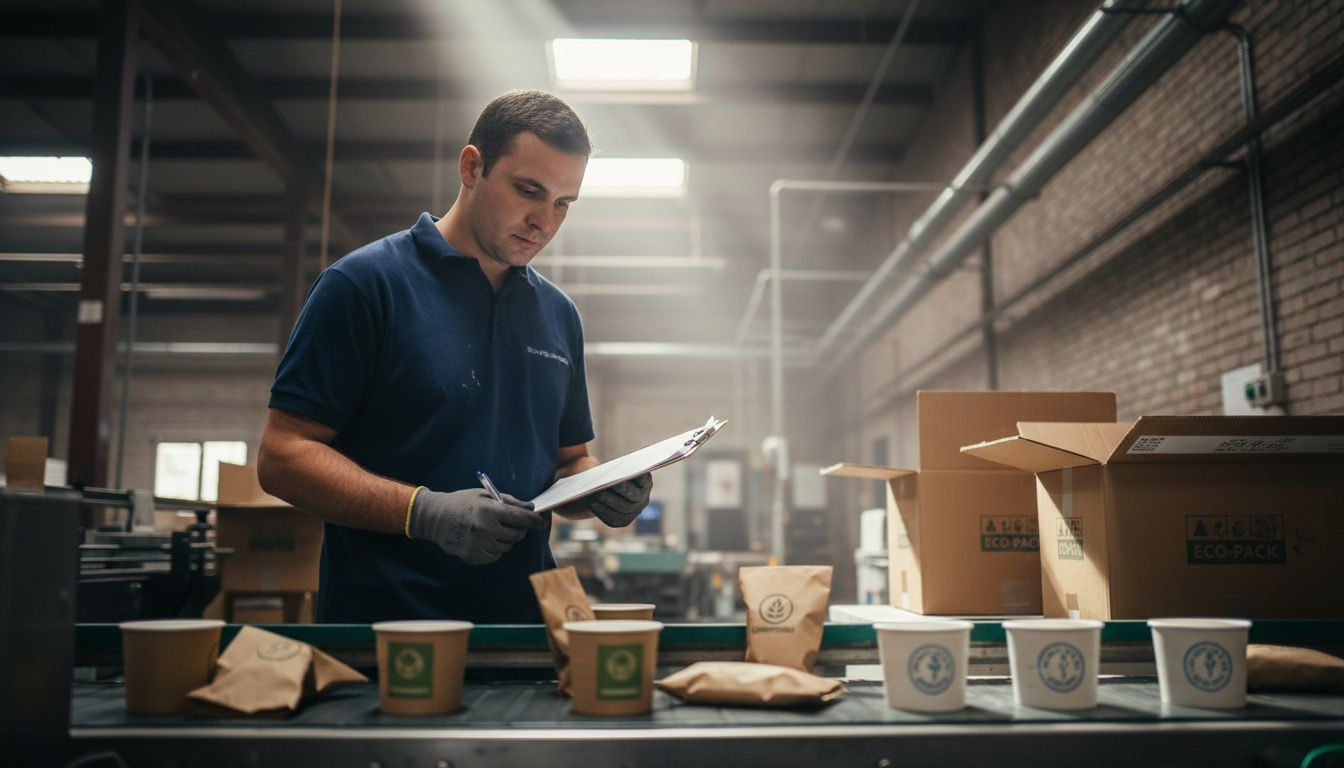
The goal of sustainable packaging extends beyond material selection. Manufacturers must consider the entire lifecycle, from raw material sourcing to end-of-use disposal, ensuring that each packaging solution minimizes environmental footprint while protecting the product’s quality and consumer experience.
Here’s a concise comparison of common sustainable ice cream packaging materials and their performance characteristics:
| Material Type | Sustainability Benefit | Product Protection | Recycling/Disposal Method |
|---|---|---|---|
| Biodegradable Plastics | Reduced landfill waste | Good moisture barrier | Industrial composting facilities |
| Plant-Based Composites | Lower carbon emissions | Moderate durability | Compostable or municipal compost |
| Recyclable Paperboard | Supports closed-loop recycling | Adequate for dry goods | Home or curbside recycling |
| Mono-Material Designs | Simplifies recycling process | Consistent performance | Single-stream recycling systems |
Pro tip: Conduct comprehensive testing of eco-friendly packaging materials to ensure they maintain product integrity and meet your specific ice cream storage and transportation requirements.
How Sustainable Packaging Works in Practice
Sustainable packaging strategies transform traditional ice cream packaging by integrating environmental consciousness with practical manufacturing requirements. This approach involves a comprehensive reimagining of packaging design, material selection, and production processes.
Key practical implementation strategies include:
-
Supply Chain Optimization:
- Reducing transportation weight
- Minimizing packaging material volume
- Selecting locally sourced materials
-
Material Innovation:
- Using renewable resource-based materials
- Developing biodegradable packaging solutions
- Eliminating non-recyclable components
-
Regulatory Compliance:
- Meeting food safety standards
- Adhering to environmental regulations
- Maintaining product quality and integrity
Circular economy principles guide modern sustainable packaging approaches, focusing on creating packaging systems that minimize waste and maximize resource efficiency. Manufacturers must balance technical performance with environmental responsibility, ensuring that packaging protects the product while reducing its ecological footprint.
The implementation process requires a holistic approach, considering every stage from material sourcing to end-of-life disposal. Ice cream producers must collaborate with packaging designers, material scientists, and sustainability experts to develop solutions that meet environmental goals without compromising product quality or consumer experience.
Pro tip: Conduct regular sustainability audits of your packaging process to identify continuous improvement opportunities and track your environmental impact reduction.
Certifications and Legal Considerations in Canada
Sustainable packaging regulations in Canada represent a complex landscape of federal and provincial requirements that ice cream producers must carefully navigate. These regulations aim to balance environmental protection, consumer safety, and industry innovation.
Key legal and certification considerations include:
-
Federal Compliance Requirements:
- Canadian Environmental Protection Act
- Food and Drugs Act packaging standards
- National packaging waste reduction guidelines
-
Provincial Environmental Regulations:
- Recycling and waste management policies
- Material sourcing restrictions
- Local sustainability certification programs
-
Certification Standards:
- ISO environmental management certifications
- Sustainable packaging credentials
- Third-party environmental verification
Packaging waste reduction policies significantly influence Canadian manufacturers’ packaging strategies. These regulations require companies to demonstrate proactive approaches to environmental sustainability, focusing on recyclability, material reduction, and circular economy principles.
The certification process involves comprehensive assessments of packaging materials, manufacturing processes, and waste management strategies. Ice cream producers must maintain detailed documentation demonstrating compliance with environmental standards, showing how their packaging solutions minimize ecological impact while meeting stringent food safety requirements.
Pro tip: Consult with a Canadian packaging compliance expert to ensure your sustainable packaging meets all current federal and provincial regulatory requirements.
Cost Analysis and Financial Impacts
Sustainable packaging investments represent a complex financial strategy that balances short-term expenses with long-term strategic advantages for ice cream businesses. Understanding the nuanced economic landscape is crucial for making informed packaging decisions.
Financial considerations for sustainable packaging include:
-
Upfront Investment Costs:
- Higher material expenses
- Research and development investments
- Equipment modification
-
Long-Term Financial Benefits:
- Reduced waste management expenses
- Enhanced brand reputation
- Potential consumer price premium
-
Cost Mitigation Strategies:
- Government sustainability incentives
- Gradual implementation approaches
- Strategic material selection
Life cycle assessments provide critical insights into the total economic impact of packaging choices. These comprehensive evaluations help businesses understand the full financial implications beyond immediate material costs, considering factors like transportation efficiency, waste reduction, and potential market differentiation.
The financial equation extends beyond direct expenses, encompassing brand perception, consumer loyalty, and competitive positioning. Sustainable packaging can potentially generate additional revenue streams by attracting environmentally conscious consumers willing to support responsible businesses.
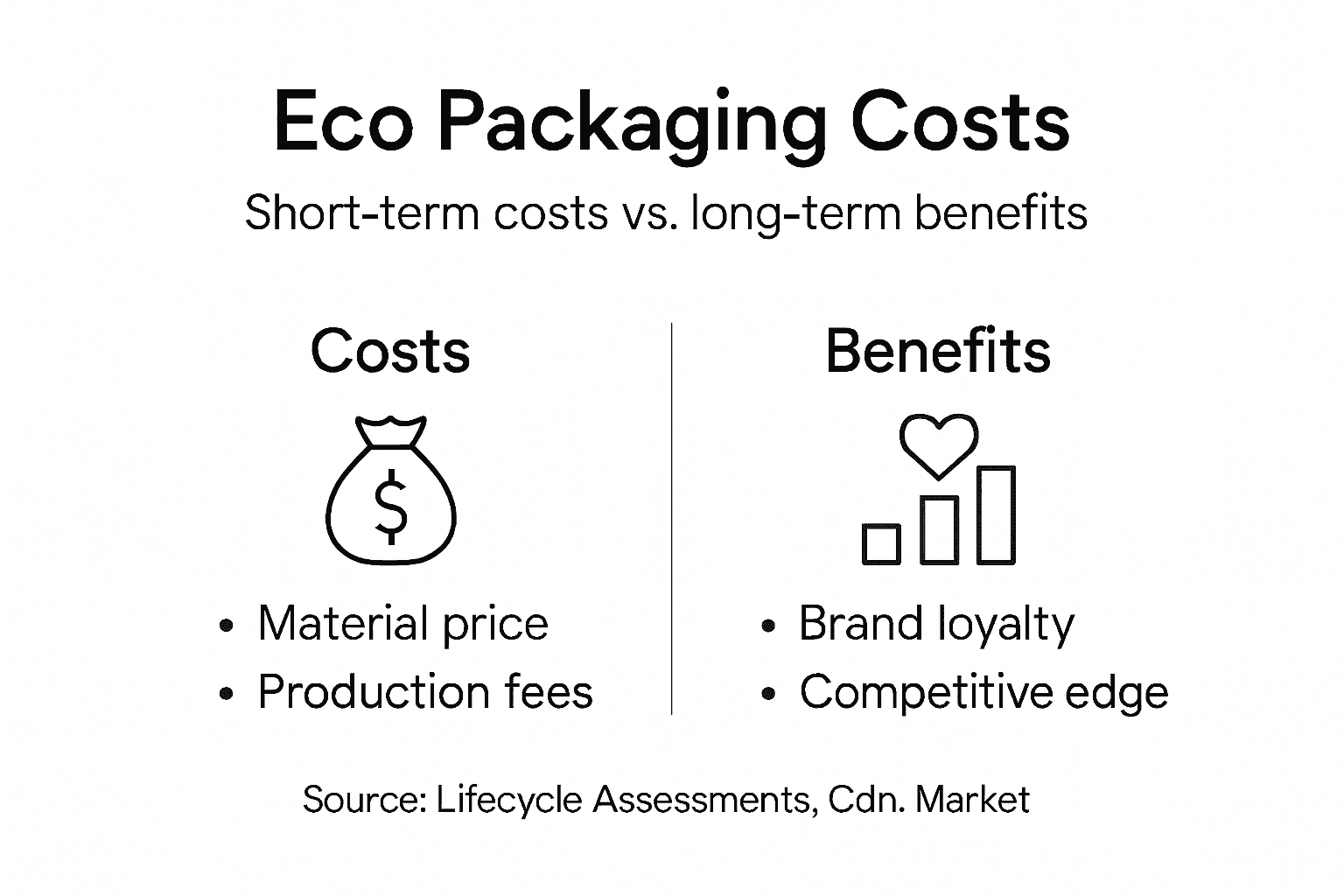
The table below summarizes financial impacts associated with adopting sustainable ice cream packaging:
| Cost Factor | Short-Term Impact | Long-Term Benefit | Business Consideration |
|---|---|---|---|
| Material Expenses | Often higher upfront cost | Potential savings over time | Weigh against brand value gained |
| Equipment Investment | Requires initial upgrade spend | Supports future production needs | May qualify for incentives |
| Waste Management | Slightly increased logistics | Lower overall disposal fees | Reduces regulatory risks |
| Consumer Response | Modest price increase possible | Enhanced loyalty and reputation | Attracts eco-conscious shoppers |
Pro tip: Develop a comprehensive financial model that includes both direct packaging costs and indirect benefits to accurately assess the true economic impact of sustainable packaging strategies.
Elevate Your Ice Cream Brand with Sustainable Packaging and Quality Treats
Sustainable ice cream packaging brings exciting challenges like balancing eco-friendly materials with product protection and consumer appeal. If you are aiming to reduce waste while enhancing your shop’s reputation and customer loyalty, you need partners who understand the art of combining sustainability with exceptional quality. At Spaceman, as a trusted Freeze Dried Candy Manufacturer and Distributor in Canada, we specialize in supporting brands with environmentally conscious packaging solutions and premium treats that align with your green goals.
Explore our variety of Bulk Unbranded Freeze Dried Candy & Treats for your private label or co-packing needs. We offer expert bagging and packaging services tailored to meet your sustainable packaging plans without compromising on safety and shelf life. Visit us today at https://space-man.ca to start creating packaging solutions that not only protect your ice cream but also boost your shop’s environmental appeal and customer trust.
Frequently Asked Questions
What are the main benefits of using sustainable ice cream packaging?
Sustainable ice cream packaging minimizes environmental waste, reduces carbon footprint, and supports a circular economy while ensuring product safety and quality.
What types of eco-friendly materials are commonly used in ice cream packaging?
Common eco-friendly materials include biodegradable plastics like PLA and PHA, plant-based composites, and recyclable paperboard, each offering varying levels of sustainability and product protection.
How can ice cream businesses implement sustainable packaging strategies effectively?
Businesses can implement sustainable packaging by optimizing their supply chain, innovating materials, ensuring regulatory compliance, and considering the entire lifecycle of their packaging solutions.
What financial impacts should ice cream producers consider when switching to sustainable packaging?
Producers should evaluate upfront investment costs, potential long-term savings from reduced waste management, and the enhancement of brand reputation and consumer loyalty as part of their financial analysis.
Recommended
- Understanding Custom Packaging for Bakeries: What You Need to Know – Spaceman
- 7 Creative Food Packaging Design Ideas for 2025 – Spaceman
- Understanding Sustainable Candy Packaging: Key Concepts – Spaceman
- 7 Key Packaging Trends for 2025 You Need to Know – Spaceman
- Most Sustainable Packaging Material: Impact on Eco-Friendly Businesses – The Ocean Straw