

TL;DR:
- Freeze dried acerola powder is a highly concentrated natural vitamin C source used in confectionery, offering a shelf-stable, clean-label ingredient. It retains maximum nutrients and flavor when freeze-dried within days of harvest, with vitamin C levels ranging from 17% to 25%. Suppliers should confirm freeze-drying, organic certification, and origin transparency for quality and regulatory compliance.
Freeze dried acerola powder is one of the most concentrated natural vitamin C sources available to confectionery manufacturers today. Acerola cherries (Malpighia emarginata) are freeze-dried within 3–5 days of harvest before spoilage sets in, locking in nutrients and flavor that other drying methods simply can’t match. The result is a shelf-stable, clean-label powder that delivers real nutritional punch without a single synthetic additive.
Here’s why candy manufacturers are paying attention:
- Natural vitamin C content varies depending on harvest maturity and processing, typically ranging from 17% to 25% by weight in commercial freeze-dried acerola powders.
- Bioflavonoids including quercetin, rutin, and kaempferol that support vitamin C absorption and add antioxidant value
- Minerals such as calcium, potassium, and iron, rounding out the nutritional profile
- Tart, fruity flavor that works naturally in candy formulations without masking agents
- Extended shelf life compared to raw fruit, making it practical for large-scale production
Table of Contents
- What’s actually in freeze dried acerola powder?
- How to use acerola powder in confectionery manufacturing
- How to choose the right supplier for acerola powder
- Key Takeaways
- Space-man makes freeze-dried candy production easier for distributors
What’s actually in freeze dried acerola powder?
The nutritional story starts at the orchard, and harvest timing is everything. Green acerola cherries yield the highest vitamin C concentrations, sometimes double what ripe fruit provides. Ripe fruit, on the other hand, delivers a sweeter, more rounded flavor profile. For manufacturers building a functional confection with a vitamin C claim, green-harvested powder is the obvious choice. For a flavor-forward gummy or coating, ripe-fruit powder may serve better.
Statistic callout: Commercial freeze-dried acerola powders typically contain 17%–25% natural vitamin C by weight, varying with harvest maturity and processing. Raw acerola fruit becomes nearly inedible within 3–5 days of harvest, making rapid freeze-drying the only processing method that preserves this potency at scale.
Beyond vitamin C, the powder contains bioflavonoids that enhance nutrient bioavailability, plus dietary fiber and a modest protein content. Quality benchmarks to look for when sourcing:
- Whole fruit processing (excluding the seed) for consistent nutrient density
- Low-temperature freeze drying to protect heat-sensitive compounds
- No added fillers or ascorbic acid in pure-grade powders
- Certified organic status from a recognized body such as USDA Organic
Freeze drying outperforms spray drying and vacuum belt drying for nutrient retention. Alternative drying methods trade heat-sensitive nutrient preservation for lower cost and better solubility, a tradeoff that matters when you’re making a health claim on the label. If the spec sheet doesn’t confirm freeze drying, assume some vitamin C degradation has occurred. You can read more about how the freeze drying process affects ingredient quality in a dedicated breakdown.
How to use acerola powder in confectionery manufacturing
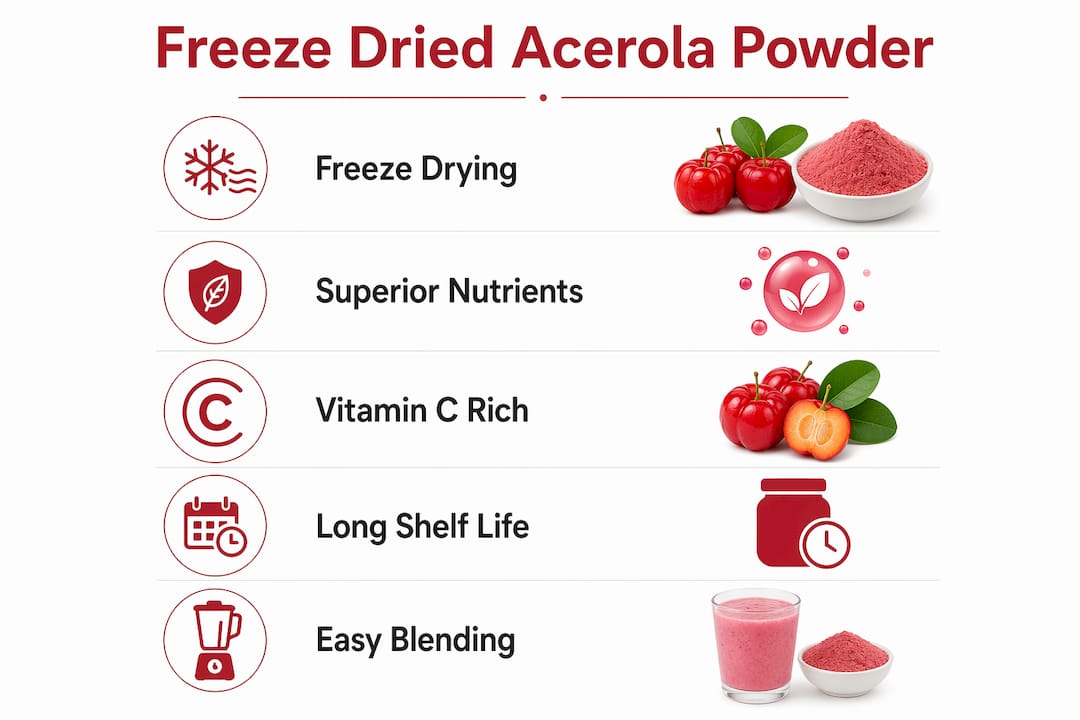
Acerola fruit powder shows up across a wide range of candy formats: gummies, hard candies, sour coatings, chewable tablets, and functional confections. The tart flavor integrates naturally into sour candy profiles, which means you’re often adding nutritional value and flavor simultaneously. That’s a rare win in formulation work.
The main manufacturing challenge is flowability. Pure freeze-dried acerola powder is hygroscopic, meaning it absorbs moisture from the air and clumps. In a high-speed production line, clumping causes dosing inconsistencies and equipment headaches. The fix is straightforward: blending with maltodextrin or another approved carrier improves flow, prevents clumping, and makes the powder far easier to handle at scale.
Key formulation considerations:
- Dosing accuracy matters more with a potent ingredient like this. Even small variations affect your vitamin C label claim.
- pH sensitivity is real. Vitamin C degrades faster in alkaline environments, so keep formulations on the acidic side when possible.
- Heat exposure during cooking or coating should be minimized. Add acerola powder at the lowest feasible temperature in the process.
- Clean-label positioning is a direct benefit. Replacing synthetic ascorbic acid with natural acerola powder lets you list a recognizable fruit ingredient instead of a chemical name.
Pro Tip: In high-speed blending lines, pre-blend acerola powder with your carrier at a 1:1 ratio before introducing it to the main mix. This prevents localized clumping and gives you more consistent vitamin C distribution across the batch.
For inspiration on how freeze-dried fruit powders perform across different candy formats, the freeze-dried blueberry powder comparison is a useful reference point.
How to choose the right supplier for acerola powder
Not all acerola powders are created equal, and the difference between a mediocre and a high-quality ingredient often comes down to three things: processing method, documentation, and origin transparency.
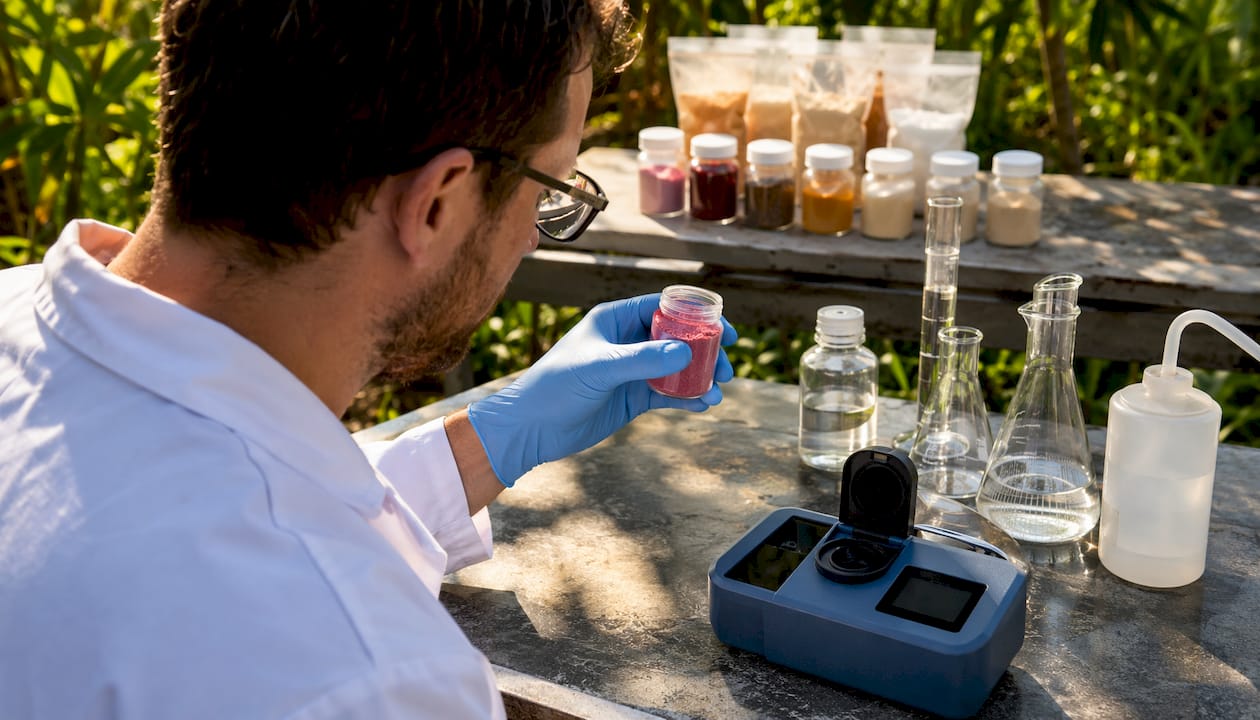
Start by confirming the drying method. A supplier who can’t confirm freeze drying is likely using spray drying or vacuum belt drying, both of which compromise heat-sensitive nutrients. Ask for a certificate of analysis (COA) that specifies vitamin C percentage, moisture content, and particle size. If the COA doesn’t list vitamin C by percentage, that’s a red flag.
Supplier evaluation checklist:
- Organic certification from a recognized body (USDA Organic for the U.S. market)
- Origin documentation confirming Brazilian sourcing, where the largest and most established acerola plantations operate
- Consistent powder specifications across batches, particularly vitamin C percentage and moisture
- Allergen declaration confirming the product is free from the major allergens regulated under the Food Allergen Labeling and Consumer Protection Act (FALCPA)
- Regulatory compliance with FDA ingredient and labeling requirements for dietary ingredients in confectionery
Cost varies with vitamin C concentration and certification tier. Higher-potency, certified organic powder commands a premium, but the clean-label value and the ability to make a substantiated vitamin C claim often justify it. Factor in carrier costs if you plan to blend for flowability, and account for storage requirements: cool, dry, and sealed to maintain shelf life.
Key Takeaways
Freeze dried acerola powder is the strongest natural vitamin C ingredient available for confectionery use, provided you source it from a supplier who can verify freeze drying, consistent potency, and regulatory compliance.
| Point | Details |
|---|---|
| Vitamin C concentration | Commercial freeze-dried acerola powders deliver 17%–25% natural vitamin C by weight, depending on harvest maturity. |
| Harvest timing matters | Green acerola cherries yield higher vitamin C; ripe fruit provides sweeter flavor for taste-forward formulations. |
| Carrier blending for production | Blending with maltodextrin improves flowability and prevents clumping in high-speed manufacturing lines. |
| Supplier verification | Confirm freeze drying via COA, check organic certification, and verify FALCPA allergen compliance before sourcing. |
| Space-man for co-packing | Space-man offers freeze-dried candy manufacturing, private labeling, and co-packing for distributors ready to bring acerola-based products to market. |
Space-man makes freeze-dried candy production easier for distributors
If you’ve done the ingredient research and you’re ready to move from formulation to finished product, Space-man is built for exactly that next step. As a Canadian freeze-dried candy manufacturer and distributor, Space-man handles production, private labeling, and co-packing for brands and distributors who want shelf-ready product without building their own manufacturing operation.
The advantage here is concrete: you skip the capital cost of freeze-drying equipment, the sourcing complexity, and the compliance paperwork, and you get finished, packaged product ready for retail or distribution. Space-man’s private label and co-packing services are designed for businesses that want to move fast and sell confidently. Get in touch to discuss your product specs and volume requirements.