

Finding the right candy distributor can make or break your retail or food service business in Canada. You need a partner who understands freeze-dried candy products, offers private labeling flexibility, and delivers consistently. The wrong choice leads to supply disruptions, quality issues, and missed revenue opportunities. This comprehensive guide walks you through every step of selecting a reliable candy distributor, from clarifying your needs to building long-term partnerships. You’ll discover practical evaluation frameworks, learn to avoid common pitfalls, and gain strategies for verifying distributor performance over time.
Table of Contents
- Key takeaways
- Understanding your needs and preparation before choosing a candy distributor
- Step-by-step process for evaluating and selecting candy distributors
- Common challenges and mistakes when selecting candy distributors and how to avoid them
- Verifying distributor performance and ensuring long-term success
- Enhance your candy offerings with Spaceman’s private label and freeze dried candy solutions
- FAQ
Key Takeaways
| Point | Details |
|---|---|
| Freeze dried candy expertise | Choose distributors who understand moisture control and storage for freeze dried products to ensure quality from production to shelf. |
| Private labeling options | Evaluate whether private labeling and co packing capabilities align with your brand strategy and margins. |
| Logistics and costs | Assess storage, lead times, shipping costs, and minimum orders to optimize your supply chain. |
| Structured evaluation criteria | Use a formal checklist to compare distributors on product quality, labeling options, pricing, and performance metrics. |
Understanding your needs and preparation before choosing a candy distributor
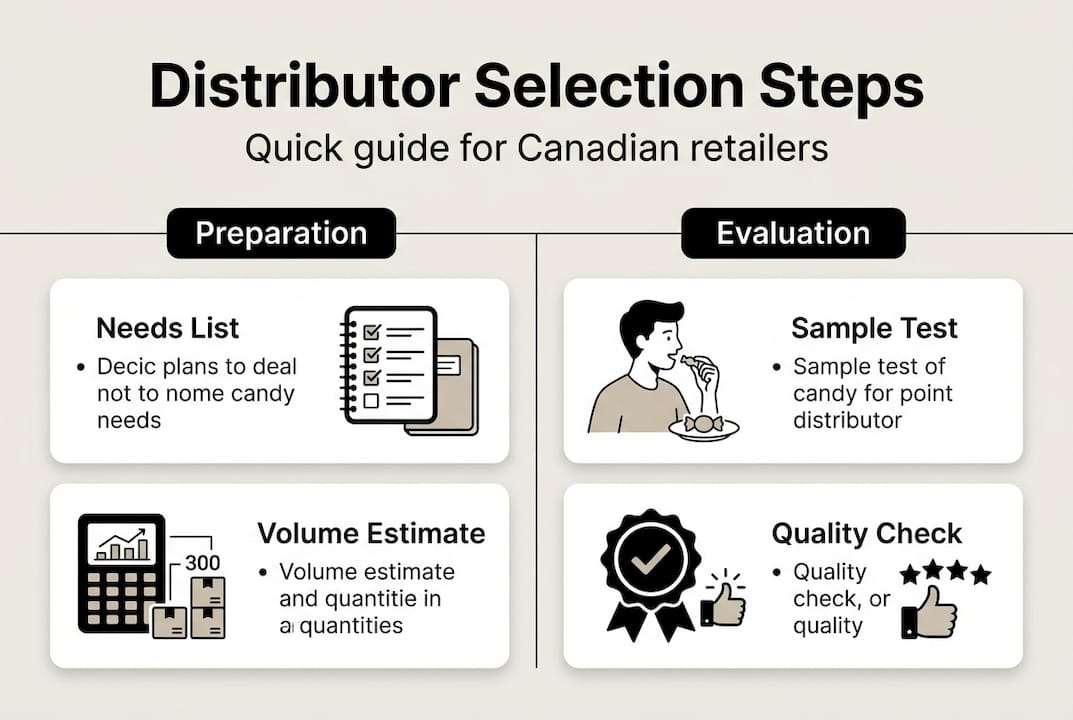
Before you contact any distributor, you must define exactly what your business requires. Start by identifying which candy product types you want to stock, with special attention to freeze-dried varieties that offer unique textures and extended shelf life. Consider whether you need standard branded products or if private labeling services will help differentiate your brand in a competitive market.
Your volume requirements directly impact which distributors can serve you effectively. Calculate your expected order frequency, minimum quantities per order, and seasonal fluctuation patterns. Some distributors specialize in high-volume wholesale while others accommodate smaller retailers with flexible minimums. Understanding your capacity helps you avoid partnerships with incompatible order requirements.
Logistical constraints shape your distributor options significantly. Evaluate your storage capabilities for temperature-sensitive products, delivery timeframes that work with your inventory turnover, and shipping costs relative to your margins. Freeze-dried candy requires specific handling to maintain quality, so ensure potential distributors understand these requirements. Your budget parameters must account for product costs, shipping fees, minimum order values, and any setup costs for private labeling or custom packaging.
Quality expectations deserve careful consideration upfront. Define your standards for product freshness, packaging integrity, ingredient transparency, and compliance with Canadian food safety regulations. Properly defining product and service needs improves distributor selection success by creating clear benchmarks for comparison.
Pro Tip: Create a detailed requirements document listing your product specifications, volume needs, quality standards, and logistical constraints. Share this document with potential distributors to quickly identify which ones can meet your needs and eliminate mismatches early in the evaluation process.
Step-by-step process for evaluating and selecting candy distributors
Begin your evaluation by researching distributors who specialize in your target product categories. Look specifically for those with proven expertise in freeze-dried candy manufacturing and distribution, as this niche requires specialized knowledge about moisture control, packaging, and storage. Review their product catalogs to confirm they offer the variety and innovation your customers expect.

Request product samples from your shortlisted distributors. Evaluate taste, texture, packaging quality, and ingredient lists against your standards. Pay attention to how freeze-dried products maintain their integrity during shipping. This hands-on assessment reveals quality levels that specifications alone cannot convey. Compare samples side by side to identify clear winners.
Investigate each distributor’s private label and co-packing capabilities if brand differentiation matters to your strategy. Ask about minimum order quantities for custom packaging, lead times for design and production, and flexibility for recipe modifications or seasonal variations. Some distributors offer turnkey solutions while others require you to manage more of the branding process yourself.
Analyze pricing structures carefully across your shortlist. Request detailed quotes that break down product costs, shipping fees, payment terms, and volume discount thresholds. Calculate your true cost per unit including all fees to make accurate comparisons. A systematic evaluation leads to improved distributor partnerships and supply reliability.
Verify shipping methods and delivery reliability by asking about typical lead times, order tracking systems, and their process for handling delays or damaged shipments. Reliable distributors provide transparent communication about inventory availability and proactive updates when issues arise. Request references from current clients to validate their claims about service levels.
Confirm that distributors hold necessary certifications and comply with Canadian food safety regulations. Check for Safe Food for Canadians Regulations compliance, proper licensing, and quality management systems. Request documentation of their food safety protocols, especially for handling and storing freeze-dried products that require moisture control.
Pro Tip: Build a comparison spreadsheet with columns for each evaluation criterion and rows for each distributor. Assign numerical scores or ratings to create objective rankings that remove emotional decision making from the process.
| Evaluation Criteria | Distributor A | Distributor B | Distributor C |
|---|---|---|---|
| Product quality score | 8/10 | 9/10 | 7/10 |
| Pricing competitiveness | High | Medium | High |
| Private label flexibility | Limited | Extensive | Moderate |
| Delivery reliability | 95% on time | 98% on time | 90% on time |
| Minimum order value | $500 | $1,000 | $300 |
| Lead time (days) | 5-7 | 3-5 | 7-10 |
Common challenges and mistakes when selecting candy distributors and how to avoid them
Many retailers rush into distributor agreements without conducting thorough due diligence. The pressure to launch products or fill inventory gaps leads to hasty decisions that create long-term problems. Take time to complete your evaluation process even when facing tight deadlines. A few extra weeks of research prevents months of supply chain headaches.
Ignoring the specific storage and handling requirements for freeze-dried candy creates quality problems that damage your reputation. Freeze-dried products need protection from moisture and temperature fluctuations to maintain their signature crunch and extended shelf life. Verify that distributors understand these requirements and have appropriate facilities and shipping methods. Ask detailed questions about their storage conditions and packaging materials.
Underestimating the complexity and costs of private labeling leads to budget overruns and timeline delays. Many retailers assume private label services are simple add-ons without recognizing the design work, minimum quantities, setup fees, and extended lead times involved. Request comprehensive quotes that include all costs and realistic timelines before committing. Awareness of common mistakes reduces risks and strengthens distributor relationships.
Overlooking distributor responsiveness and communication quality causes frustration when issues arise. A distributor might offer great pricing but fail to respond promptly to questions or provide order updates. Test their communication during the evaluation phase by asking detailed questions and noting response times. Slow or vague responses during courtship indicate worse service after you sign.
Prioritizing short-term cost savings over long-term partnership potential creates instability in your supply chain. The cheapest option often comes with hidden costs like inconsistent quality, unreliable delivery, or poor customer service. Consider the total value proposition including reliability, flexibility, and growth potential.
“Choosing distributors without verifying credentials often leads to supply issues that disrupt business operations and erode customer trust.”
- Verify all certifications and licenses before signing contracts
- Request and actually contact client references to validate claims
- Review contract terms carefully for hidden fees or restrictive clauses
- Establish clear performance expectations and communication protocols upfront
- Build relationships with backup distributors to mitigate supply disruption risks
Verifying distributor performance and ensuring long-term success
Establishing clear performance metrics from the start creates accountability and provides objective measures for evaluating your distributor relationship. Define specific benchmarks for delivery accuracy, order fulfillment speed, product quality consistency, and communication responsiveness. Document these expectations in your agreement and schedule regular review periods to assess performance against these standards.
Conduct quarterly or semi-annual performance reviews that examine multiple dimensions of your distributor relationship. Track on-time delivery rates, order accuracy percentages, product quality incidents, and response times to inquiries or issues. Compare current performance against baseline metrics from your initial agreement. Continuous verification and strong partnerships improve supply consistency and product success.
Develop contingency plans for potential supply disruptions before problems occur. Identify backup distributors who can provide emergency inventory if your primary partner faces production issues or delivery delays. Maintain safety stock levels appropriate to your sales velocity and lead times. Document your distributor’s business continuity plans and understand their backup systems for critical situations.
Foster open communication by scheduling regular check-ins beyond order placement and problem resolution. Share your sales data, customer feedback, and growth plans so your distributor can anticipate your needs and suggest relevant products or services. Strong partnerships emerge when both parties invest in mutual success rather than treating the relationship as purely transactional.
Explore opportunities to deepen your partnership as your business grows. Discuss exclusive product arrangements, co-marketing initiatives, or expanded private label programs that benefit both parties. Distributors often provide preferential pricing or service levels to clients who demonstrate loyalty and growth potential.
| Performance Indicator | Target Benchmark | Review Frequency | Action If Below Target |
|---|---|---|---|
| On-time delivery rate | 95% or higher | Monthly | Discuss root causes and improvement plan |
| Order accuracy | 98% or higher | Monthly | Review picking and packing processes |
| Product quality issues | Less than 2% of orders | Quarterly | Investigate quality control procedures |
| Response time to inquiries | Within 24 hours | Monthly | Escalate to account manager |
| Invoice accuracy | 99% or higher | Monthly | Review billing processes and systems |
| Product availability | 90% in-stock rate | Weekly | Discuss forecasting and inventory planning |
- Document all performance data systematically for trend analysis
- Address small issues promptly before they become major problems
- Recognize and acknowledge strong performance to reinforce positive behaviors
- Renegotiate terms periodically as your volume and relationship value increase
- Stay informed about industry trends that might affect your distributor’s capabilities
Enhance your candy offerings with Spaceman’s private label and freeze dried candy solutions
After learning how to evaluate and select candy distributors, you need a partner who delivers on all the criteria covered in this guide. Spaceman specializes in freeze-dried candy manufacturing and distribution throughout Canada, offering the expertise and flexibility Canadian retailers require. Our comprehensive private label and co-packing services let you build your brand identity while we handle production, packaging, and quality control.
We provide ready-to-sell solutions like our freeze-dried candy wholesale display kit that includes 72 bags in an attractive retail display, perfect for launching your freeze-dried candy program quickly. Our 10-pack bundle options come with bonuses and free shipping to help you test products or expand your inventory efficiently. Partner with a distributor who understands your business challenges and provides the products, services, and support you need to succeed.
FAQ
What types of candy should I consider for private labeling?
Freeze-dried candies, gummies, and chocolates represent the most popular categories for private labeling due to their strong consumer appeal and branding potential. Freeze-dried varieties offer unique textures and longer shelf life that differentiate your brand from competitors. Focus on products with proven demand in your market while considering seasonal opportunities and trending flavors that align with your brand identity.
How do I assess a candy distributor’s reliability?
Check online reviews and testimonials from current clients to identify patterns in service quality and common complaints. Request references directly from the distributor and actually contact those references to ask specific questions about delivery consistency, communication responsiveness, and problem resolution. Evaluate their order tracking systems and ask about their average on-time delivery rates with supporting data.
What are the key benefits of freeze-dried candy for retailers?
Freeze-dried candy provides significantly longer shelf life compared to traditional candy, reducing waste and inventory management challenges. The unique crunchy texture and intensified flavors create memorable eating experiences that drive customer interest and repeat purchases. Growing consumer curiosity about freeze-dried products creates natural marketing opportunities and positions your store as innovative and trend-aware.
Can I change private labeling options after signing with a distributor?
Many distributors allow modifications to packaging designs, product selections, or order quantities after your initial agreement, but terms vary significantly between providers. Confirm flexibility policies upfront and get them documented in your contract to avoid disputes later. Expect additional setup fees or minimum order adjustments when making changes, especially for custom packaging or new product formulations that require production line modifications.